Horse Saddle: 5 Essential Spring Fit Checks After Winter
As winter fades and riding season approaches, spring is the perfect time to reassess your horse saddle before swinging back into regular work. Months of reduced riding, changes in your horse’s body, and time spent in storage can all impact how a horse saddle fits and performs. A saddle that felt perfect in the fall may not be ideal come spring, and overlooking fit issues can lead to discomfort, poor performance, or even injury.
Before your first serious ride of the season, a thoughtful saddle check helps ensure both you and your horse start strong.
Why Horse Saddle Fit Changes Over Winter
Winter brings natural shifts to a horse’s body. Reduced exercise, changes in diet, and limited turnout can alter muscle tone and weight distribution. Some horses lose topline muscle, while others gain weight, especially through the shoulders and back. These changes directly impact how a horse saddle sits on the horse’s back.
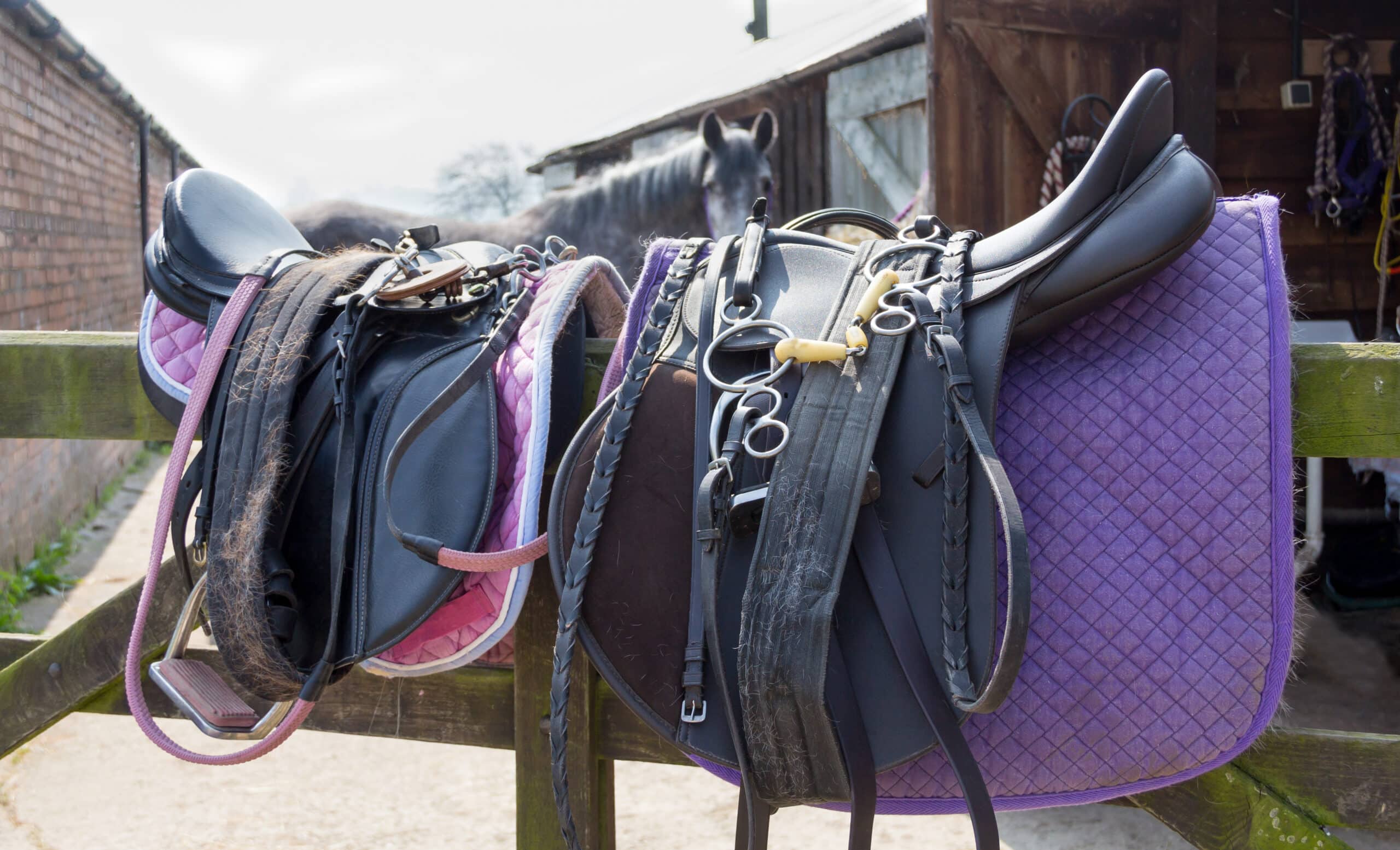
In addition, your horse’s saddle itself may change slightly during storage. Leather can dry out, flocking can settle unevenly, and tree pressure points may become more noticeable once riding resumes. Even when stored carefully, months of inactivity can make subtle fit issues more apparent in the springtime.
Early Signs Your Horse Saddle May Not Fit
Before mounting up, take a few minutes to visually inspect how your horse’s saddle sits on your horse. Look for uneven contact along the panels, bridging through the middle, or excessive pressure at the withers or loins. A saddle that tips forward or backward is another common sign of fit changes.
Once riding begins, behavioral clues matter. Resistance during mounting, shortened strides, ear pinning, hollowing the back, or uneven sweat patterns can all point to horse saddle discomfort. Catching these signs early helps prevent soreness and long term problems.
How to Assess Horse Saddle Fit This Spring
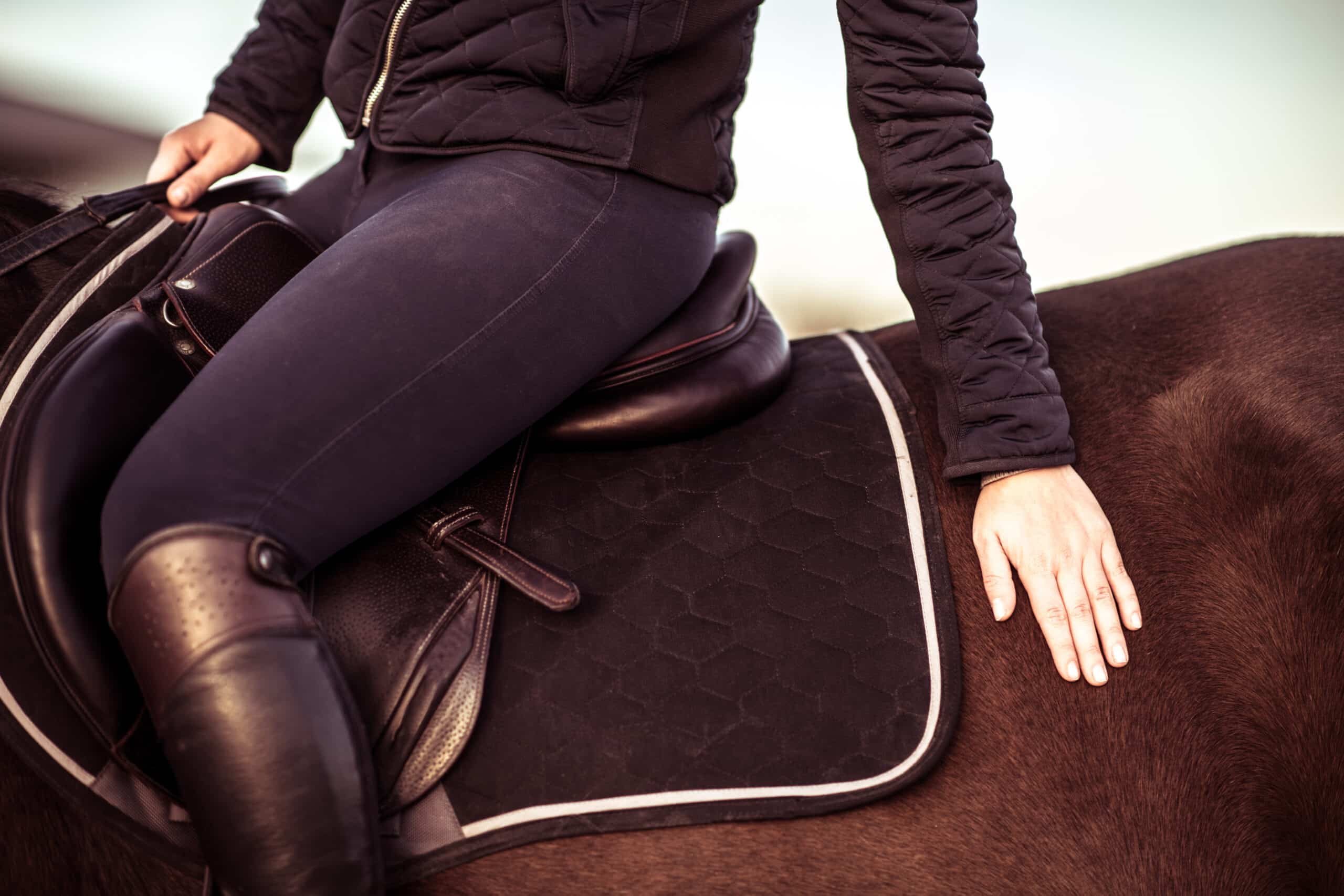
Start by placing your horse saddle on your horse without pads or girths. It should sit level, centered, and balanced. Check that there is adequate clearance over and around the withers and along the spine. Slide your hand under the panels to feel for even pressure from front to back.
Next, add your usual pad and girth, then reassess. Pads that worked in fall may need adjustment if your horse’s shape has changed. During a short test ride, pay attention to how the horse saddle feels beneath you. A well-fitting saddle promotes balance and allows your horse to move freely through the shoulders and back.
If anything feels off, it is better to pause riding and address fit concerns rather than pushing through discomfort.

Adjusting After Winter Rest
Sometimes, small adjustments make a big difference. Changing pad thickness, using shims, or adjusting flocking can help fine tune horse saddle fit without replacing the saddle entirely. However, these solutions should support correct fit, not mask major problems.
In cases where a horse has changed significantly, a professional saddle fitting evaluation is worth considering. An experienced fitter can determine whether your horse’s saddle still suits your horse’s current shape or if a different size or style is needed for the season ahead.
Caring for Your Horse Saddle Before Spring Riding
Spring prep is also a great time to refresh the saddle itself. Clean and condition the leather to restore flexibility after winter storage. Inspect stitching, billets, girth straps, and hardware for wear or cracking. Addressing small issues now helps extend the life of your saddle and keeps it safe for regular use.
Proper care helps your horse saddle perform as intended and supports a consistent fit for the duration of the riding season.
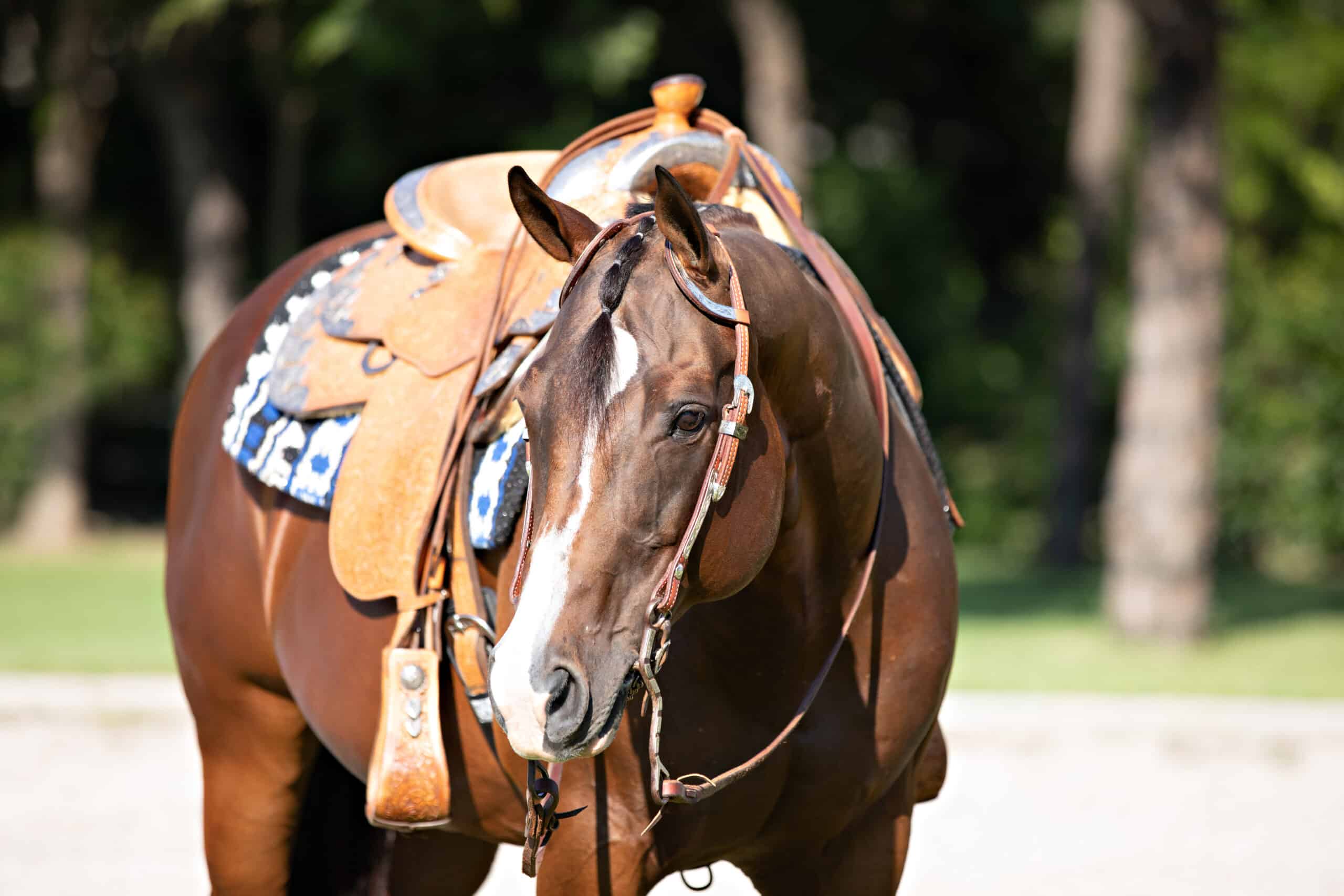
Where to Find Help and Expertise
Choosing, fitting, and maintaining a horse saddle can feel overwhelming, especially after winter changes. This is where knowledgeable support makes a difference. The Trainer’s Loft offers a wide selection of quality saddles and accessories, along with experienced guidance to help riders navigate seasonal saddle fit concerns. Whether you are reassessing your current horse saddle, exploring adjustment options, or considering a new fit altogether, our team understands the realities of spring riding and the importance of comfort for both horse and rider.
Spring is a season of renewal, and that applies to your tack as much as your riding routine. Taking time to evaluate your horse saddle after winter rest sets the foundation for a safe, comfortable, and successful season in the saddle.