Parts of a Western Saddle: 10 Must-Know Parts for Riders
If you are new to Western riding or simply want to better understand your tack, learning the parts of a western saddle can help you become a more informed horse owner. Every component has a purpose, from providing stability and rider comfort, to helping distribute weight across the horse’s back.
Western saddles were traditionally designed to meet the demands of riders spending long hours working on horseback. Today’s saddles come in many styles for trail riding, ranch work, barrel racing, roping, showing, and recreational riding – but their basic construction shares many common features.
Understanding the parts of a western saddle can also make it easier to compare saddles, discuss fit, maintain your tack, and recognize when a component needs attention. Use this guide as an introduction to Western saddle anatomy and the functions of each major component.
What Are the Main Parts of a Western Saddle?
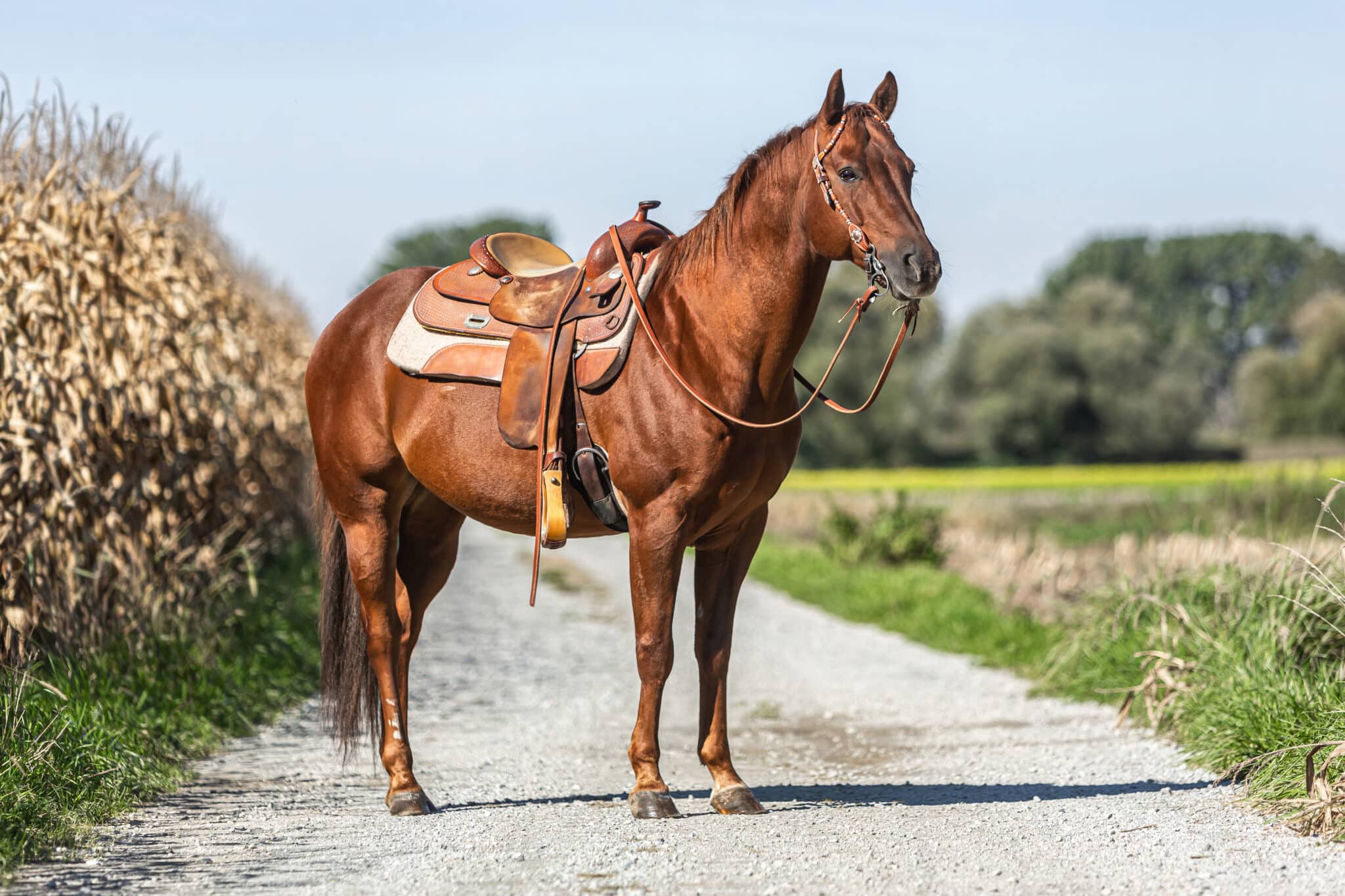
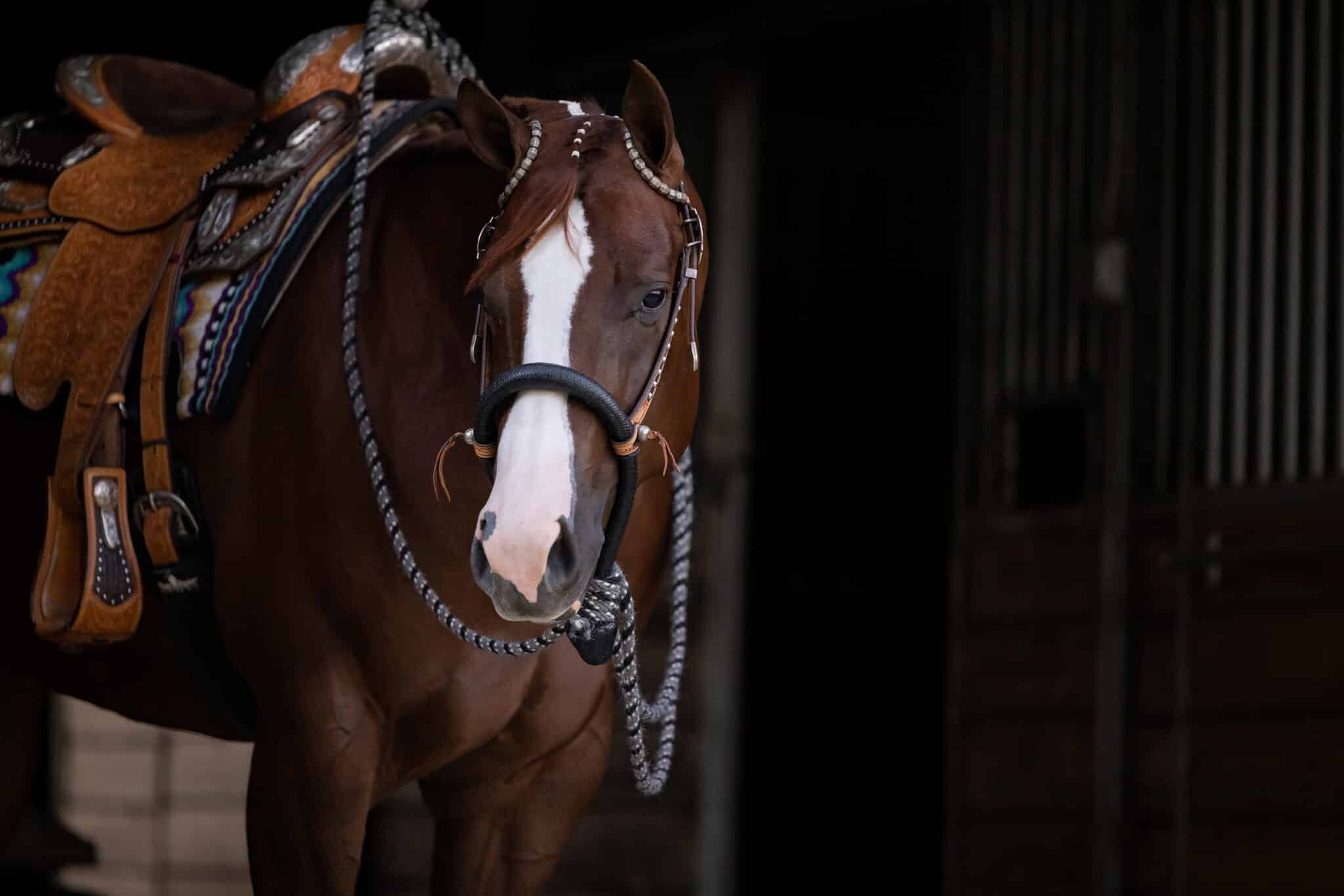
Although designs vary, the major western saddle parts include the tree, horn, swell or pommel, seat, cantle, skirts, rigging, fenders, stirrups, and several smaller pieces that work together.
Some components are easy to see, while others form the internal structure of the saddle. Understanding both is important when learning the parts of a horse saddle.
Western Saddle Tree
The tree forms the foundation of the saddle. Many of the visible parts of a Western saddle are constructed around it.
Its shape helps determine how the saddle sits on the horse and how the rider’s weight is distributed. Because horses vary in shape, tree characteristics are an important factor when evaluating saddle fit.
A saddle that does not fit properly can create pressure points and discomfort, which is why appearance or seat size alone should never determine whether a particular saddle is appropriate for a horse.
Horn
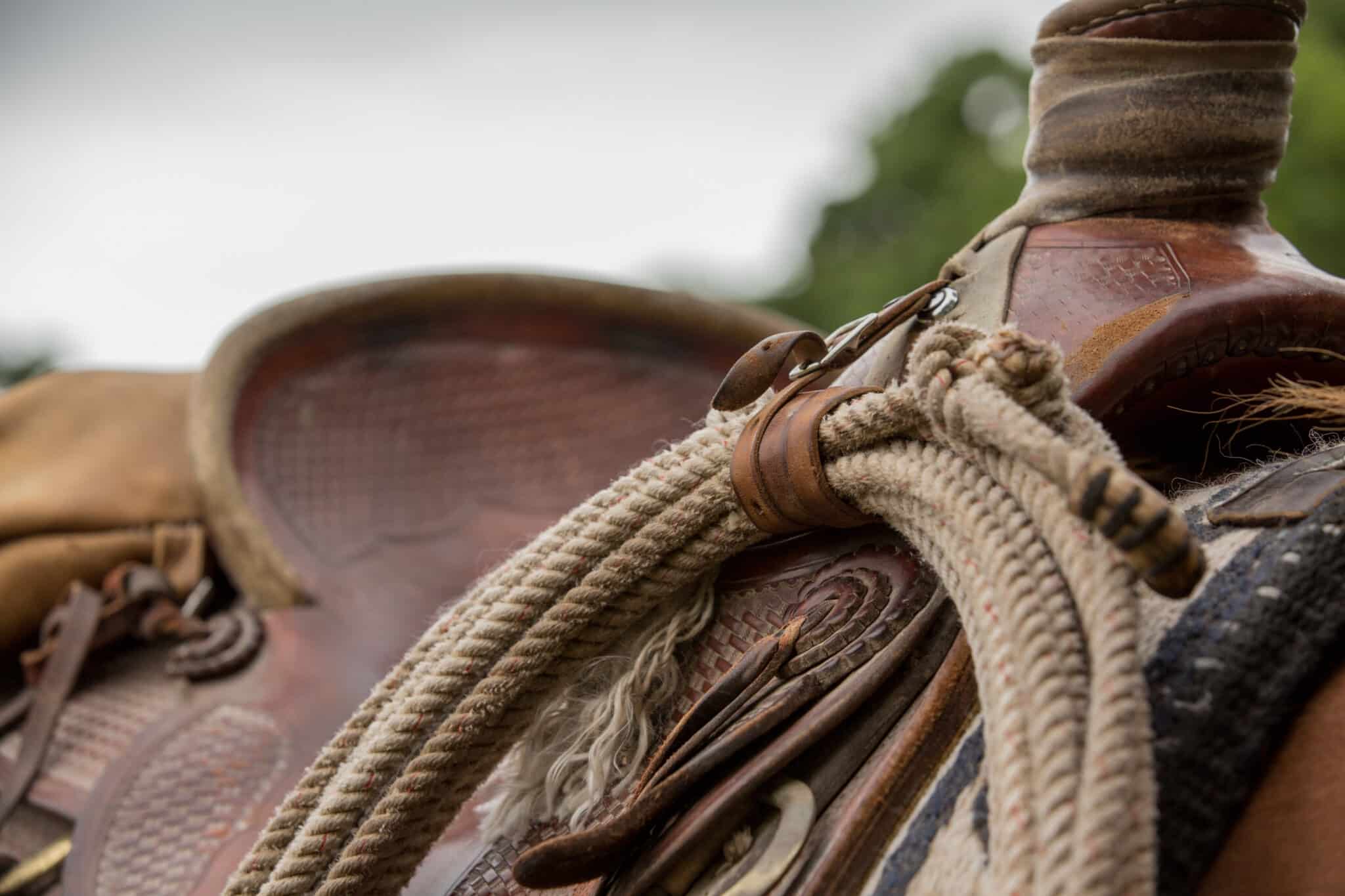
The horn is one of the most recognizable features of Western saddle anatomy. It projects upwards from the front of the saddle.
Historically, the horn became especially important for working cattle because a rope could be secured around it during roping. Although many recreational riders never use their saddle horn for that purpose, it remains a defining feature of most Western saddle designs.
Horn use, size, shape, and construction can vary depending on the saddle’s intended discipline.
Swell or Pommel
The swell is the raised front portion of the saddle beneath the horn. You may also hear this area referred to as the pommel or fork.
The swell helps create the shape of the front of the rider’s seat and is another easily identifiable feature when studying the parts of a Western saddle.
Different saddle styles can have noticeably different swell shapes and widths.
Seat
The seat is where the rider sits and is one of the most important areas for rider comfort and positioning.
Western saddle seats are available in different sizes, shapes, depths, and materials. Seat design may vary according to the saddle’s intended use and the rider’s preferences.
When selecting a saddle, both horse fit and rider fit matter. A properly fitted saddle should work for the horse while allowing the rider to maintain an appropriate, balanced position.
Cantle
At the rear of the seat is the cantle. This raised section provides structure behind the rider and helps define the depth and shape of the saddle seat.
Cantles vary in height, angle, and style. Looking at a Western saddle diagram, you will typically find the cantle labeled prominently at the back of the saddle.
Saddle Skirts
The skirts are the broad sections located underneath the seat on either side of the saddle. They help distribute pressure over a larger area and provide a barrier between other saddle components and the horse.
Skirts can vary in length and shape. Round-skirt saddles, for example, may be preferred for certain horses or riding situations, while other Western saddles feature more traditional square skirts.
The skirts are among the parts of a Western saddle owners should routinely inspect for condition and cleanliness.
Rigging, Cinch, and Latigo
The rigging system helps secure the saddle to the horse.
Depending on the saddle, rigging hardware may include rings or plates incorporated into the saddle’s construction. The latigo and cinch work with the rigging to hold the saddle in place.
The cinch passes underneath the horse’s barrel, while the latigo is used to connect and adjust the cinch on many Western saddles.
Because these Western saddle parts are directly involved in keeping the saddle secure, inspect them regularly for wear, cracking, damaged stitching, or other signs of deterioration.
Fenders
Fenders are the wide pieces of leather extending downward from the saddle toward the stirrups. They provide a barrier between the rider’s legs and the horse while supporting the stirrup system. Fenders can vary in length, width, shape, and decoration depending on the saddle.
When reviewing Western saddle anatomy, it is helpful to distinguish the fender from the stirrup leather and stirrup itself.
Stirrups
Stirrups support the rider’s feet and play and important role in balance and positioning.
Western stirrups come in different widths, shapes, materials, and styles. Proper stirrup adjustment is important for rider comfort and effective leg position.
When inspecting the parts of a Western saddle, check stirrups and their supporting components for excessive wear or damage.
Other Western Saddle Parts to Know
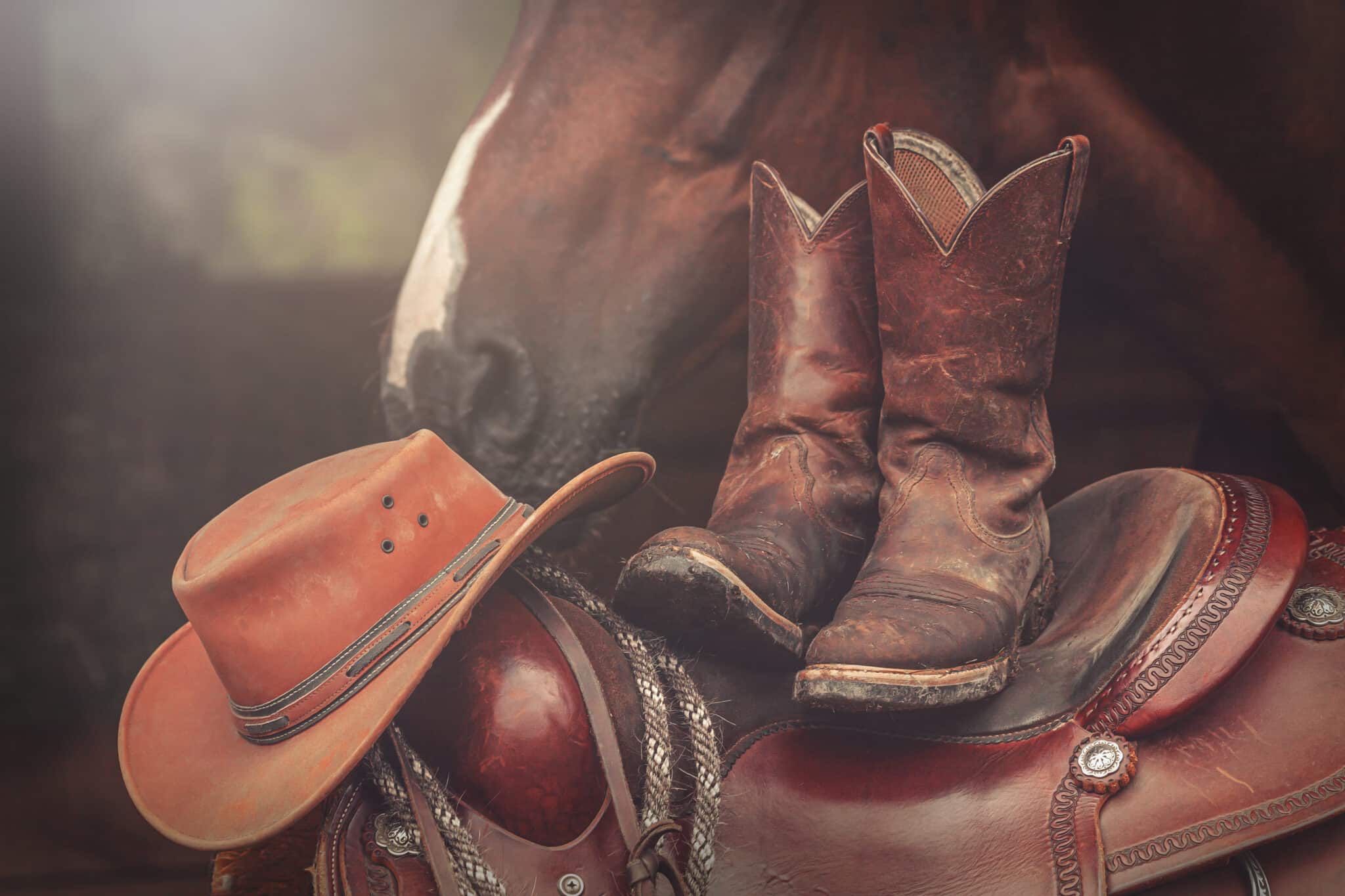
Beyond the major components, several additional pieces may appear on a detailed western saddle diagram.
Saddle Strings
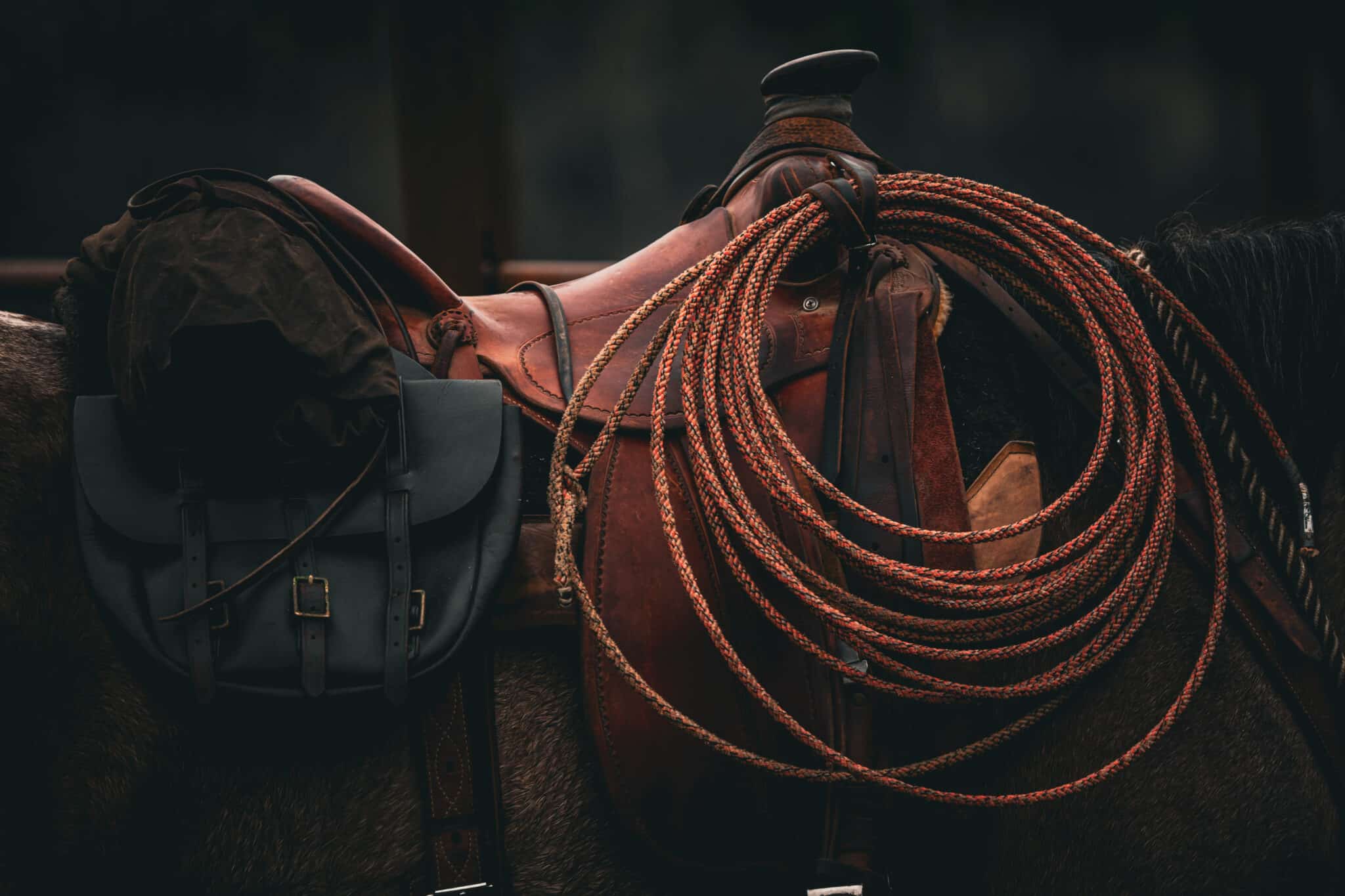
Saddle strings are leather straps attached to various points on some Western saddles. They can be used to secure certain pieces of gear, particularly for trail or ranch riding.
Rear Cinch
Some saddles feature a rear cinch in addition to the primary front cinch. Rear cinches are common on saddles intended for certain types of ranch work and other activities where additional saddle stability may be beneficial.
Conchos
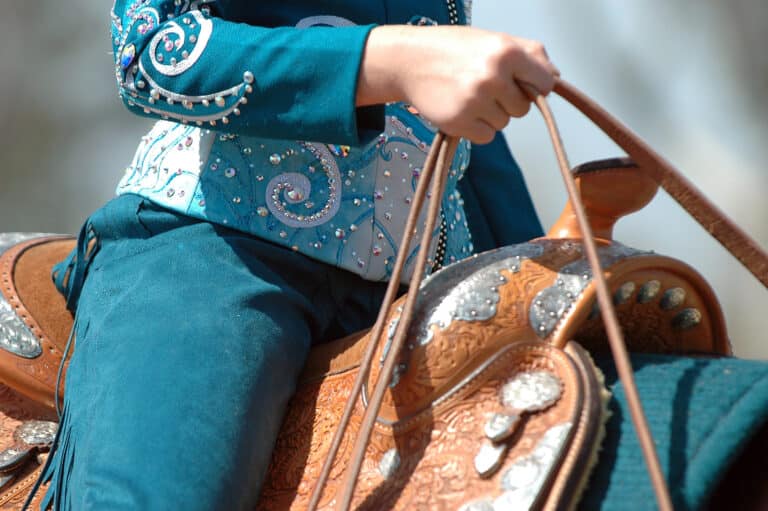
Conchos are decorative pieces that can also serve functional purposes by helping secure saddle strings or leather components. They are available in a wide variety of designs and are a distinctive feature of many Western saddles.
Why Understanding Western Saddle Anatomy Matters
Learning the parts of a Western saddle goes beyond terminology. Knowing how your saddle is constructed makes it easier to maintain your equipment, communicate with tack professionals, and notice potential problems.
Regularly inspect leather, stitching, hardware, rigging, stirrups, and other components. Clean and condition leather according to the manufacturer’s recommendations and address damaged or excessively worn components before riding.
Most importantly, understanding the parts of a Western saddle should accompany broader understanding of saddle fit. Even a high quality saddle may not be suitable for every horse or rider.
Find Western Riding Essentials at The Trainer’s Loft
If you are new to learning about saddle construction or updating your everyday tack, The Trainer’s Loft is a convenient resource for equestrians looking for quality riding and horse care products.
Whether you need Western tack and saddle accessories, grooming supplies, horse care essentials, riding apparel, or barn necessities, The Trainer’s Loft can help riders find practical equipment for both horse and rider. Understanding the parts of a Western saddle can also make it easier to shop confidently and identify the equipment and accessories you need.
Parts of a Western Saddle FAQs
What Are the Most Important Parts of a Western Saddle?
The major components include the tree, horn, swell, seat, cantle, skirts, rigging, fenders, and stirrups. Each contributes to the saddle’s structure, function, rider positioning, or security.
What Is the Tree of a Western Saddle?
The tree is the internal foundation the saddle is built around. Its design influences the saddle’s overall structure and how it fits across a horse’s back.
What is the Horn on a Western Saddle Used For?
The saddle horn has traditional roots in cattle work and roping. Today, the horn remains a recognizable feature of Western saddles even when riders are not using their saddle for roping.
What Are the Flaps on a Western Saddle Called?
The large pieces extending down beneath the rider’s legs are called fenders. They are part of the stirrup system and help protect the rider’s legs.
What Is the Difference Between Cantle and Swell?
The swell is located at the front of the saddle beneath the horn, while the cantle is the raised structure behind the rider’s seat.
Why Should Horse Owners Learn Western Saddle Parts?
Knowing the parts of a Western saddle can make it easier to understand saddle construction, identify worn equipment, discuss saddle fit and repairs, and shop for tack and accessories with greater confidence.