9 Powerful Fly Control for Horses Tips That Actually Work
Summer in New England means longer rides, greener pastures, and more time at the barn. But it also brings one major challenge for horse owners: flies. From biting flies and mosquitoes to gnats and ticks, insects can quickly make horses uncomfortable and stressed. Effective fly control for horses is important for keeping horses healthier, calmer, and more comfortable through the summer months.
Without proper fly management, horses may experience skin irritation, tail rubbing, stomping, weight loss, and difficulty focusing during training or riding. The good news is that there are several practical fly control for horses strategies that can make a noticeable difference. Here are nine powerful tips that actually work.
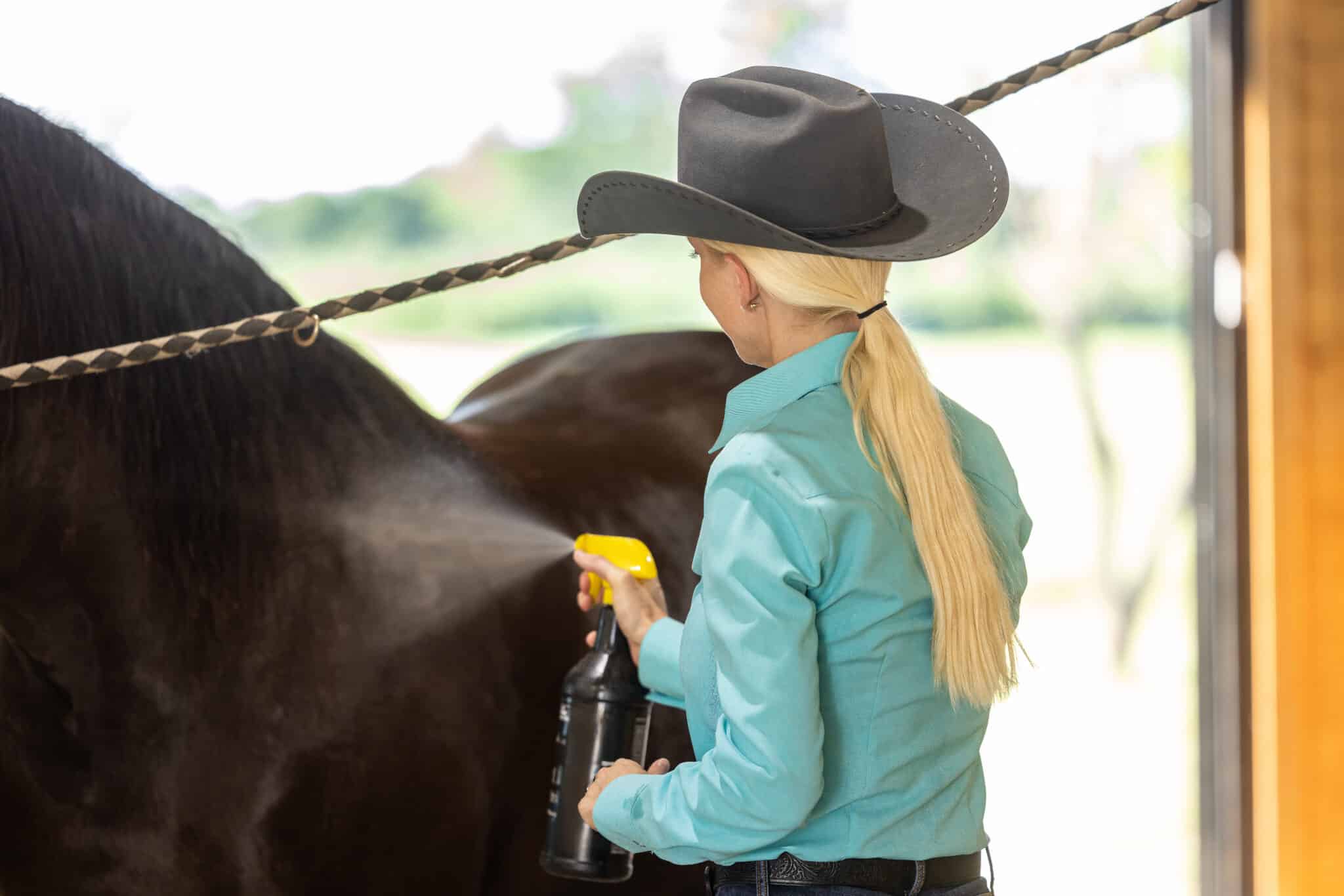
1. Use Fly Spray Consistently
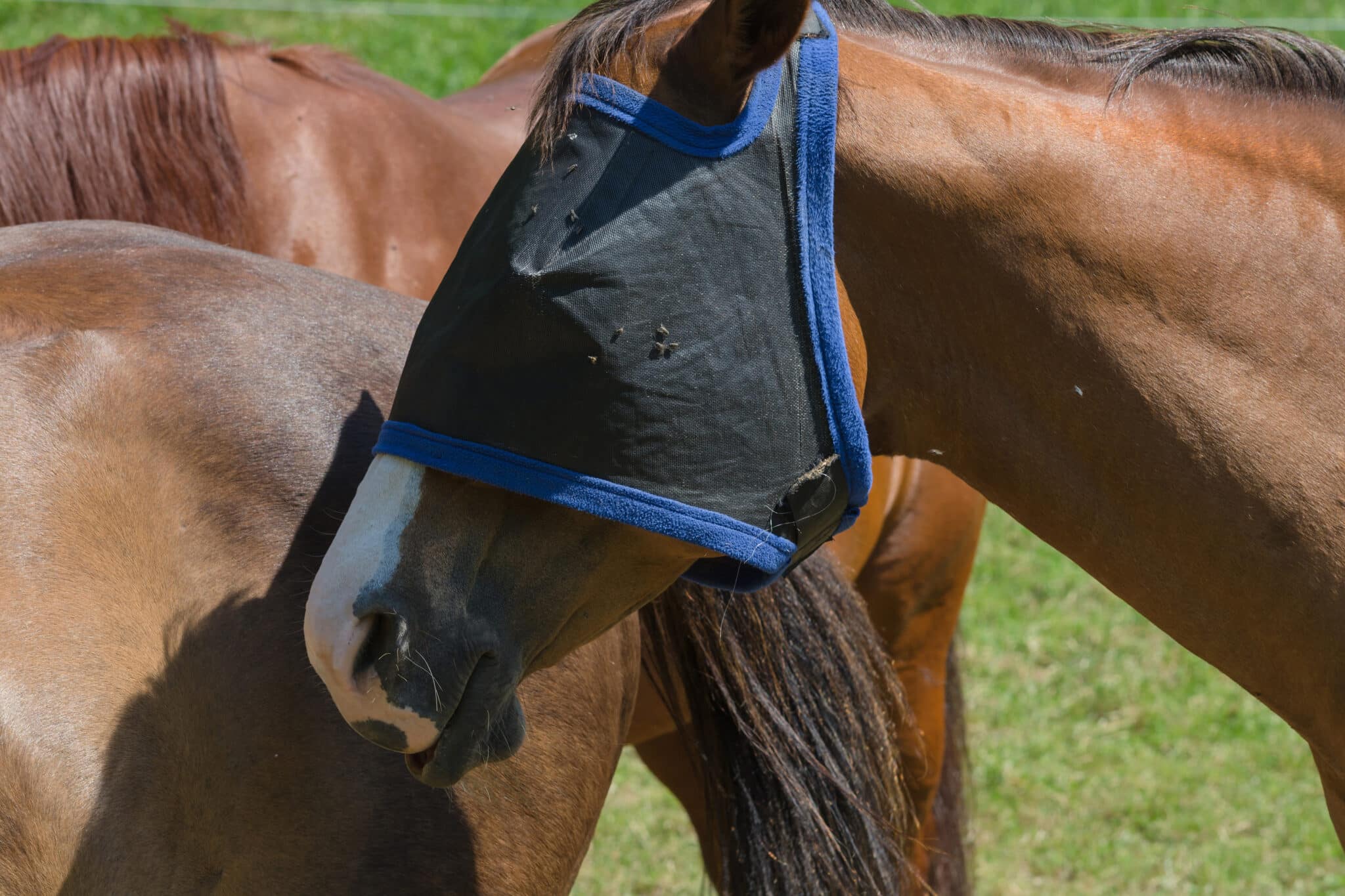
One of the most common methods for fly control for horses is regular use of fly spray. However, consistency matters. Applying fly spray only occasionally often does not provide enough protection during peak bug season.
Choose a fly spray designed for your horse’s environment and activity level. Some formulas are better suited for trail riding, while others are ideal for pasture turnout or sensitive skin.
Tips for Better Fly Spray Results
- Apply before riding or turnout
- Always spot check new sprays for possible sensitivity to ingredients before fully applying over the entire body
- Reapply after heavy sweating or rain
- Avoid spraying near eyes and nostrils
- Rotate products if flies become resistant
Reliable fly control for horses starts with maintaining a regular prevention routine.
2. Keep Stalls and Pastures Clean
Manure and standing water attract flies quickly during warm weather. Good barn management is one of the most effective long-term fly control strategies available. Removing manure regularly helps reduce breeding areas and lowers fly populations around the barn.
Important Barn Maintenance Tips
- Clean stalls daily
- Remove wet bedding
- Empty standing water
- Keep feed areas clean
- Improve airflow in barns
Proper sanitation dramatically improves fly control for horses throughout the summer season.
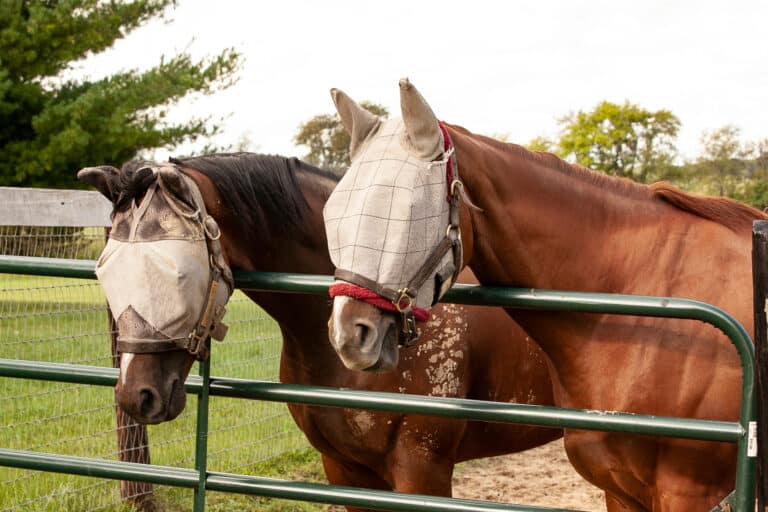
3. Use Fly Masks and Fly Sheets
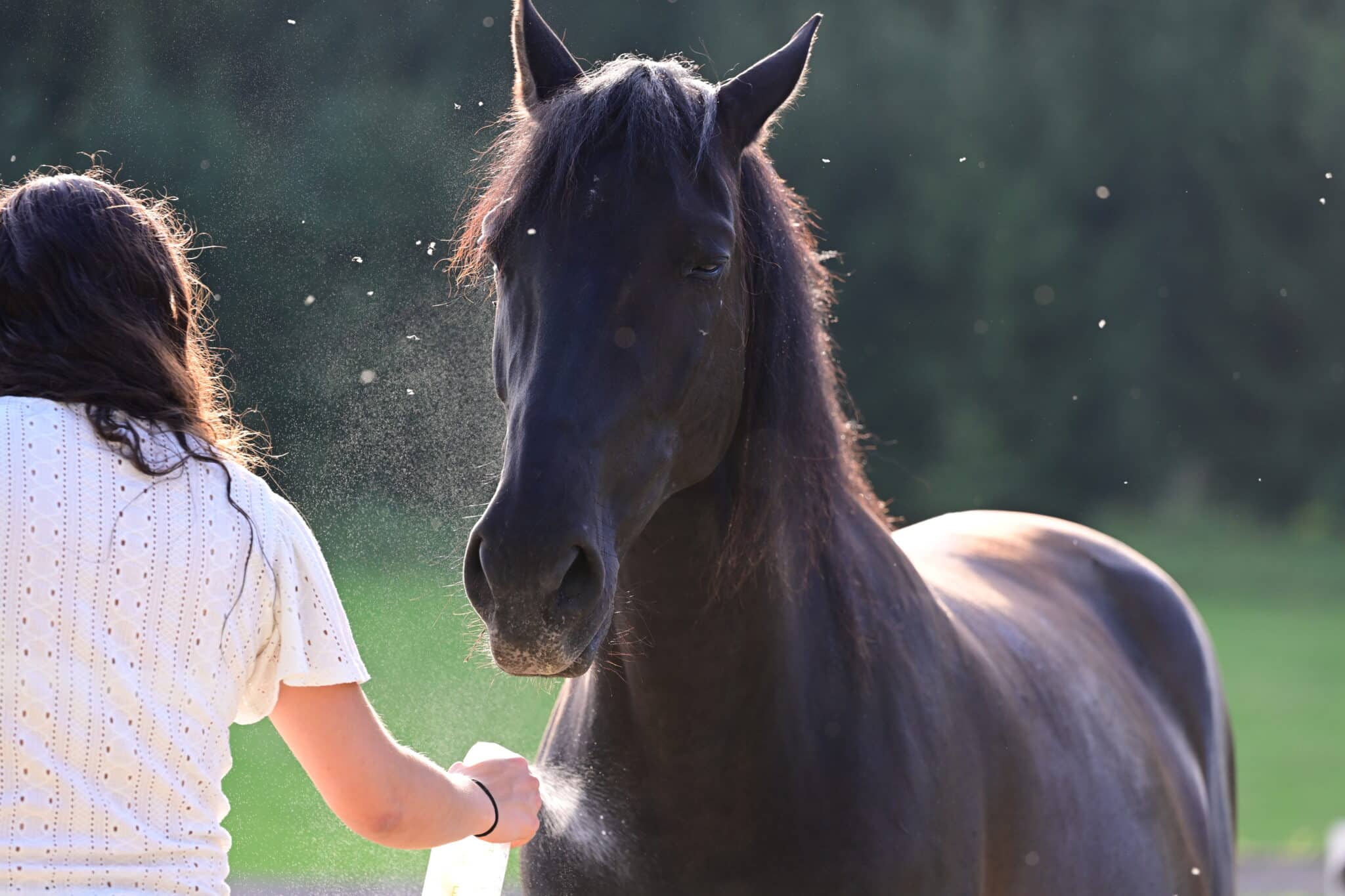
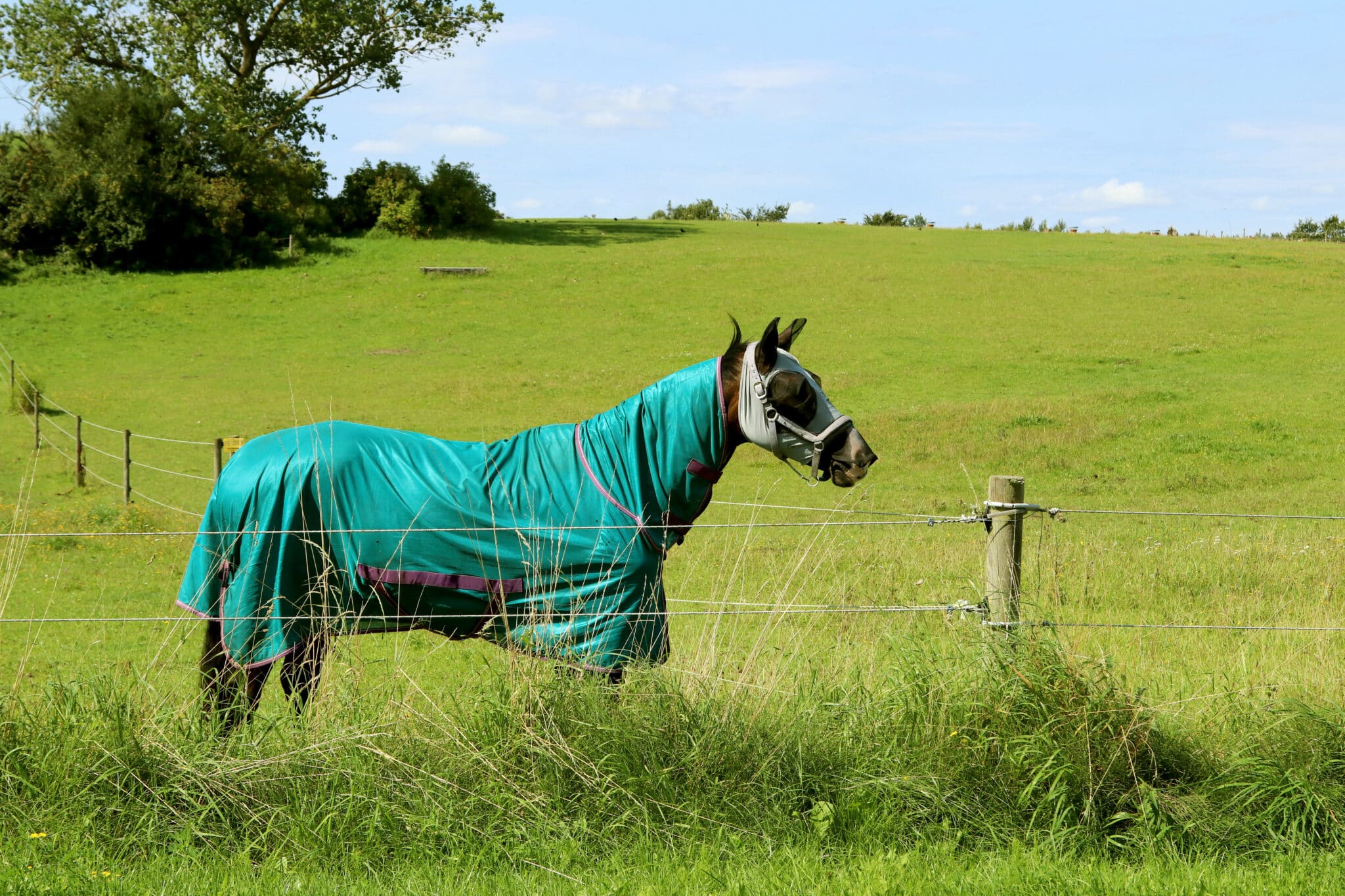
Physical barriers are an excellent addition to any fly control for horses routine. Fly masks help protect sensitive areas around the eyes and ears, while fly sheets provide lightweight coverage against biting insects.
Modern fly gear is designed to remain breathable and comfortable even during humid New England weather. Horses that spend long hours in turnout often benefit significantly from protective fly apparel.
4. Install Fans in Barns
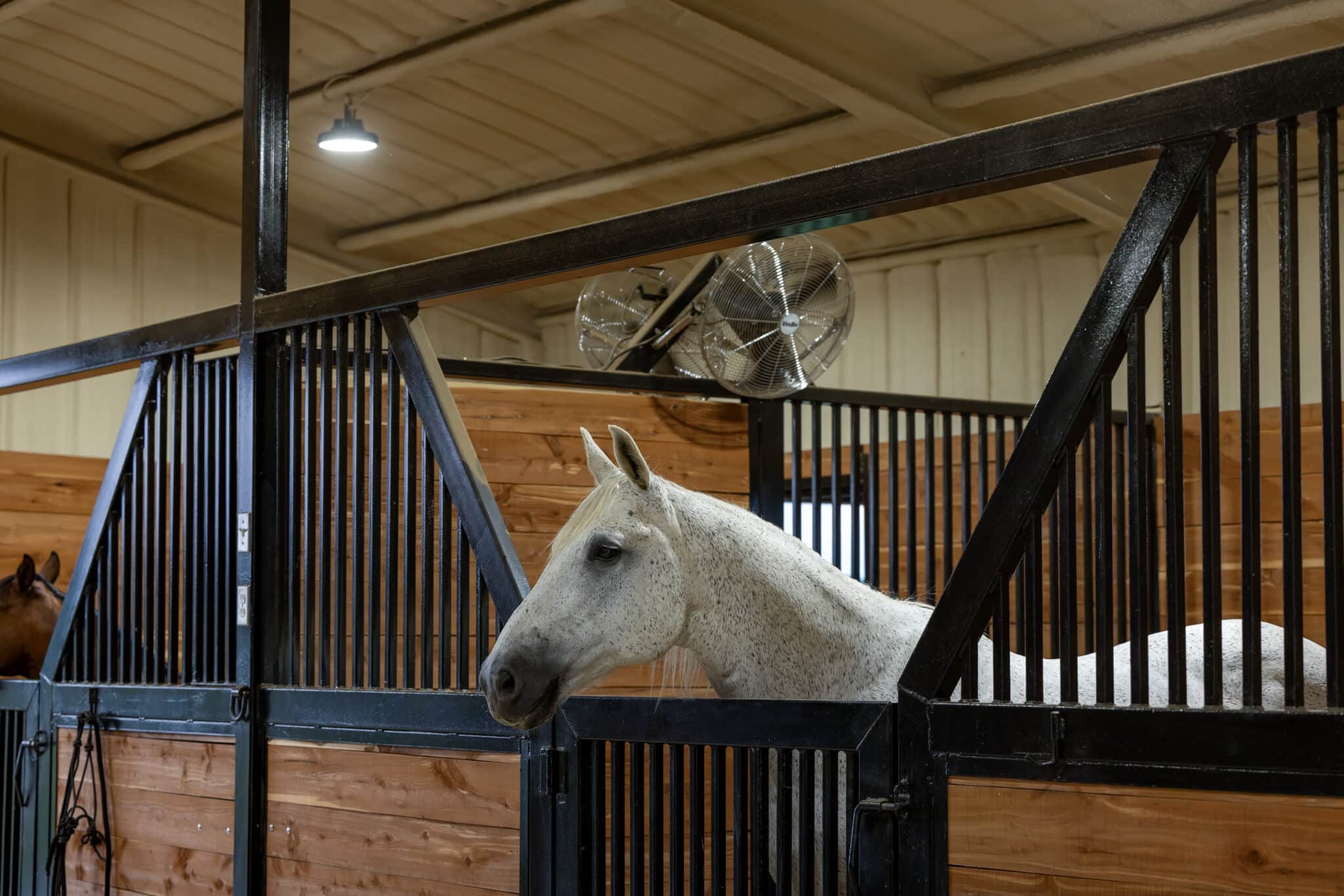
Flies struggle to fly in strong airflow, making fans an effective fly control for horses inside barns and run-in sheds.
Barn fans help:
- Reduce fly activity
- Improve ventilation
- Keep horses cooler
- Reduce moisture buildup
Improved airflow also helps create a more comfortable environment during hot summer afternoons.
5. Manage Turnout Timing
Flies tend to be most active during the hottest parts of the day. Adjusting turnout schedules can help improve fly control for horses naturally.
Many horse owners choose to:
- Turn horses out overnight
- Bring horses inside during peak heat
- Ride early in the morning
- Avoid swampy or wooded areas during high bug activity
Simple schedule adjustments can significantly reduce insect exposure.
6. Add Fly Predators or Traps
Biological and mechanical fly control for horses can help reduce fly populations around barns and paddocks.
Popular Fly Control Options
- Fly traps
- Sticky traps
- Fly predators
- Baited fly stations
These tools help target flies before they become a major issue. Combining traps with proper manure management creates stronger overall fly control for horses.
7. Support Skin and Coat Health
Healthy skin can help horses better tolerate summer conditions and minor insect irritation. Nutrition also plays a role in effective fly control for horses.
Omega fatty acids, proper hydration, and balanced nutrition may help support healthier skin and coats during fly season. Some horse owners also use supplements designed to support skin condition and natural insect resistance.
8. Keep Riding Gear Clean
Sweaty tack and dirty riding equipment can attract insects and irritate horses during summer rides. Cleaning tack regularly is an often overlooked part of fly control.
Gear to Clean Regularly
- Saddle pads
- Girths
- Fly boots
- Halters
- Fly masks
Clean horse riding equipment helps horses stay more comfortable while reducing skin irritation during hot weather.
9. Combine Multiple Fly Control Strategies
The best fly control for horses uses multiple layers of protection rather than relying on one product alone. Flies can adapt quickly, especially during humid New England summers.
Combining fly sprays, barn management, protective gear, fans, and turnout adjustments creates a more effective and reliable system for controlling insects.
Consistency is key to successful fly control for horses during the summer riding season.
Stay Ready for Fly Season with The Trainer’s Loft
Summer riding is much more enjoyable when horses are comfortable and protected from biting insects. Effective fly control for horses helps reduce stress, improve comfort, and supports better riding experiences all season long. Whether you need fly spray, fly masks, tack, riding gear, or summer horse care essentials, The Trainer’s Loft offers products to keep riders and horses stay comfortable this summer.