Horse Hoof Care: 7 Essential Tips for Seasonal Changes
September brings changing conditions for horses across New Hampshire and New England. Dry summer ground can quickly give way to cooler temperatures, increased rainfall, and muddy paddocks. These changes make horse hoof care especially important as horses transition into fall.
Fluctuations between wet and dry conditions can contribute to brittle hooves and cracking, while wet, dirty environments can increase the risk of problems such as thrush. A consistent hoof care routine can help owners identify changes early and keep their horses comfortable as seasons shift.
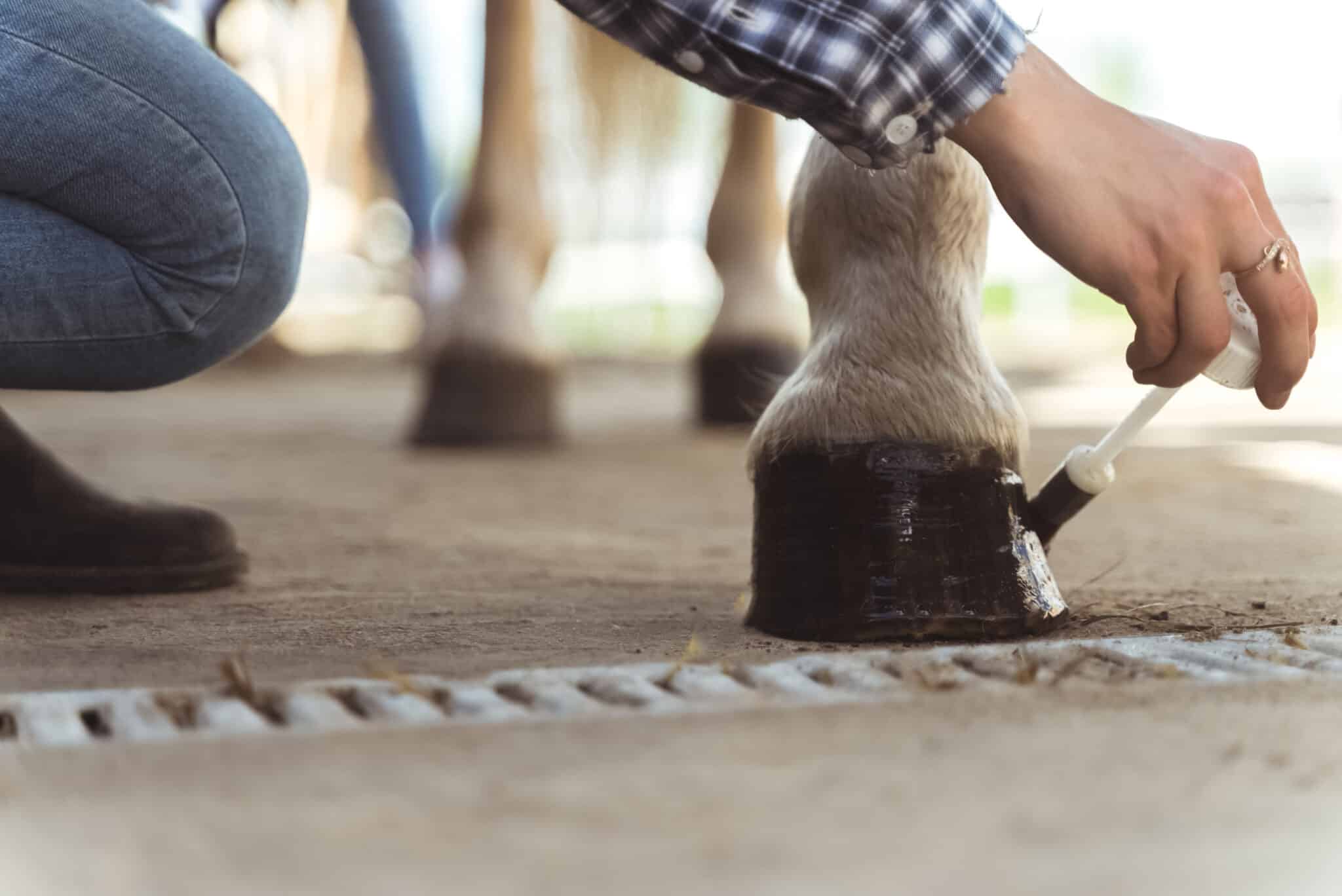
1. Pick Your Horse’s Hooves Daily
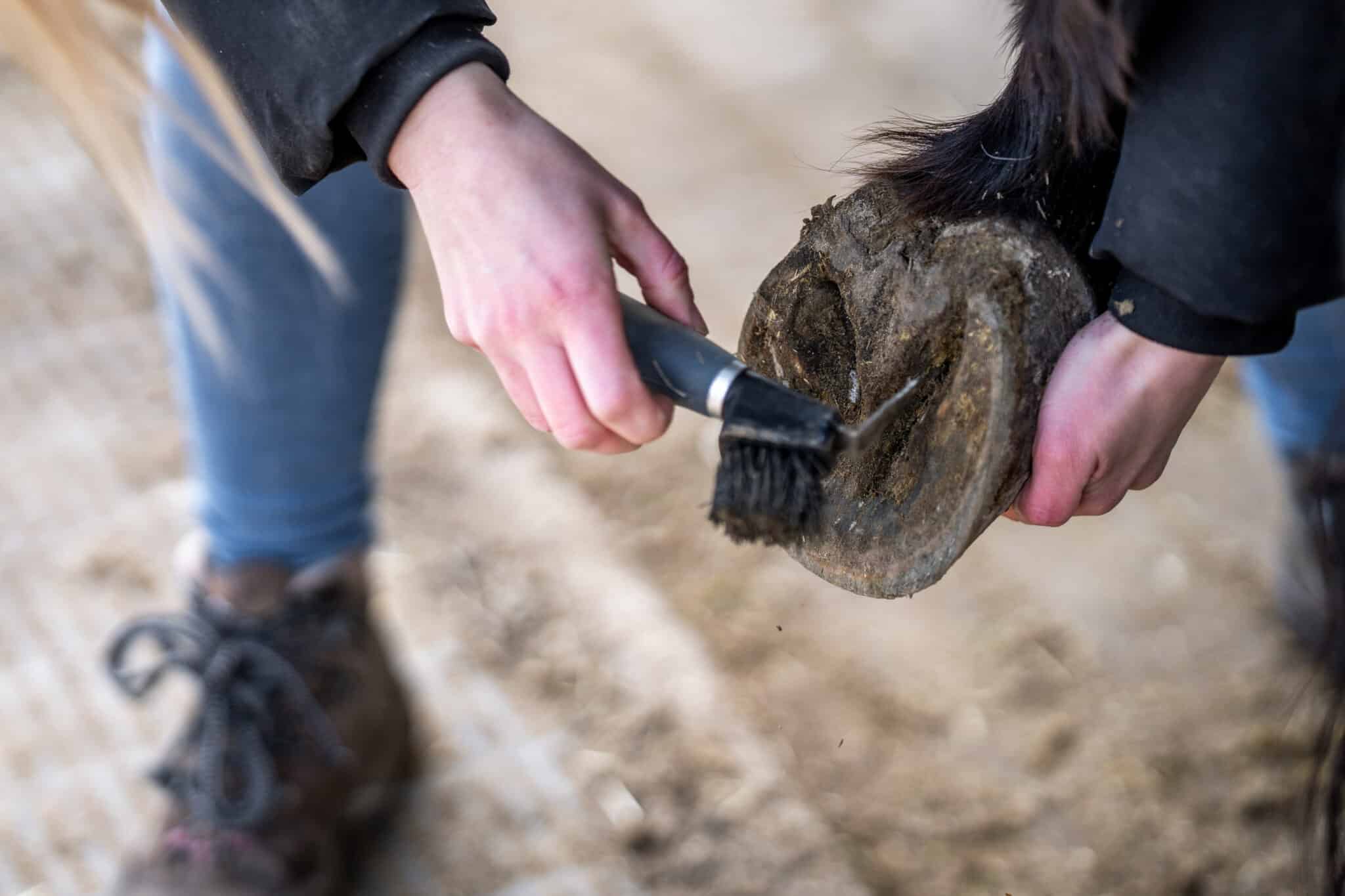
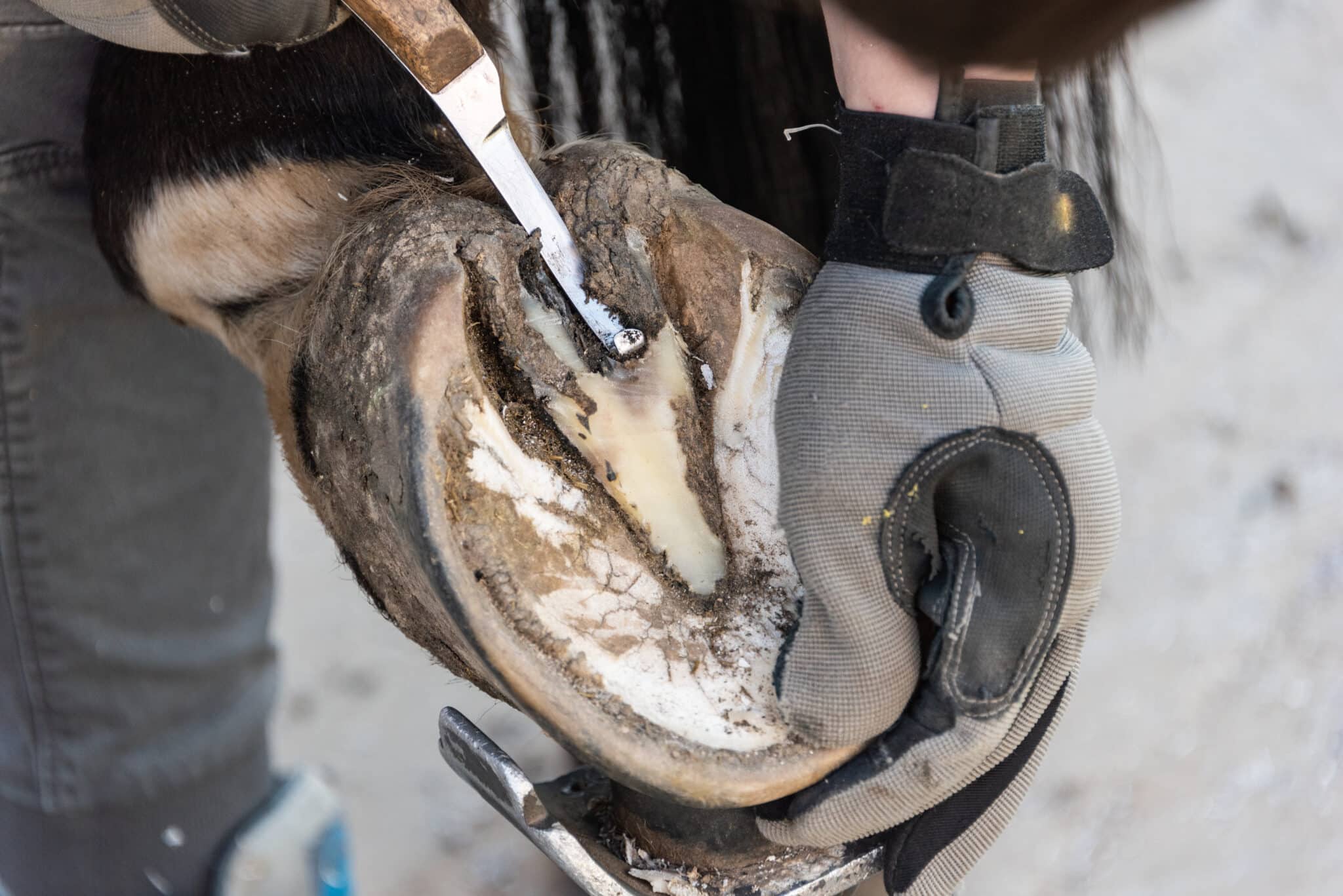
University of Minnesota extension recommends picking out each hoof daily. Daily hoof picking is one of the simplest components of effective horse hoof care. Remove packed dirt, stones, mud, and other debris while paying attention to the sole, frog, and surrounding hoof structures.
Regular cleaning also gives you an opportunity to notice unusual odors, tenderness, cracks, or other changes before they develop into larger problems. University of Minnesota Extension recommends picking out each hoof daily.
2. Prepare Horse Hoof Care for Wetter Conditions
New England’s transition into fall can mean increased rainfall and muddy turnout areas. Prolonged exposure to wet, dirty conditions can soften hooves and create an environment where certain hoof problems such as thrush develop more easily.
Good hoof care for horses should therefore extend beyond the hoof itself. Keep stalls clean and dry, remove manure regularly, and address excessively muddy areas whenever possible.
3. Watch for Changes Between Wet and Dry Ground
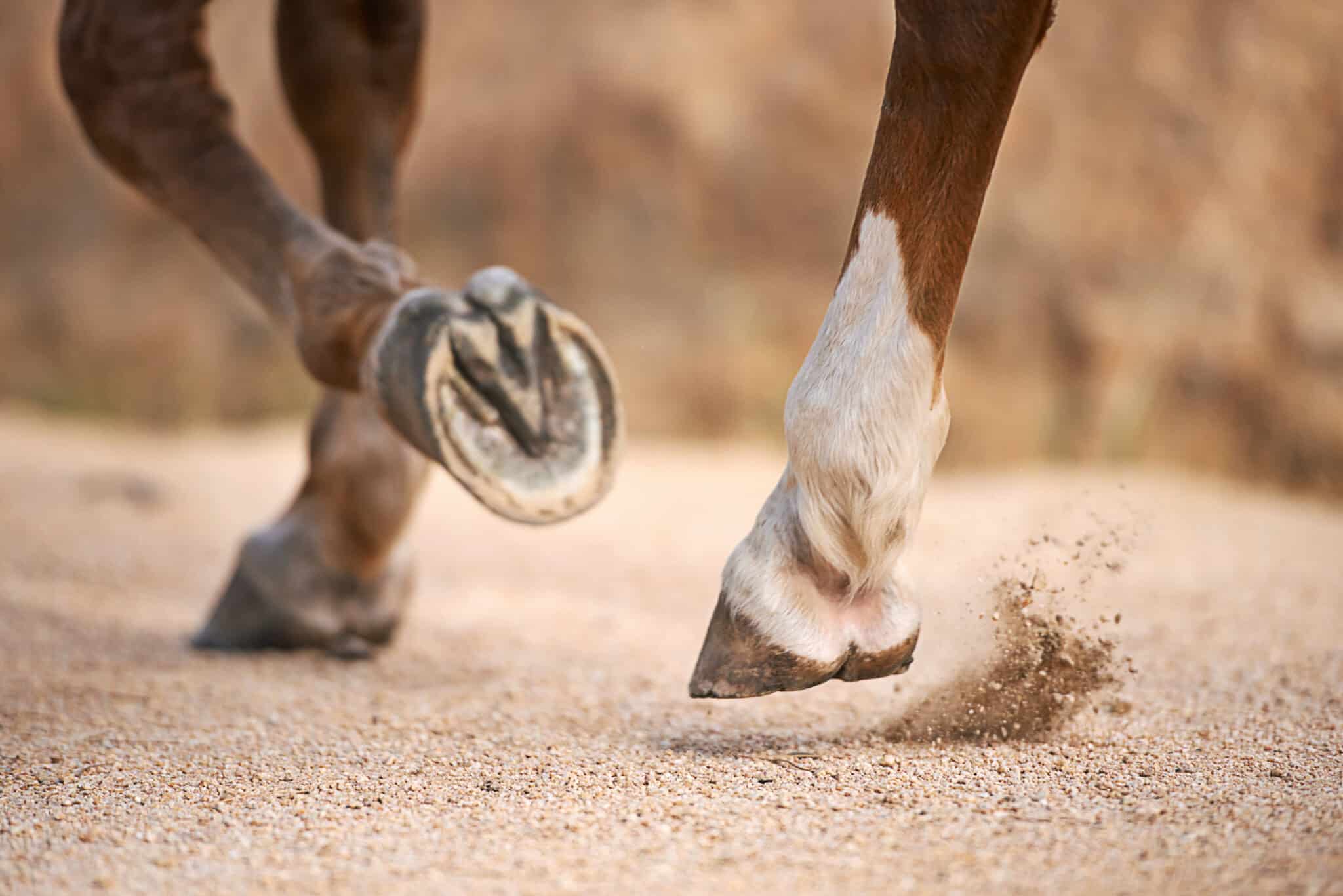
September weather can fluctuate considerably. A stretch of dry weather may be followed by several rainy days, repeatedly changing hoof moisture levels.
These wet-to-dry and dry-to-wet changes can contribute to brittle hooves and cracks. As part of your horse hoof care routine, inspect the hoof wall regularly for new cracks, chips, or changes in overall condition.
4. Maintain a Regular Farrier Schedule
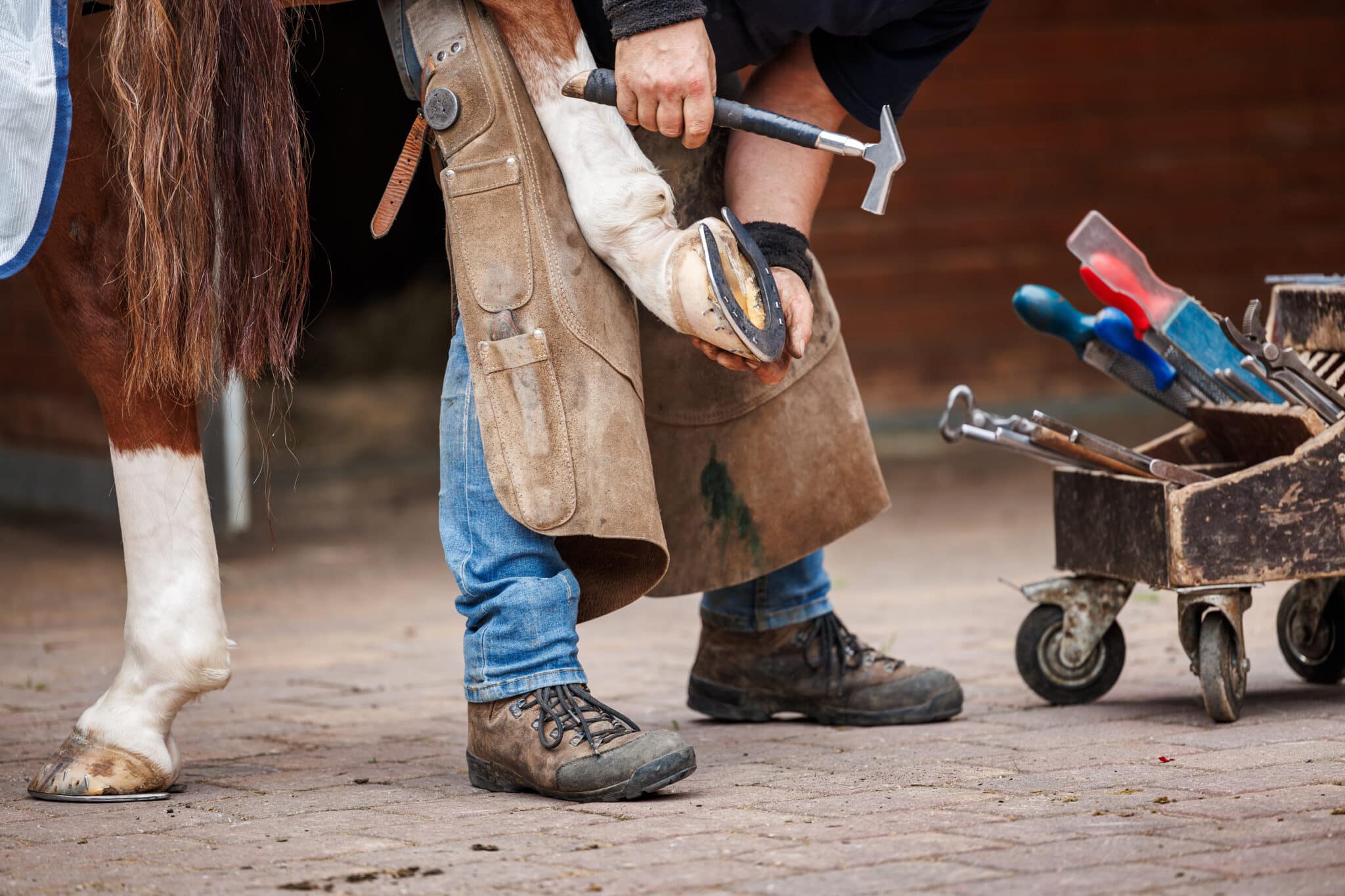
Fall isn’t the time to forget regular trimming or shoeing. Proper hoof balance is important for supporting movement and reducing unnecessary stress on bones, tendons, and ligaments.
Summer trimming or shoeing is generally recommended every four to six weeks, although individual schedules vary. Your farrier can determine the appropriate schedule as hoof growth begins changing with the season. Consistent professional care remains a foundation of good horse hoof health.
5. Check for Signs of Thrush
Wet fall conditions make it particularly important to watch for thrush. This condition is associated with wet, soiled environments and may produce a foul-smelling, dark discharge around the frog.
Regular hoof care, clean stalls, and drier living conditions can help reduce these risks. If you notice persistent odor, discharge, tenderness, or lameness, contact your veterinarian or farrier for guidance.
6. Choose Horse Hoof Care Products Carefully
Depending on your horse’s needs, certain horse hoof care products may become useful during seasonal changes. Products are available for hoof conditioning, moisture management, cleaning, and nutritional support.
However, more product isn’t necessarily better. Choose horse hoof care products based on your horse’s actual hoof condition and follow manufacturer instructions. Your farrier or veterinarian can help determine whether a topical product or nutritional adjustment is appropriate.
7. Support Healthy Horse Hooves Through Nutrition
Strong hooves aren’t created through grooming alone. Proper nutrition also contributes to healthy horse hooves. Quality forage, balanced vitamins and minerals, and access to fresh water all play roles in overall hoof quality.
Some horses with poor quality hooves may benefit from targeted nutritional supplementation, but improvements take time because hoof growth is gradual. Consider your horse’s complete diet before adding supplements specifically for horse hoof health.
Find Horse Hoof Care Essentials at The Trainer’s Loft
At The Trainer’s Loft, we know New England horse owners face changing conditions throughout the year. Our selection of horse hoof care products, grooming essentials, supplements, and other horse care supplies can help you prepare for the transition from dry summer conditions to wetter fall weather. Whether you are refreshing your grooming kit or supporting healthy horse hooves, having dependable supplies on hand makes seasonal care easier.
Frequently Asked Questions About Horse Hoof Care
How often should I pick my horse’s hooves?
Daily hoof picking is recommended and allows owners to remove debris while checking for cracks, injuries, odor, or other abnormalities.
Does fall weather affect horse hooves?
Yes. Changes between dry and wet conditions can contribute to cracking and brittle hoof walls, while persistently wet, dirty environments can increase hoof-health concerns.
How often should a horse see a farrier?
Many horses are trimmed or shod approximately every four to six weeks during summer, with schedules potentially changing as hoof growth slows toward winter. Your farrier can establish the best schedule for your individual horse.
What should healthy horse hooves look like?
Healthy horse hooves should maintain appropriate balance and show no obvious signs of significant cracking, unusual discharge, foul odors, or tenderness. Regular inspection makes it easier to recognize when something has changed.
Keep Hooves Ready for Fall
September is an important transition period of horse hoof care in New Hampshire. By picking hooves daily, managing mud, monitoring moisture changes, maintaining farrier appointments, and supporting proper nutrition, owners can prepare their horses for the changing season. Consistent horse hoof care throughout fall also provides an important foundation as colder New England weather approaches.