Horse Riding Boots: When to Switch From Winter to Spring
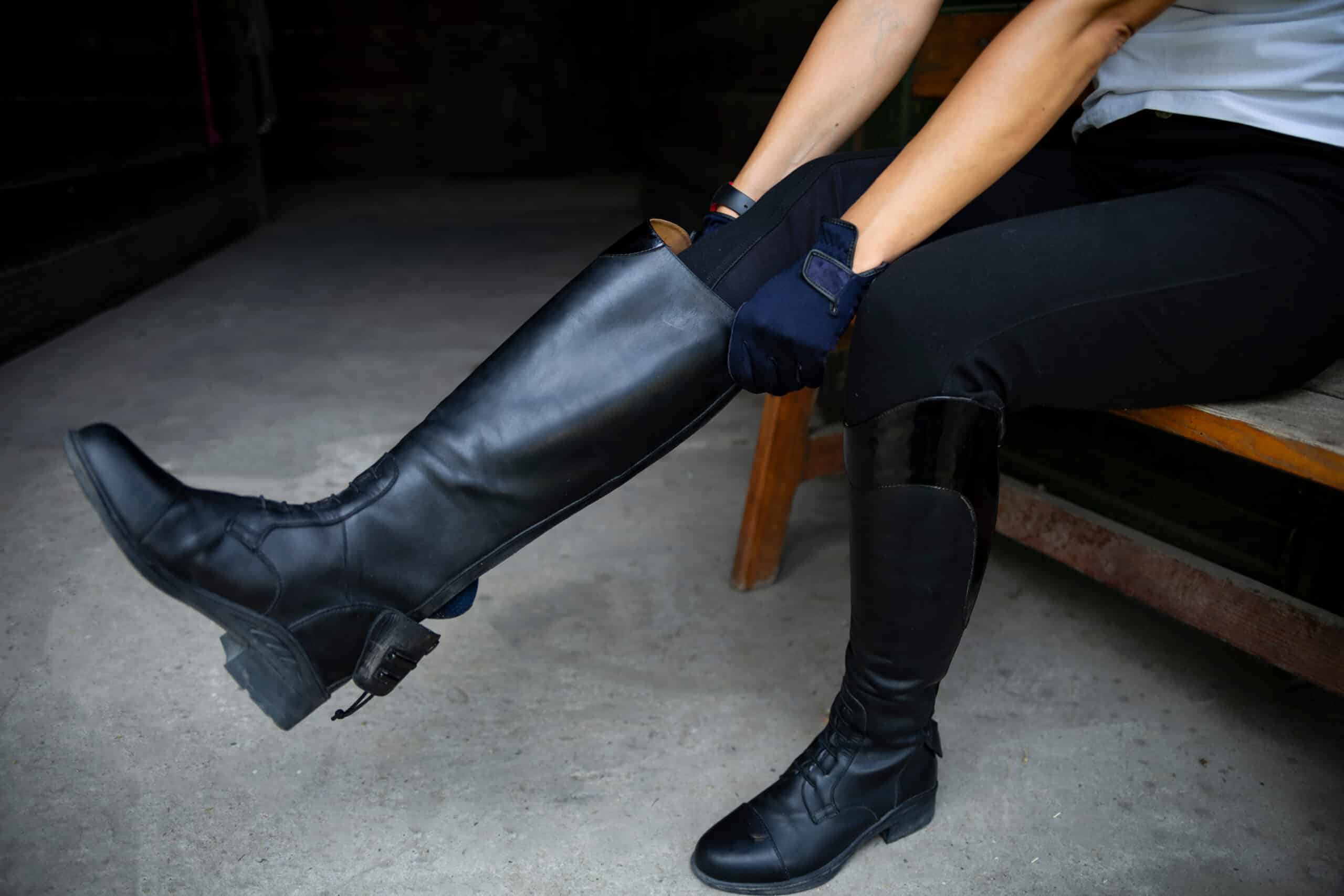
Seasonal transitions impact every part of riding, including what you wear in the saddle. While many riders focus on blankets and tack changes, footwear is often overlooked. Knowing when to switch horse riding boots from winter to spring plays a major role in comfort, balance, and performance. The features that make winter horse riding boots ideal in cold weather can work against riders as temperatures rise and riding intensity increases.
Why Winter Horse Riding Boots Are Built for Cold Conditions
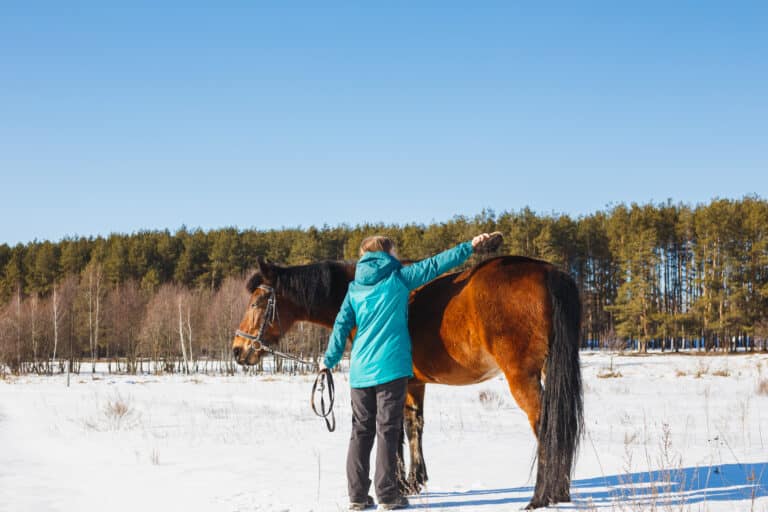
Winter horse riding boots are designed with insulation, moisture resistance, and traction in mind. Thicker soles help insulate feet from frozen ground, while lined interiors provide warmth during long rides in cold temperatures. Many winter horse riding boots also offer extra grips to improve stability on icy or slippery footing. These features are essential during winter months, but they come with trade-offs as the seasons begin to change again.
How Spring Riding Changes Your Needs in the Saddle
As winter turns to spring, riders often begin to spend more time in the saddle. Longer schooling sessions, increased conditioning, and warmer temperatures all demand greater flexibility and breathability. Continuing to wear insulated horse riding boots during this time can lead to overheating, reduced leg feel, and fatigue. Horse riding boots for warmer weather are often lighter and more breathable, allowing for better movement and closer contact with the horse.
Fit Changes Riders Commonly Overlook Between Seasons
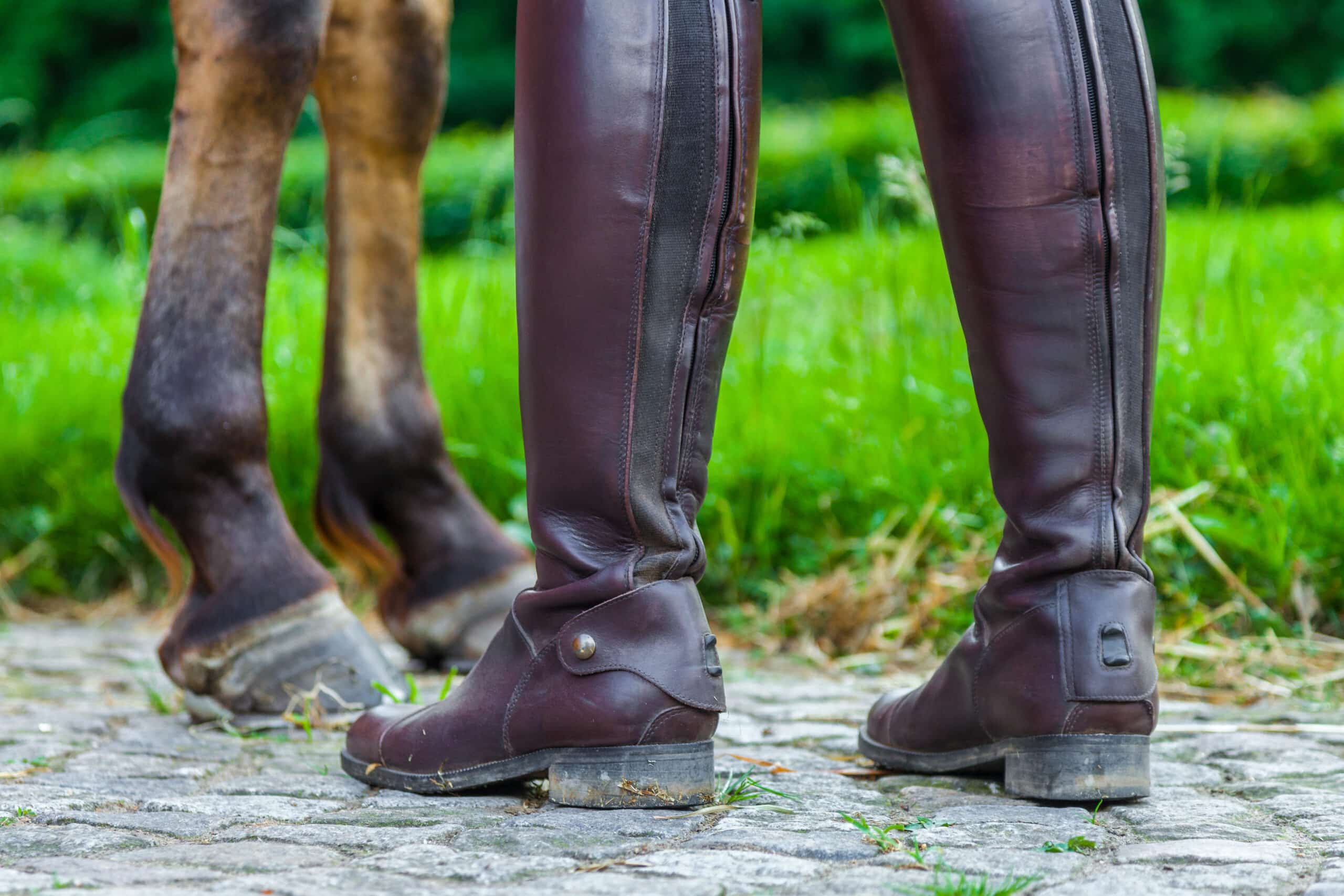
One of the most common issues riders encounter during seasonal changes is fit. Thick winter socks can subtly stretch horse riding boots over time. When those layers are removed in spring, boots may feel loose or unstable. This can affect lower leg position and overall balance. Reassessing horse riding boots as seasons change helps ensure proper support and comfort, especially as riding frequency increases.
Breathability and Moisture Management Matter More in Spring
Winter riding boots are designed to keep moisture out, but they can trap heat as temperatures rise. Excess heat and moisture inside boots can cause discomfort and increase wear on materials. Warmer weather horse riding boots prioritize airflow and moisture management, helping riders stay comfortable during longer rides. Choosing the right boots for the season protects both the rider and the longevity of the footwear.
Traction and Footing Differences Between Winter and Spring
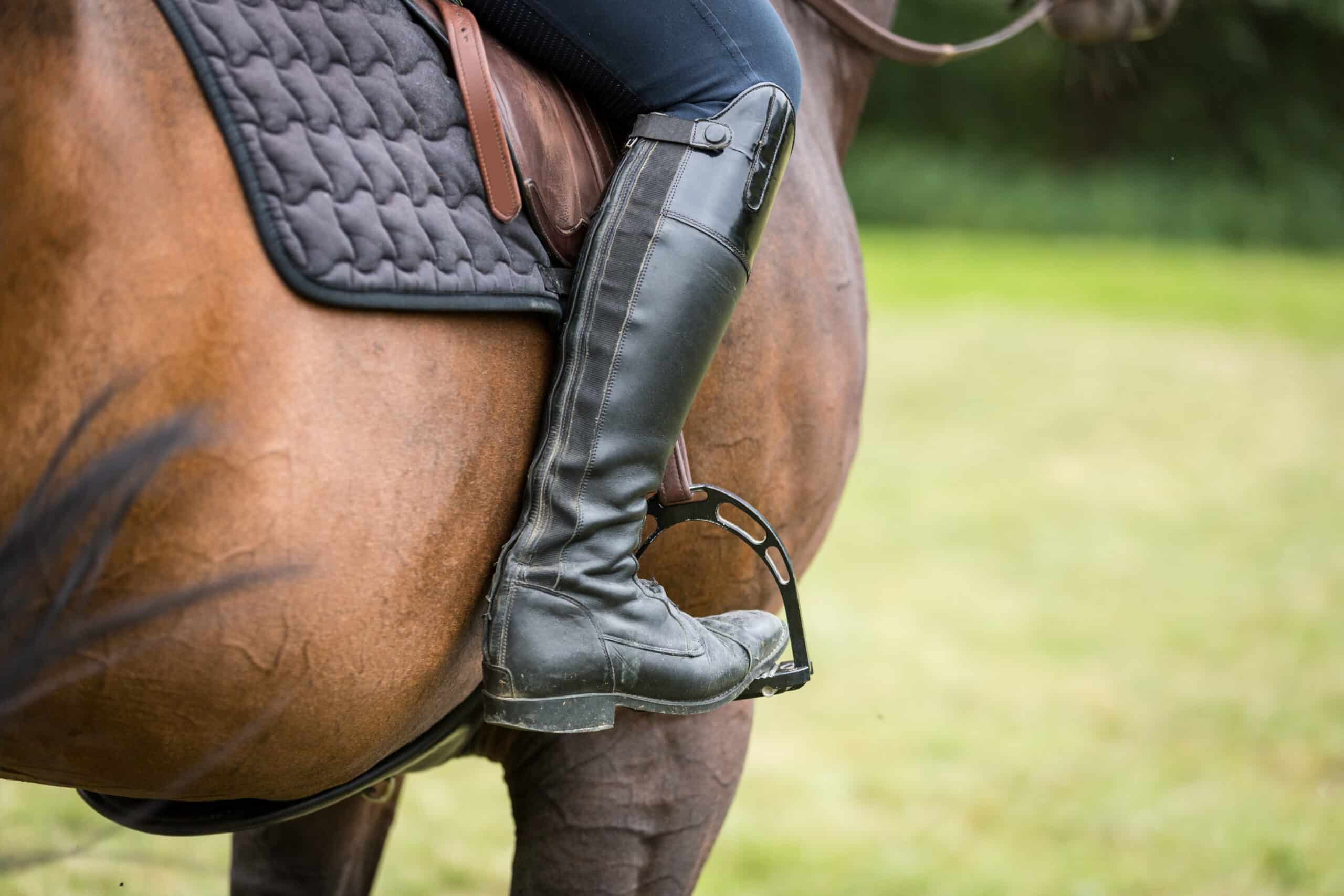
Footing changes significantly between winter and spring. Winter riding often requires extra traction for safety, while spring arenas typically emphasize balance, precision, and feel. Switching horse riding boots allows riders to adapt to these conditions. A boot that feels secure on frozen ground may feel bulky or restrictive once footing softens and riding becomes more technical.
Knowing When It’s Time to Make the Switch
A good time to reassess horse riding boots is when daytime temperatures consistently rise above freezing and winter layers are no longer needed. If your boots feel overly warm, stiff, or heavy, it may be time to transition. Paying attention to comfort and performance cues helps riders choose the right moment to switch styles.
Caring for Horse Riding Boots Between Seasons
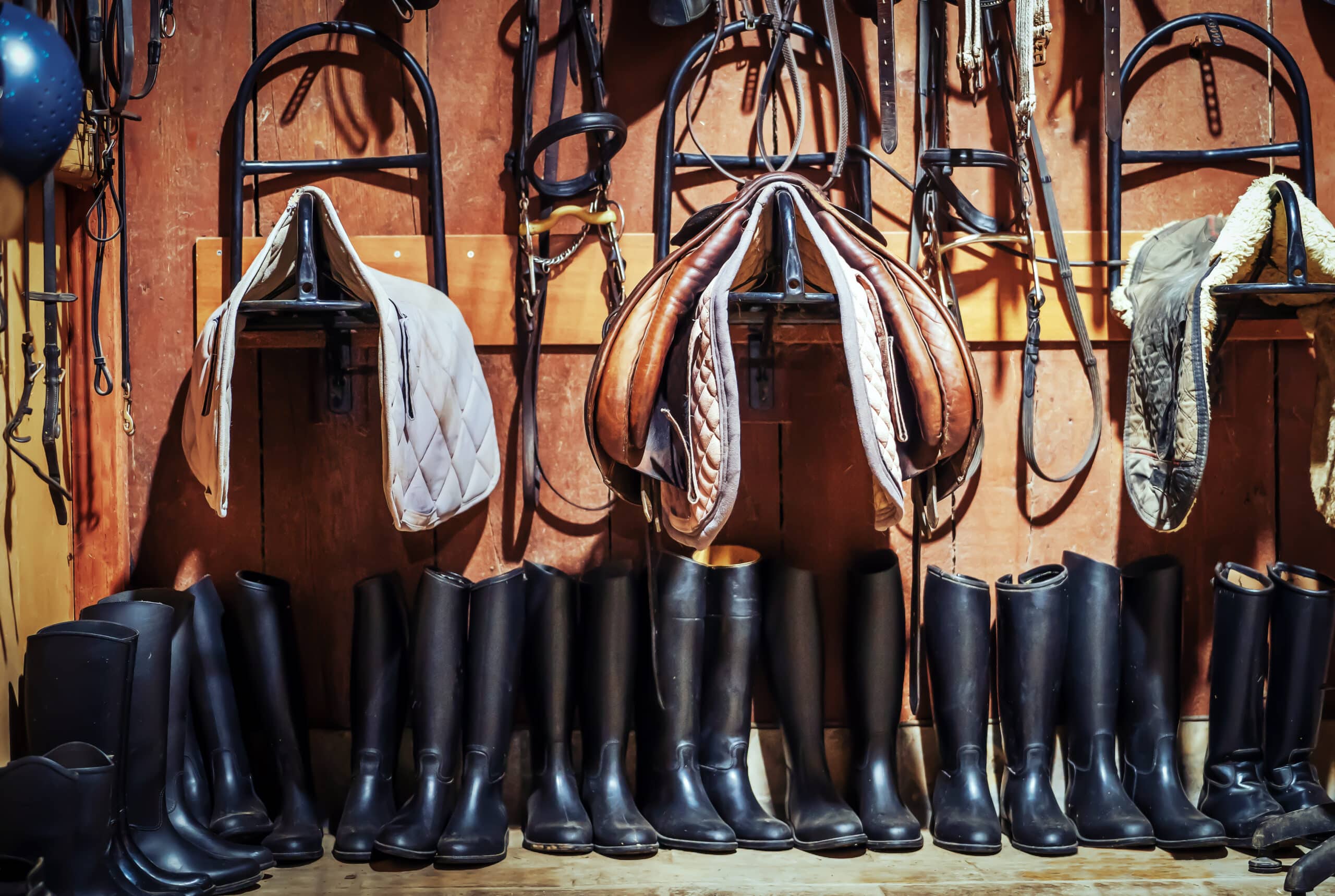
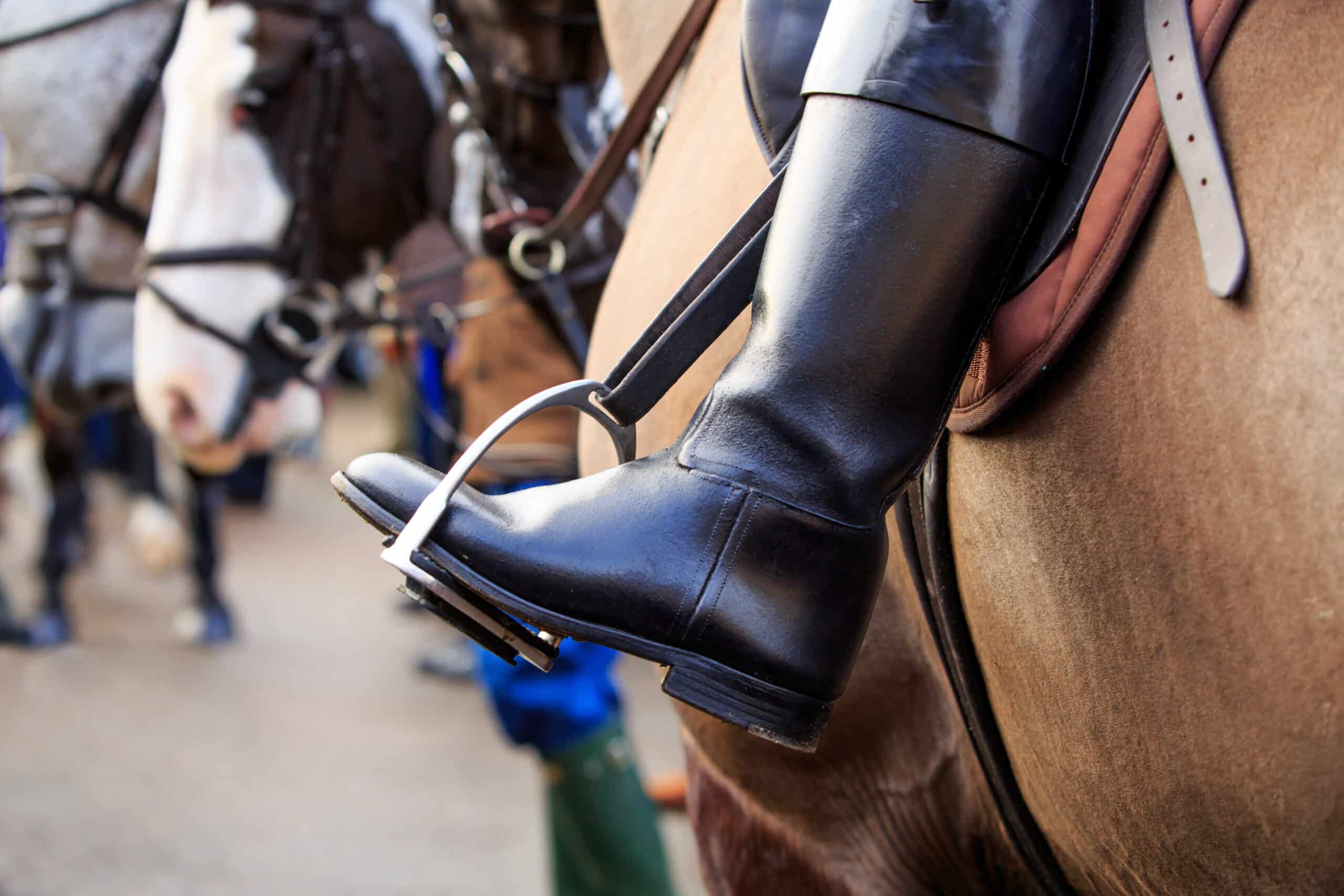
Proper care ensures riding boots last through multiple seasons. Winter boots should be cleaned thoroughly, dried completely, and stored in a cool, dry place once spring arrives. This prevents material breakdown and keeps them ready for next winter. Rotating boots seasonally reduces wear and improves overall comfort year-round.
The Trainer’s Loft
The Trainer’s Loft offers a carefully selected range of horse riding boots designed for both winter protection and spring performance. Our knowledgeable team helps riders choose the right boots for the season for a proper fit, comfort, and durability. Whether you’re transitioning out of winter gear or preparing for spring riding, The Trainer’s Loft is here to support you every step of the way.