How Winter Muscle Loss Impacts Horse Saddle Balance and Pressure Points
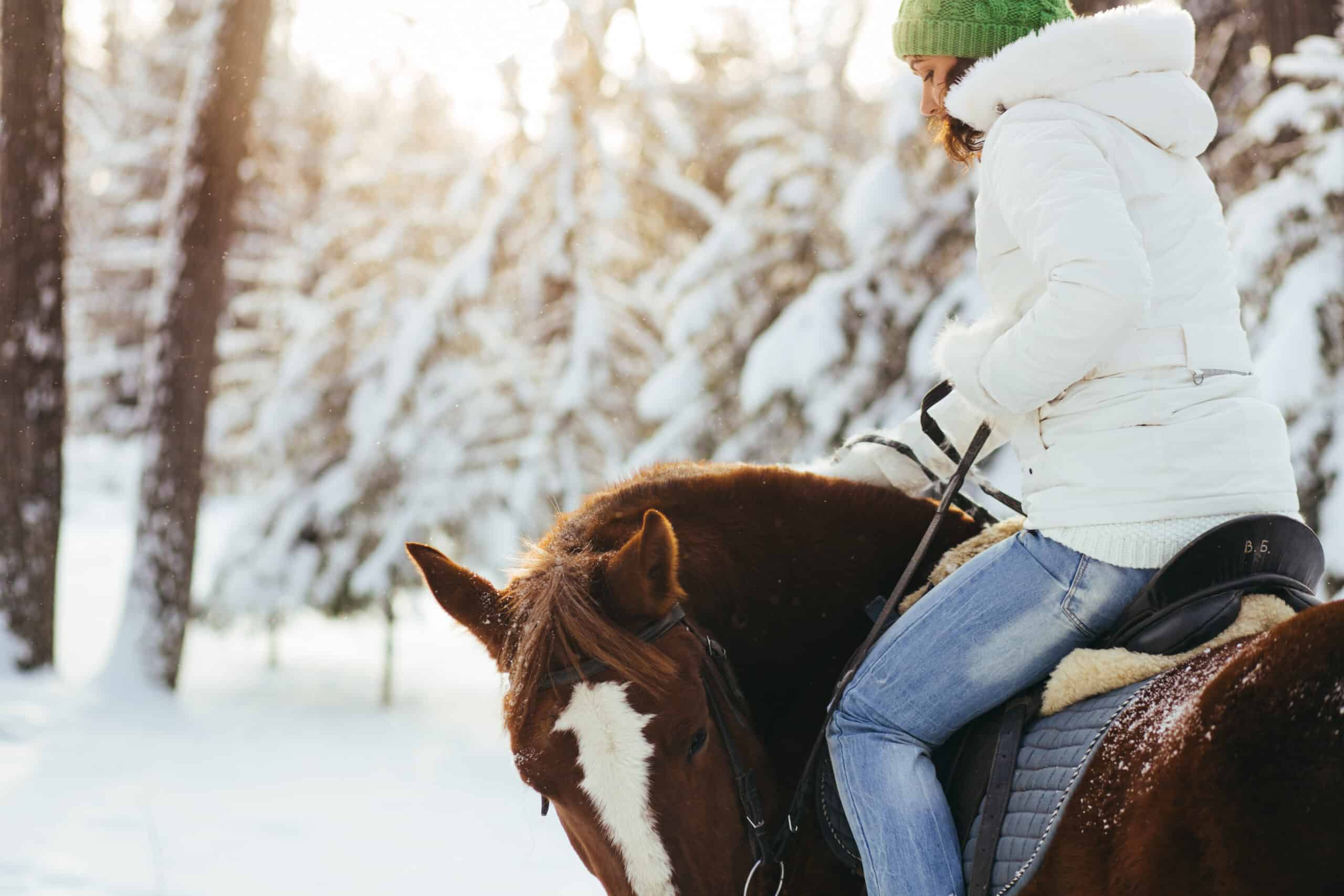
Winter often brings along unavoidable changes to a horse’s body, especially in regions like New England, with cold temperatures and reduced daylight. Even well-conditioned horses may lose muscle during the winter months due to lighter workloads, fewer rides, or changes in turnout schedules. These physical shifts have a direct impact on horse saddle fit, balance, and pressure distribution. Understanding how winter muscle loss affects a horse saddle helps riders prevent discomfort and long-term issues before spring riding ramps up.
Why Horses Lose Muscle During Winter
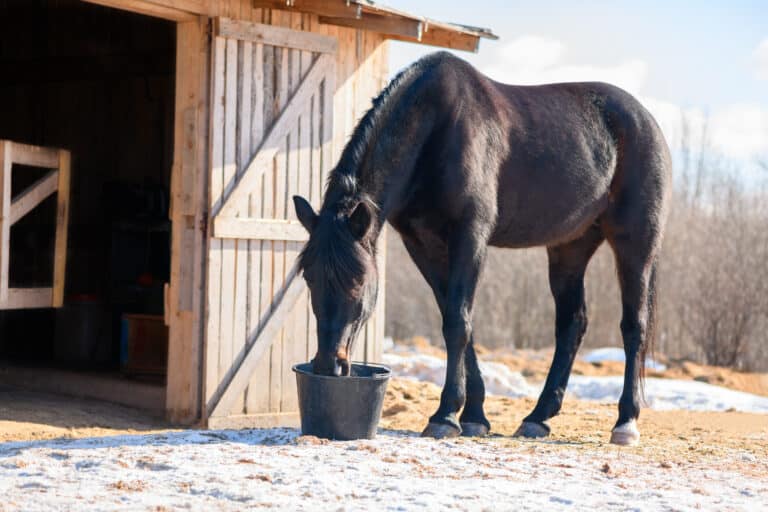
During the winter months, many horses experience reduced exercise because of weather, frozen footing, or limited daylight. Less consistent work often leads to muscle loss along the topline, shoulders, and back. When muscle diminishes, the shape of the horse’s back changes, even if overall weight stays the same. A horse saddle that fit well in the fall may no longer sit correctly once muscle tone decreases.
How Muscle Loss Changes Horse Saddle Balance
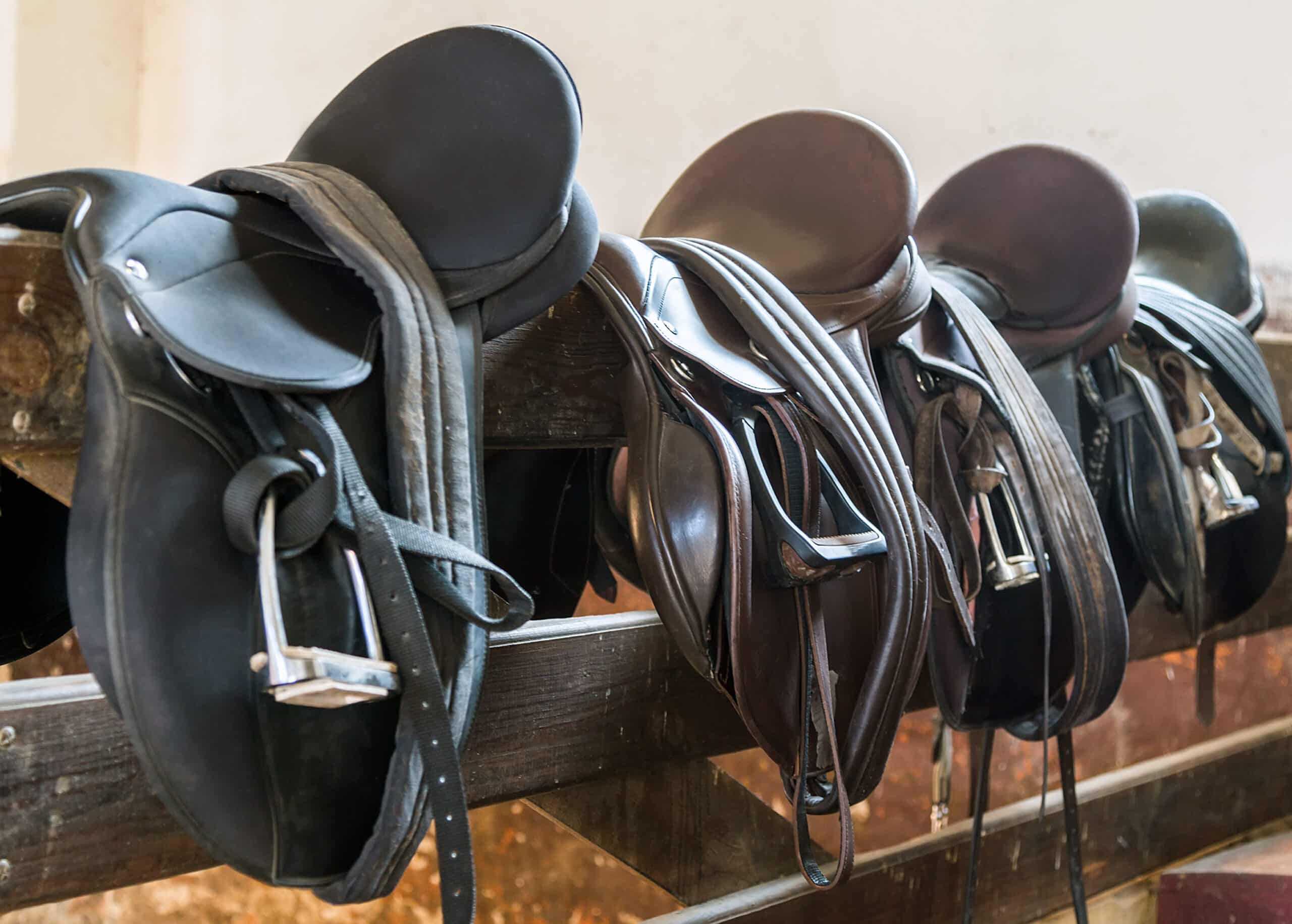
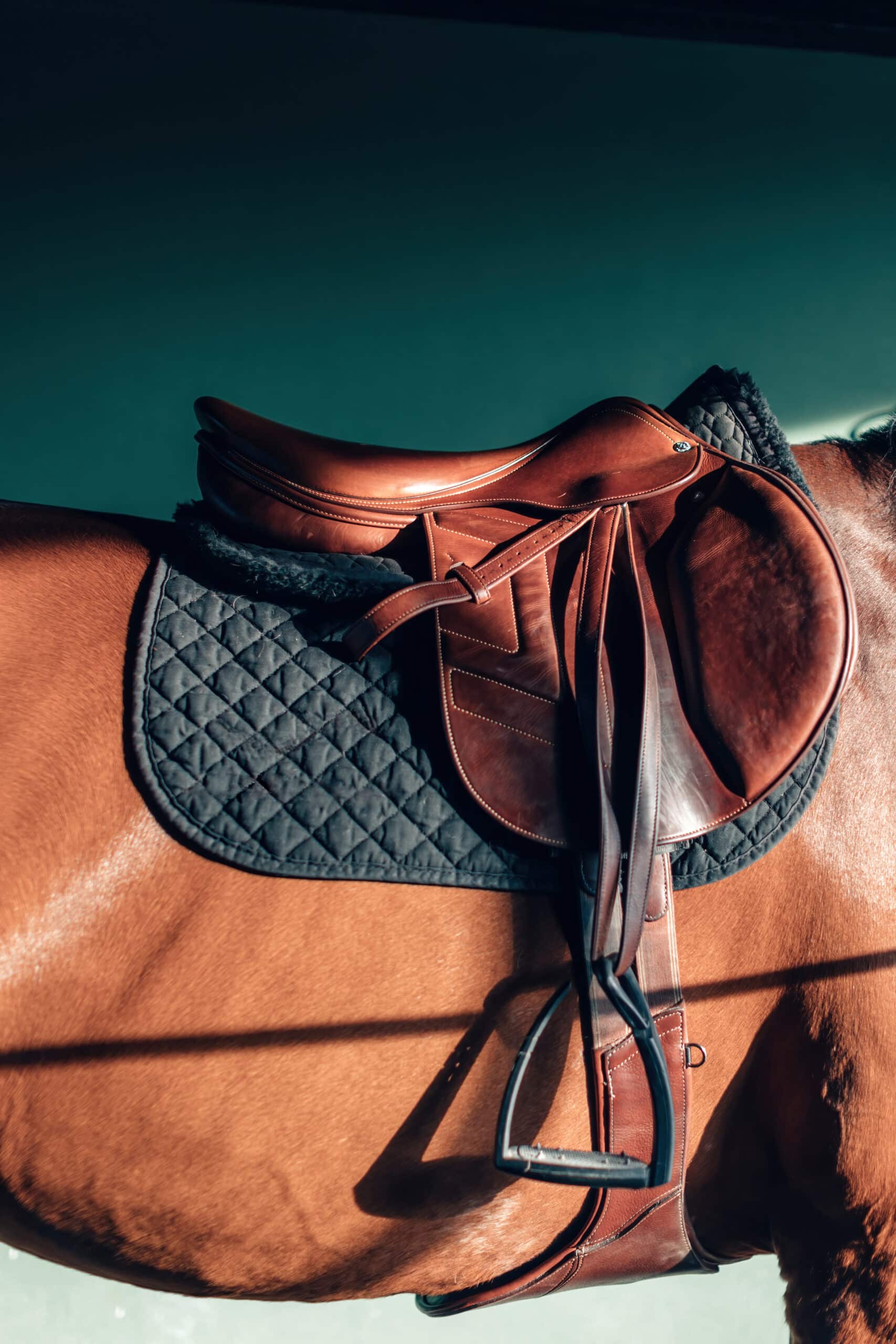
Muscle loss can cause a horse saddle to sit lower in certain areas, often around the withers or behind the shoulders. This creates imbalance, causing the saddle to tup forward, backward, or rock during movement. An unbalanced horse saddle impacts rider position and can interfere with clear communication between horse and rider. Over time, this imbalance causes strain on both the horse’s back and the rider’s body.
Pressure Points Created by Poor Horse Saddle Fit
When muscle loss alters saddle fit, pressure points often develop. Areas that once had adequate support may now bear more weight, leading to soreness or sensitivity. Uneven pressure from a poorly fitting horse saddle can cause behavioral changes such as resistance, shortened stride, or reluctance to be saddled. These signs are often subtle at first but worsen over time if ignored.
Why Winter Coats Can Hide Saddle Issues
Thick winter coats make it harder to detect fit issues. Hair can mask dry spots, swelling, or uneven sweat patterns caused by pressure from a horse saddle. Riders may assume the saddle fits fine simply because obvious signs aren’t visible. This makes it especially important to assess fit based on balance and feel rather than appearance alone during winter months.
Temporary Adjustments for Winter Riding
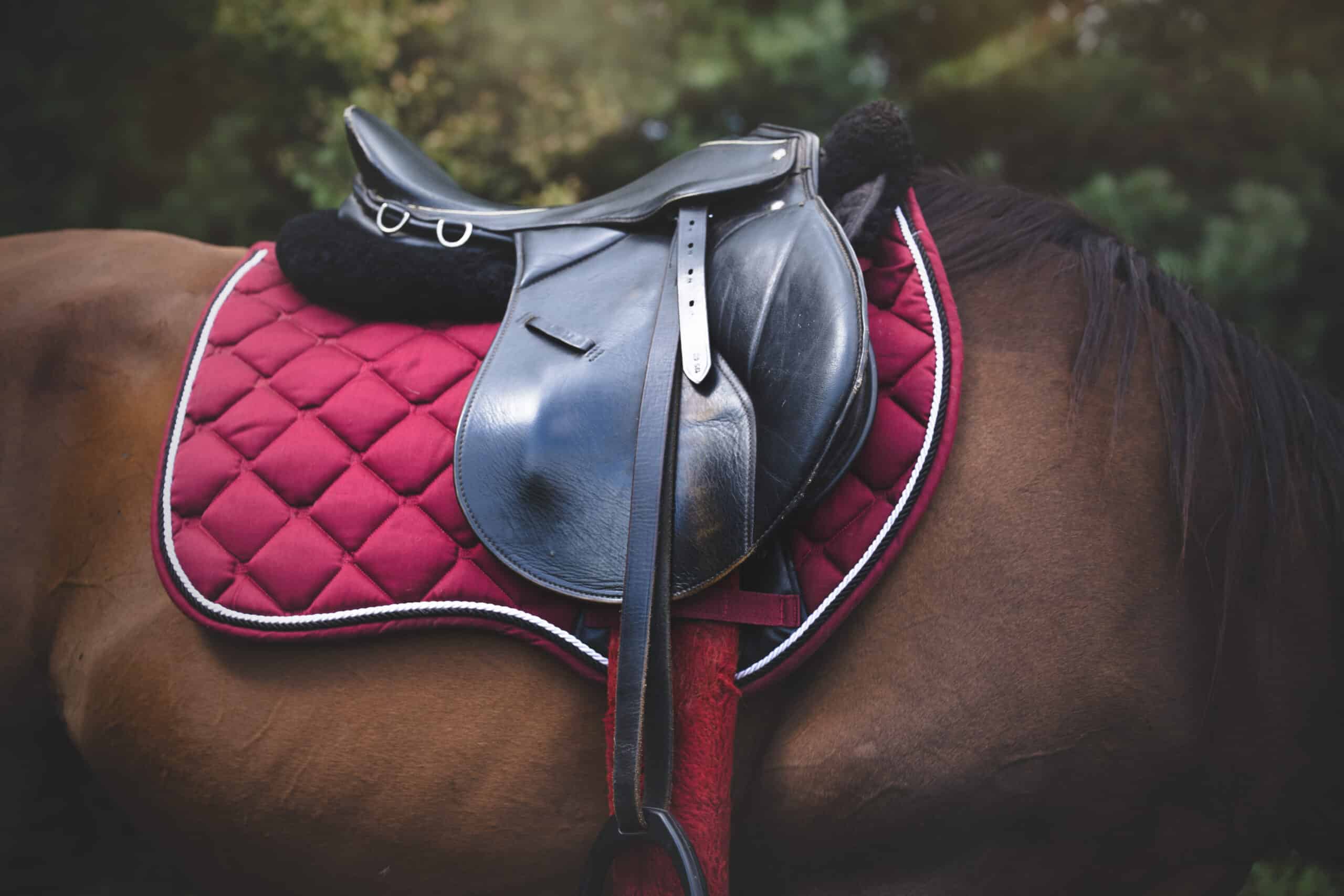
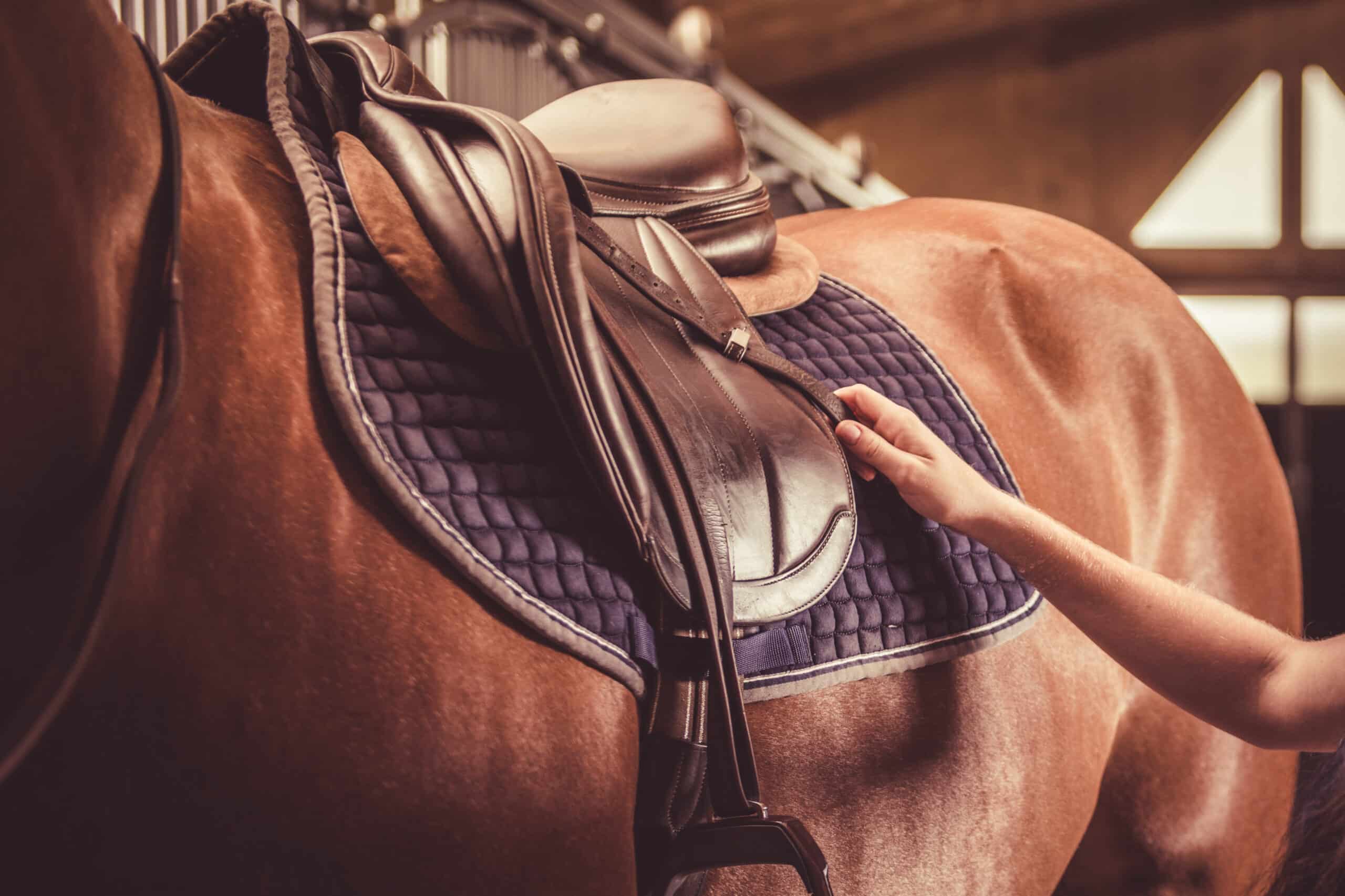
In many cases, winter muscle loss does not require a new horse saddle, but it does call for temporary adjustments. Saddle pads, shims, or liners can help stabilize the horse saddle and redistribute pressure while muscle loss is present. These solutions allow flexibility, especially since muscle often returns quickly once spring conditioning begins.
Monitoring Horse Saddle Fit Throughout the Season
Winter is not a “set it and forget it” season when it comes to saddle fit. Regularly checking how the saddle sits, moves, and feels under the rider helps catch issues early on. Small adjustments made during winter can prevent soreness and reduce the risk of more serious problems when riding frequency increases in spring.
Preparing for Spring Muscle Rebuild
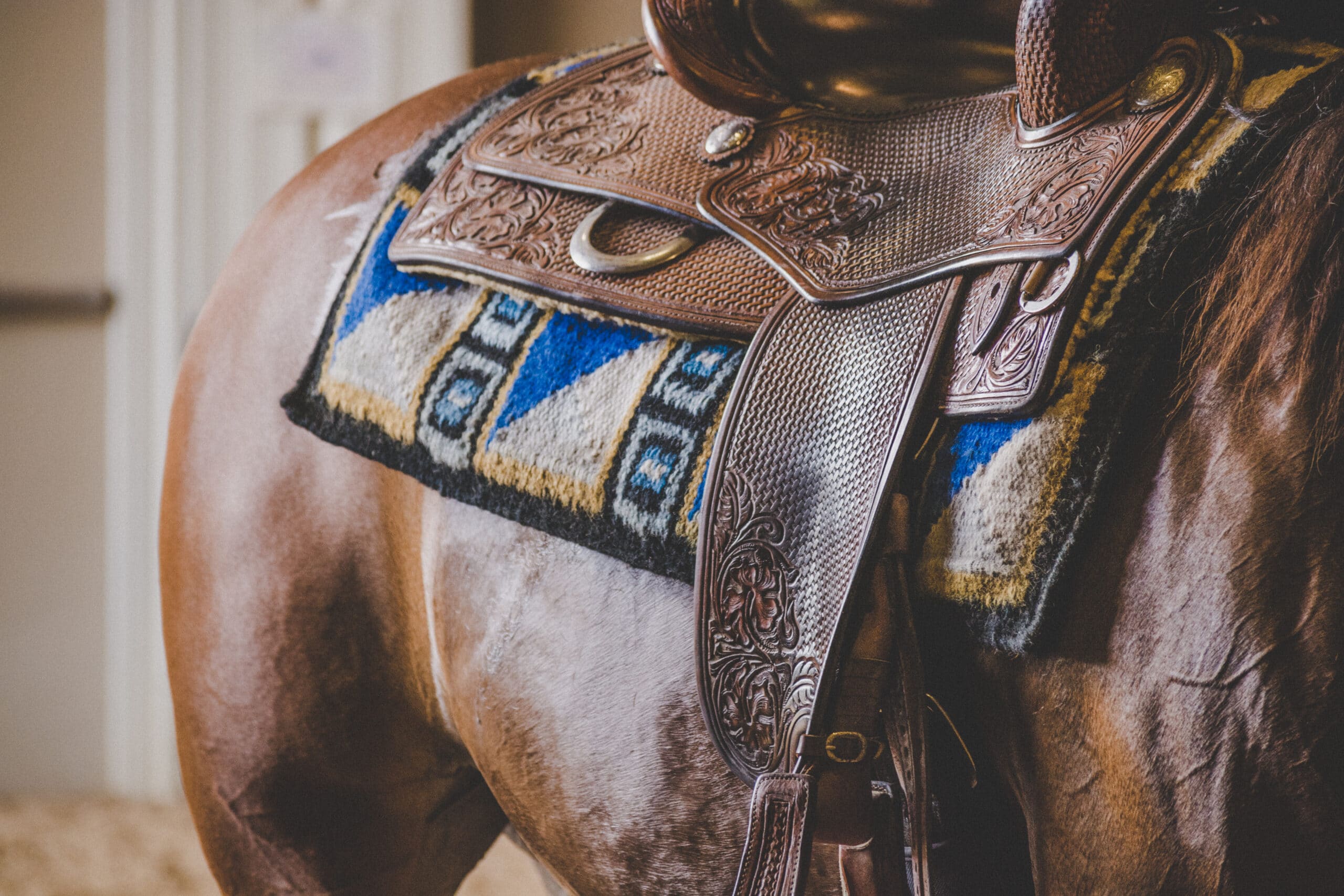
As days lengthen and riding becomes more consistent, horses begin rebuilding muscle. A horse saddle adjusted for winter conditions may become too tight once muscle returns. Planning ahead helps create a smoother transition into spring without rushing fit changes. Riders who monitor horse saddle fit throughout the winter months are better prepared for these seasonal shifts.
The Trainer’s Loft
At The Trainer’s Loft, we understand how seasonal changes impact saddle fit and comfort. Our knowledgeable team offers guidance on winter adjustments, pressure management, and preparing for spring transitions. Whether you are in need of advice, pads, or fit support, The Trainer’s Loft is here to help keep you and your horse comfortable year-round.