Horse Tack: 8 Proven Winter Care Tips That Protect Your Gear
Winter can be one of the most demanding seasons for horse tack, yet it’s also when many riders reduce their maintenance routines due to colder weather and less frequent riding. Cold temperatures, moisture, and fluctuating conditions can slowly damage leather and hardware if proper care is overlooked. Horse tack maintenance throughout winter not only preserves safety and performance but also helps keep your gear in good condition when spring riding ramps up.
How Winter Weather Affects Gear
Cold, dry air can make leather stiff and brittle, while moisture from snow, slush, and condensation increases the risk of mold. Constant alternation between too wet and too dry can lead to leather drying out and cracking. When horse tack is exposed to these conditions without proper care, cracks, stretching, and weakened stitching become more likely. Even if you are riding more frequently, winter is not the time to ignore routine cleaning and inspection of tack. Consistent winter horse tack care will expand the life of gear.
Cleaning Tack During the Winter Months
Regular cleaning is the foundation of winter horse tack care. Sweat, dirt, and salt buildup accelerate leather breakdown, even in cold weather. After each ride, wiping down horse tack with a damp cloth helps remove residue before it causes damage. A deeper clean every few weeks keeps leather supple and prevents grime from settling into seams and stitches.
Conditioning Without Overdoing It
One of the most common winter mistakes riders make is over-conditioning horse tack. While leather needs moisture in cold weather, too much oil can weaken stitching and soften leather excessively. Instead, use a balanced conditioner in smaller amounts on a more frequent basis. Using this approach when conditioning horse tack will keep it flexible without oversaturating it, helping your gear last into spring.
Managing Moisture and Preventing Mold
Moisture is one of the biggest threats to horse tack during the colder months. Snowy boots, damp blankets, and poorly ventilated tack storage can create ideal conditions for mold growth. Always allow tack to dry completely at room temperature before storing it. Avoid placing tack near heaters or direct heat sources as this can lead to cracking. Good airflow is key to preventing mold on horse tack.
Inspecting Hardware and Stitching for Safety
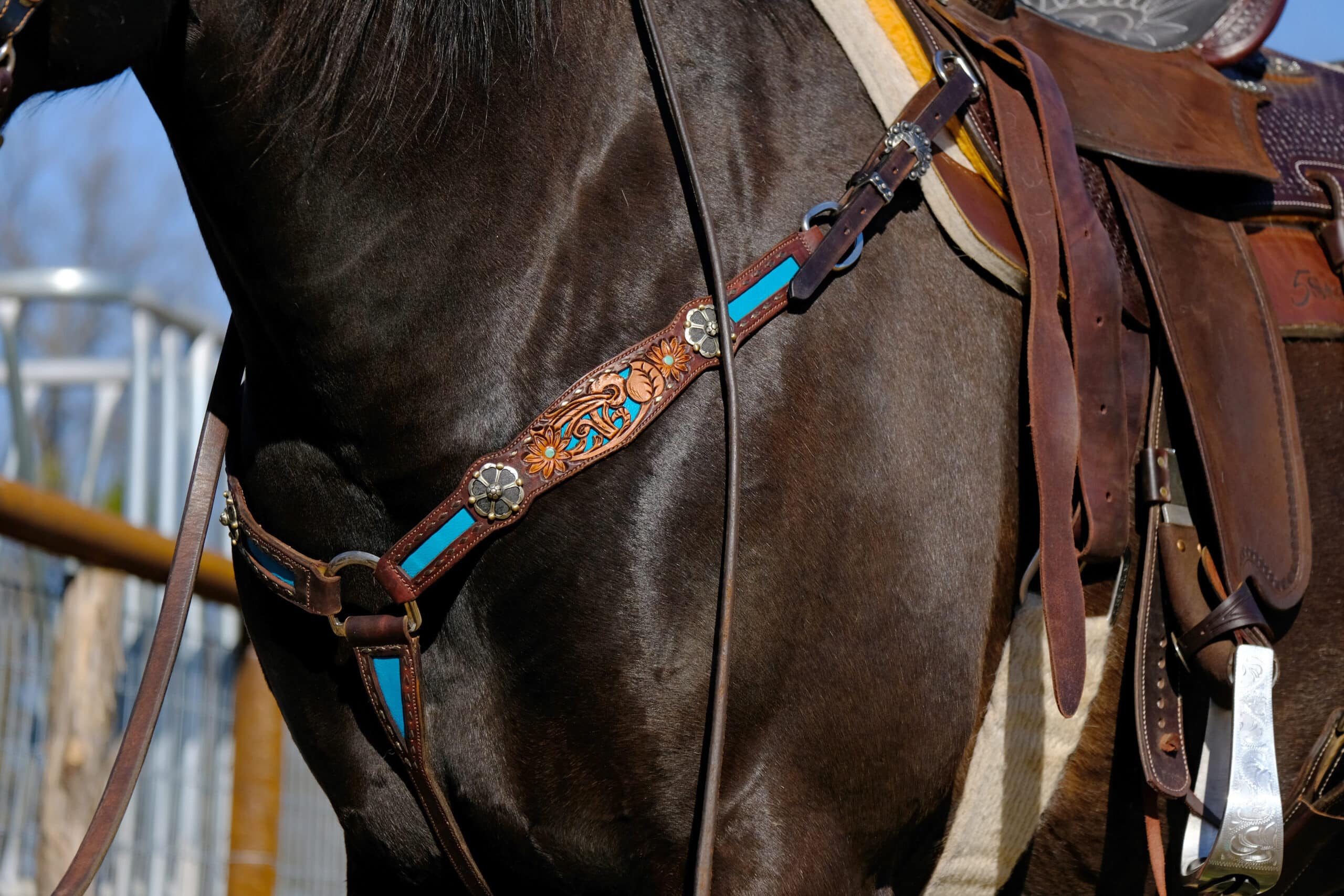
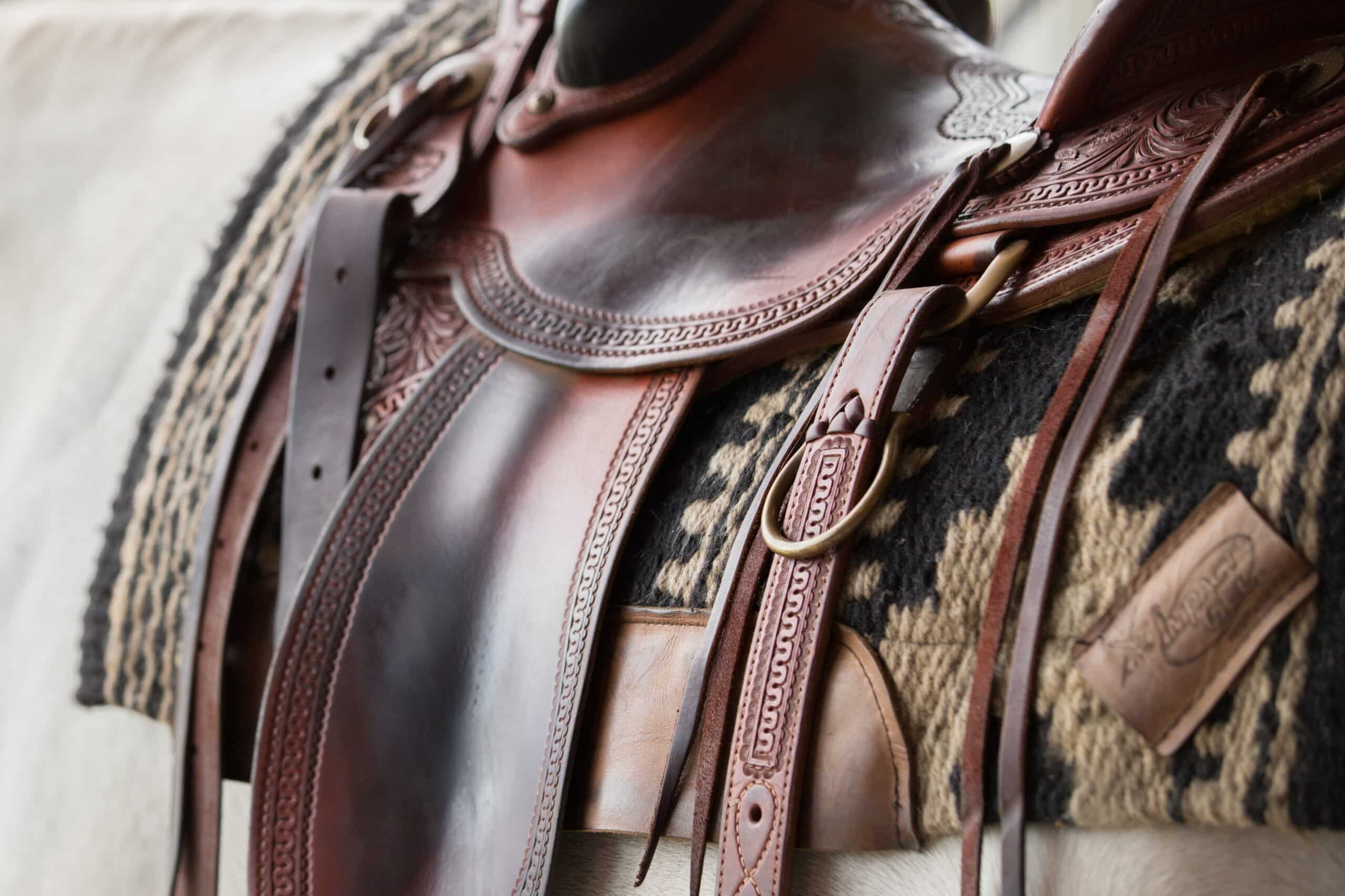
Winter conditions are harsh on metal components. Buckles, rings, and snaps on horse tack can rust or seize if not inspected regularly. Cleaning hardware and applying a light lubricant helps prevent corrosion. Stitching should also be checked often as cold temperatures can make weakened areas more noticeable. Catching these issues early helps keep tack safe to use.
Proper Storage Makes a Big Difference
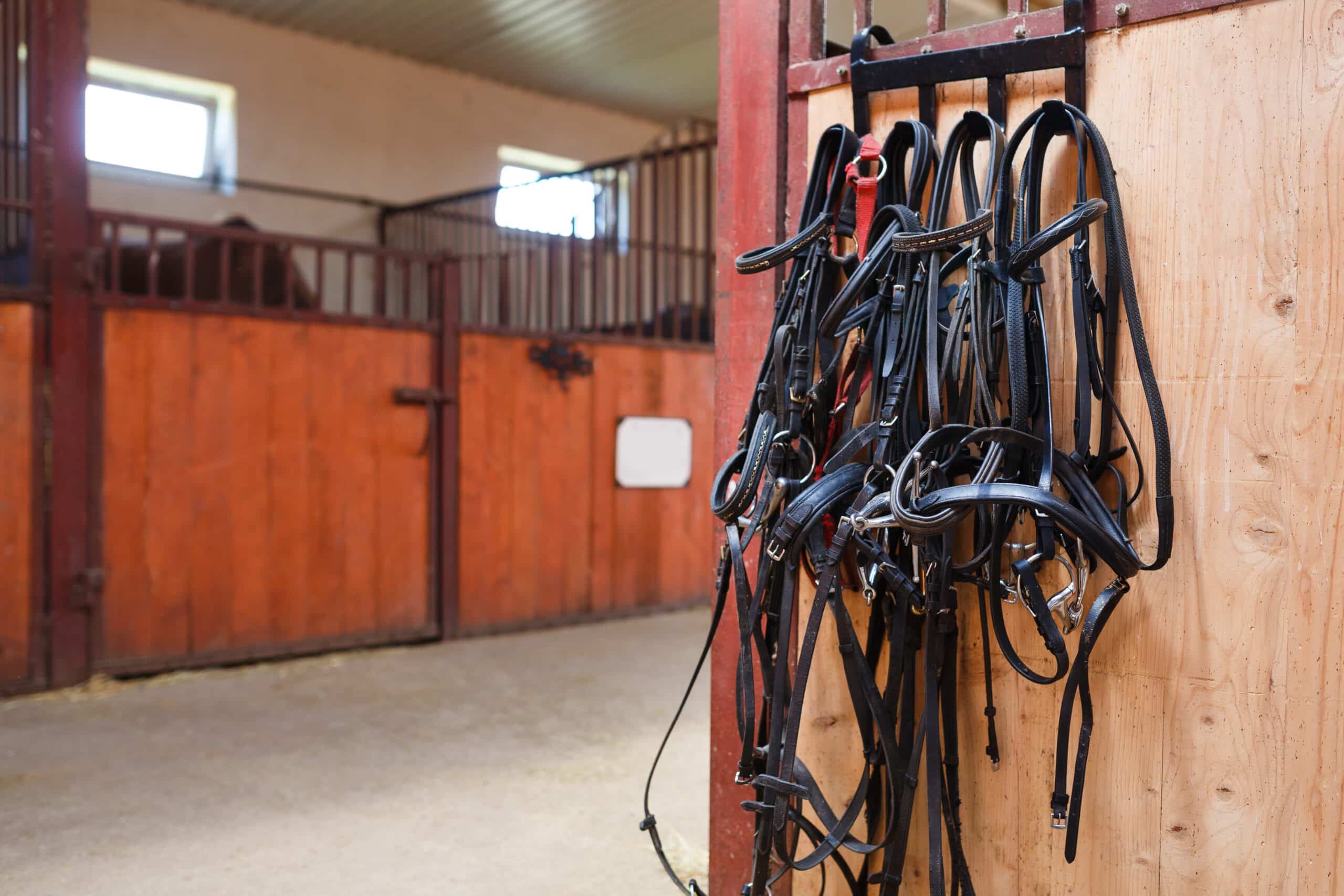
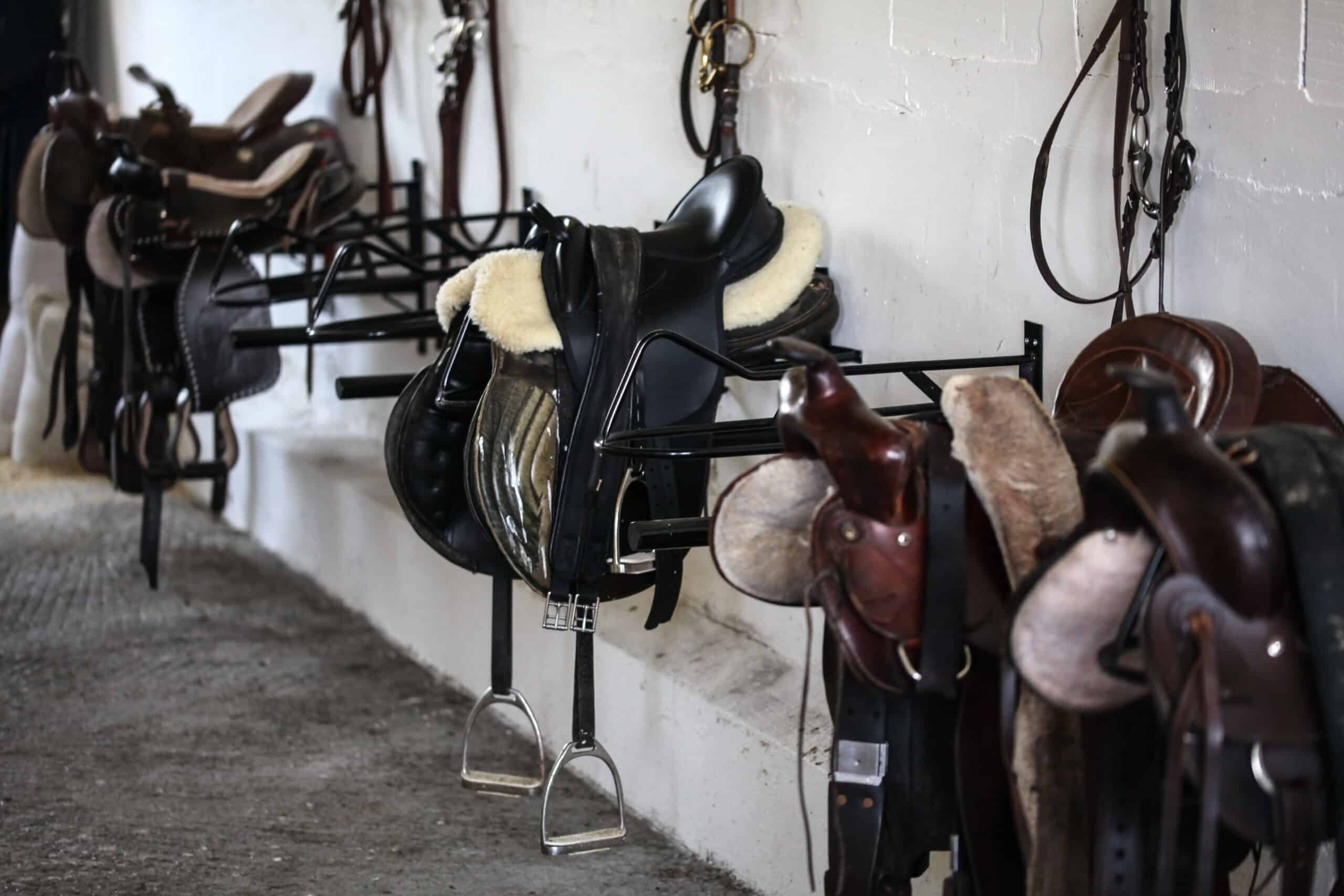
Proper horse tack storage during winter and cold months directly impacts its longevity. Tack should be kept in a dry, temperature-stable environment with adequate ventilation. Breathable covers protect horse tack from dust while allowing airflow. Avoid plastic coverings as they can trap moisture and increase the risk of mold and mildew.
Preparing Horse Tack for the Transition into Spring
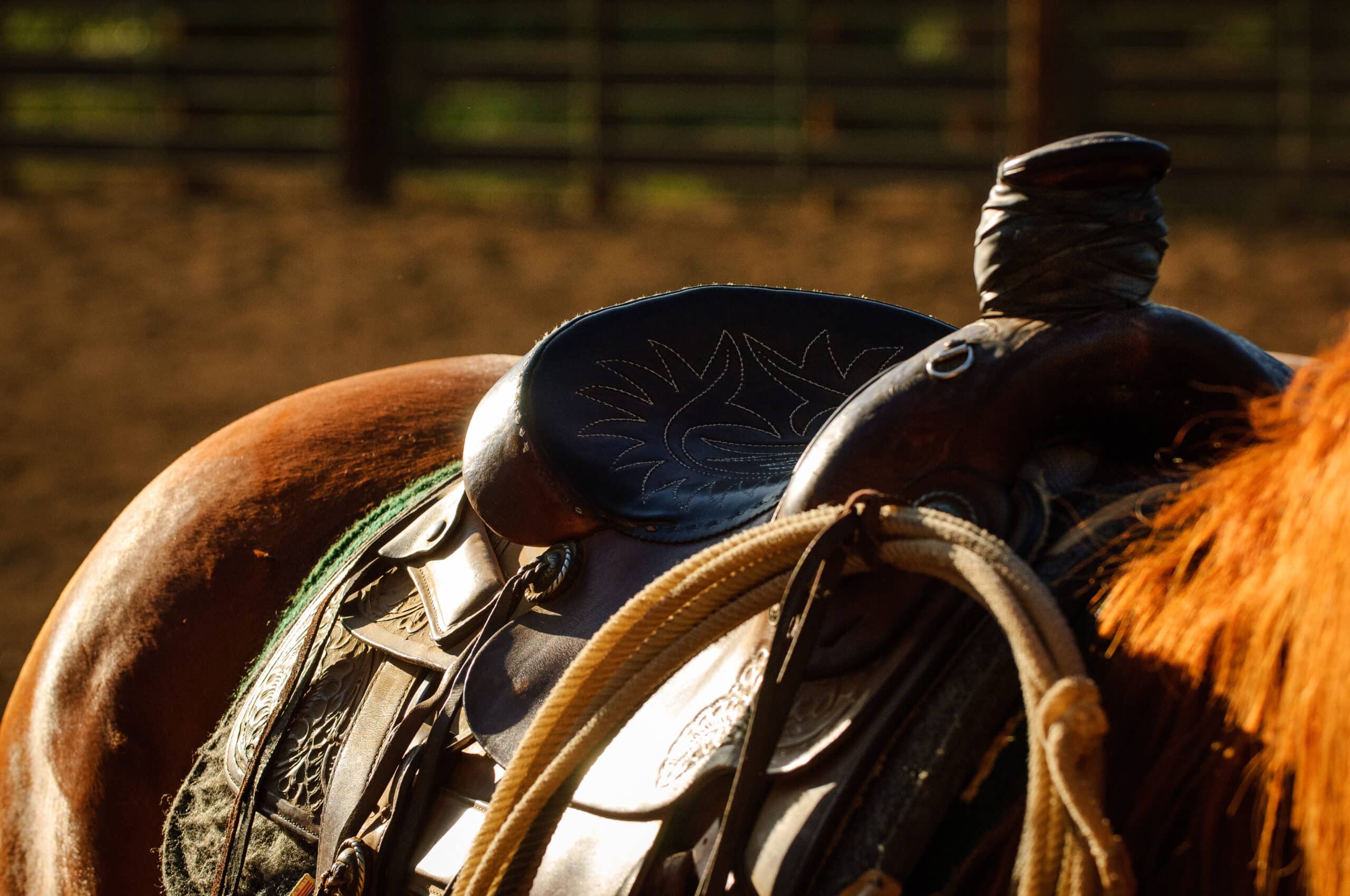
As winter ends and your riding frequency increases, it’s important to reassess tack before heavy use continues. Be on the lookout for stretched billets, worn girths, or cracked leather that may have developed over the winter months. Addressing these issues early prevents failures during spring training and helps make sure horse tack is comfortable and reliable as conditions change.
Why Consistent Winter Care Pays Off
Riders who maintain tack consistently through winter often find their gear lasts longer and performs better year after year. Proper care reduces the need for costly replacements and helps tack adjust smoothly as horses regain muscle and workload increases in springtime.
The Trainer’s Loft
The Trainer’s Loft supports riders with expert horse tack advice and high quality products for caring for tack through winter and beyond. Whether you are looking for cleaning and conditioning solutions or personalized guidance, our team helps extend the life of your gear and prepare it for spring riding. Visit The Trainer’s Loft for trusted support that keeps your tack performing its best all year.