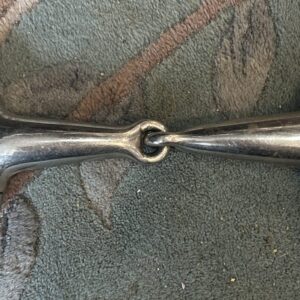
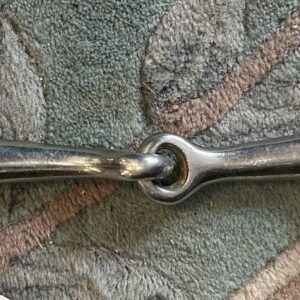
Curved bit to reduce the “nutcracker” action and to alleviate pressure on the tongue and bars of the mouth. Prevents contact with the roof of the horses mouth. Allows for effective communication between horse and rider whilst encouraging relaxation and salivation. Dee ring compromises between an eggbutt and a full cheek snaffle, preventing pinching at the corners of the mouth and without the dangers posed by the arms of a full cheek snaffle. Mild bit designed to allow the rider to have an independent control of each side of the mouth, preferable to horses with less palate clearance.
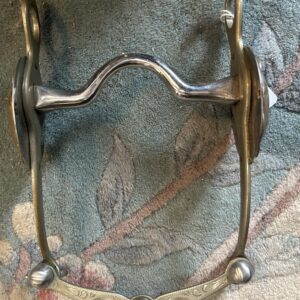
Chifney Straight Mouth Bit – Brass Attaches to the halter. Used for more control when training horses. This anti-rearing bit is made of stainless steel and is therefore designed never to bend, rust or break. It has a straight un-ported mouthpiece which makes it more suitable for youngsters and horses with sensitive mouths.
Korsteel Oval Link/Lozenge Loose Ring Snaffle Bit, 5.5″
Thick, kind, double-jointed Oval Mouth Loose Ring with curved bars, eliminates “nutcracker” tongue pinching, and encourages the horse’s chewing motion.
The Baucher French Link bit is a specialized, stable training bit featuring a double-jointed, center-linked mouthpiece (French link) for even, mild pressure across the tongue and bars. It is recognized by its unique upper cheek piece, that attaches directly to the bridle, reducing movement and offering slight poll pressure, which helps encourage a lower, more consistent, and relaxed frame.
The Hollow Mouth Eggbutt Snaffle Bit provides a thick mouth, but without the weight that would otherwise be provided by a solid, thick mouth. The cheeks provide sideways stability in the horse’s mouth.
Two ring cheeks allow adaptable poll pressure and leverage on the mouthpiece. The French link mouthpiece lays flat across the tongue, not to disturb the palate.
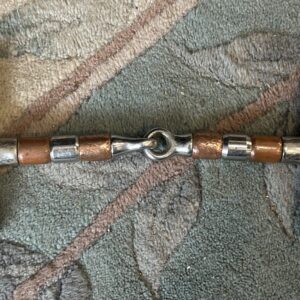
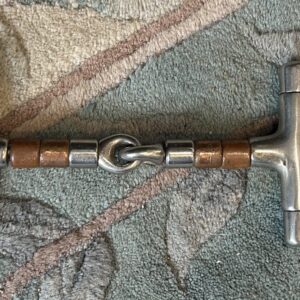
This bit offers flexible control ideal for strong, forward-going horses. Its unique Waterford mouthpiece features multiple smooth, rounded links that create gentle pressure points to discourage leaning and pulling. The D-ring design enhances lateral control where added guidance is needed.