Horse Electrolytes: A Complete Guide for Fall Riding
As summer gives way to fall in New England, cooler mornings and shorter days can make hydration seem less important. However, horses can continue losing fluids and essential minerals through sweat during September trail rides, training sessions, competitions, and unexpectedly warm afternoons. Hydration for horses is a crucial part of keeping the motility of the horse’s digestive system running correctly, so even if horse’s aren’t actively sweating, they still need to have a large enough water intake. Horse electrolytes remain an important part of a horse’s nutrition and hydration strategy even after the hottest days of summer have passed.
Understanding how electrolytes work and when your horse may need additional support can help you maintain proper hydration as temperatures begin to change.
Why Horse Electrolytes Matter Beyond Summer
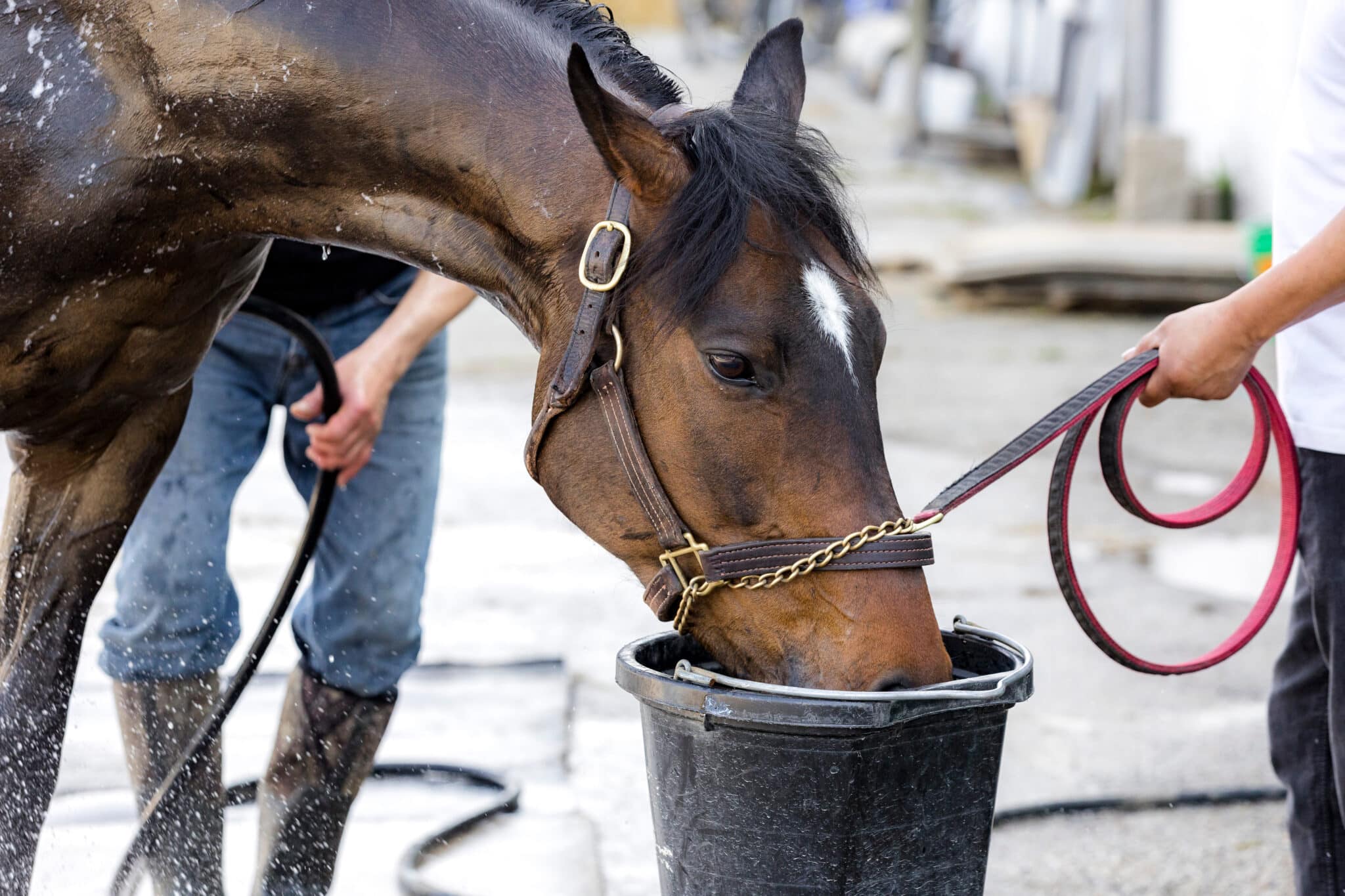
Sweat isn’t just water. Horses also lose important electrolytes, including sodium, chloride, and potassium, when they sweat. These minerals support important functions throughout the body, including fluid balance, muscle function, and normal nerve activity.
Because sweating and the need for good hydration doesn’t suddenly stop when September arrives, horse electrolytes remain useful throughout fall and winter.
A cool New Hampshire morning can easily turn into a warm afternoon. Horses participating in demanding exercise can also sweat considerably even when outside temperatures feel comfortable to their riders.
Horse Electrolytes and Fall Riding
The amount a horse sweats depends on more than temperature. Exercise intensity, humidity, fitness level, coat length, and individual metabolism can all influence fluid and electrolyte losses.
Trail Riding
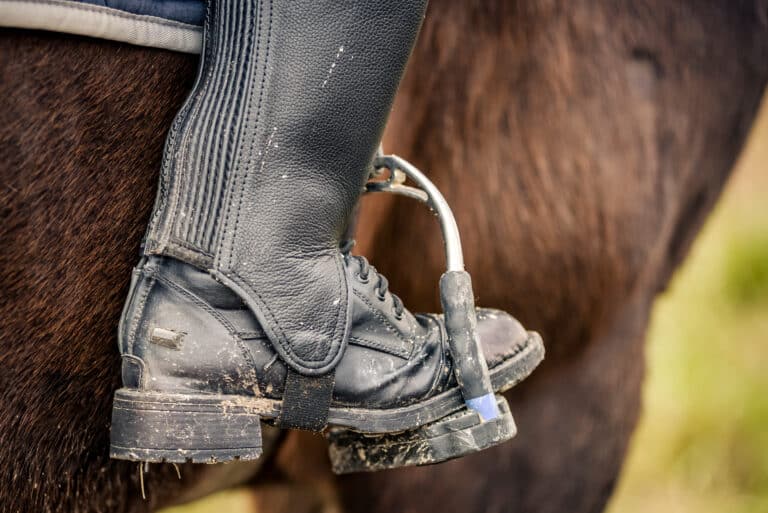
September and early fall can be ideal times for trail riding throughout New England. Longer rides, hills, and sustained exercise may cause significant sweating even during relatively cool weather.
For horses working consistently, electrolytes for horses may help replace minerals lost through sweat when used appropriately.
Training and Competitions
Fall horse shows and competitions can involve transportation, unfamiliar surroundings, prolonged exercise, and changes in normal drinking habits. These factors make horse hydration particularly important.
Depending on workload and sweat loss, electrolytes may be incorporated into a horse’s nutrition plan during training or competition.
Watch Your Horse’s Water Consumption
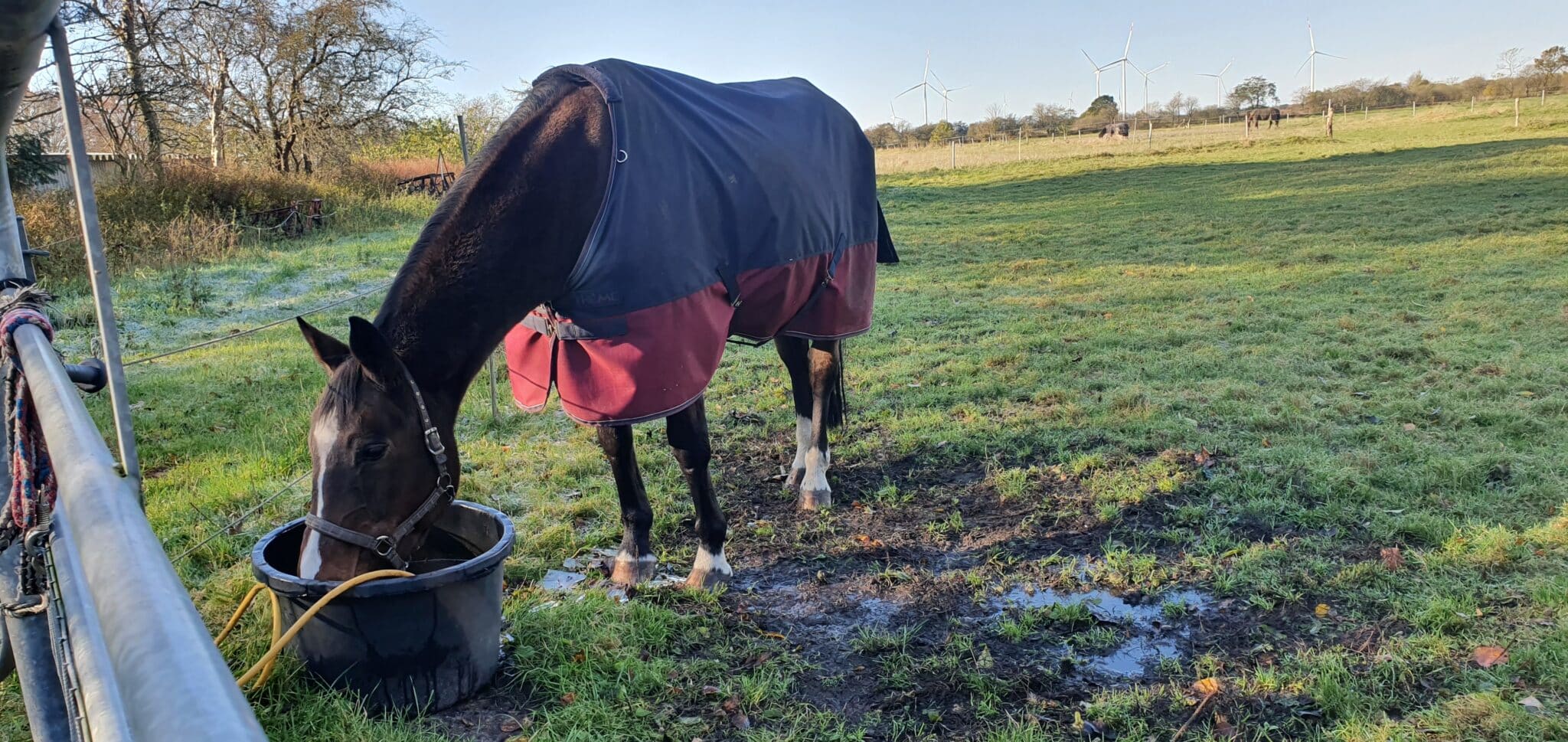
Using horse electrolytes doesn’t replace the need for water. Horses should always have access to clean, fresh water, and owners should continue monitoring water consumption as temperatures fall.
One concern during cooler weather is that horses may drink less as temperatures decrease. Owners may also become less focused on hydration because the obvious heat of July and August has disappeared.
Pay attention to your horse’s normal drinking habits. Changes in water consumption, exercise level, diet, or behavior deserve attention regardless of the season.
When Are Horse Electrolytes Appropriate?
Not every horse needs additional electrolyte supplementation every day. A horse’s individual requirements depend on diet, activity, environment, health, how much water they consume, and the amount of sweating occurring.
Horse electrolytes may be worth discussing with your veterinarian or equine nutrition professional when your horse:
- Sweats heavily during exercise
- Participates in long trail rides
- Travels regularly for competitions
- Works during warm or humid fall weather
- Has increased training demands
- Experiences significant fluid and electrolyte losses
- Has a decrease in water consumption
When considering electrolyte supplements for horses, review your horse’s entire feeding program first. A balanced diet may already provide some of the necessary minerals.
Choosing Electrolyte Supplements for Horses
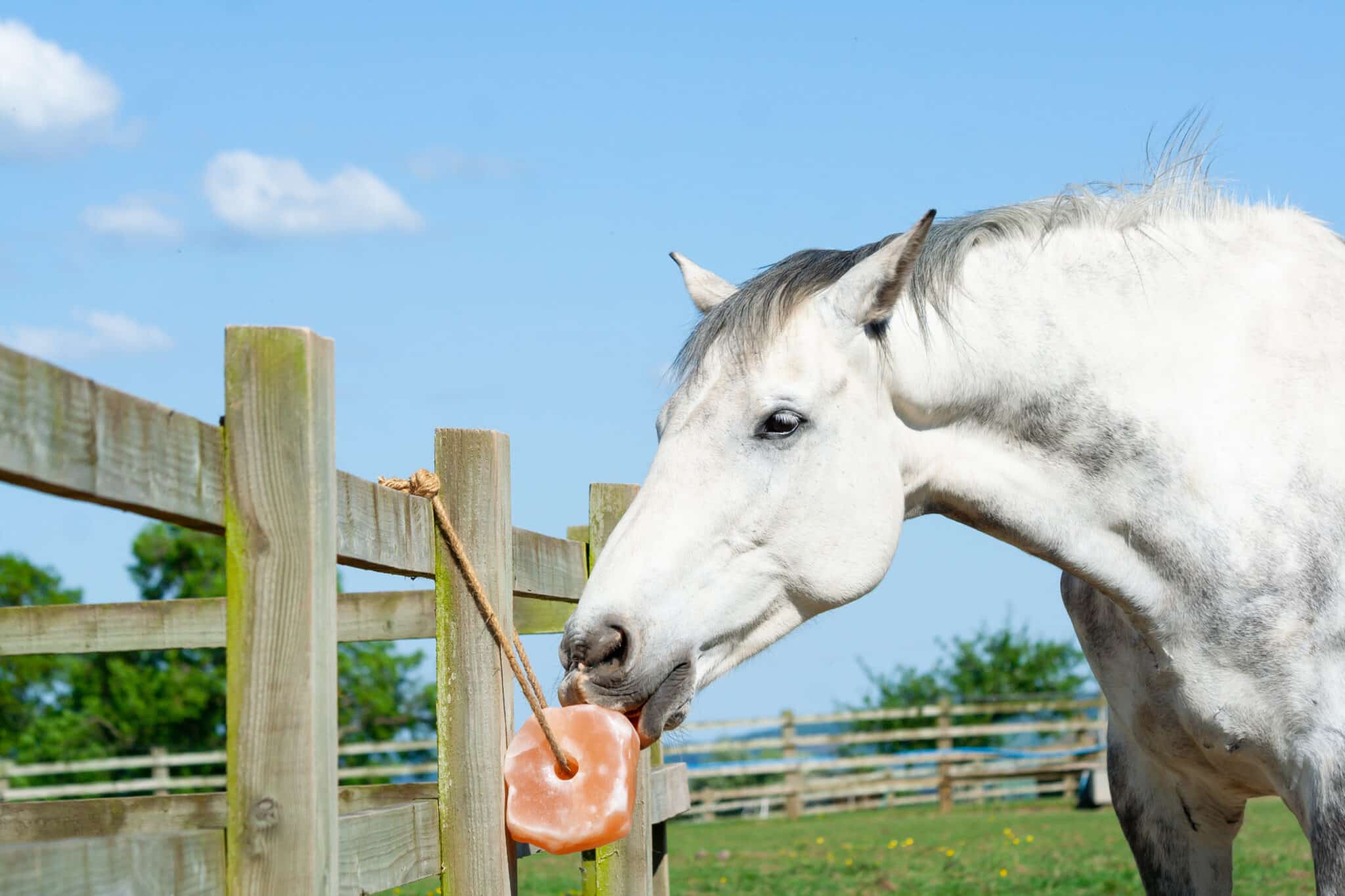
There are many equine electrolytes available, including powders, pastes, and other formulations. Rather than choosing solely based on convenience, consider your horse’s workload, existing diet, and individual needs.
Read product labels carefully and follow manufacturer feeding instructions. Providing more electrolytes than necessary isn’t better.
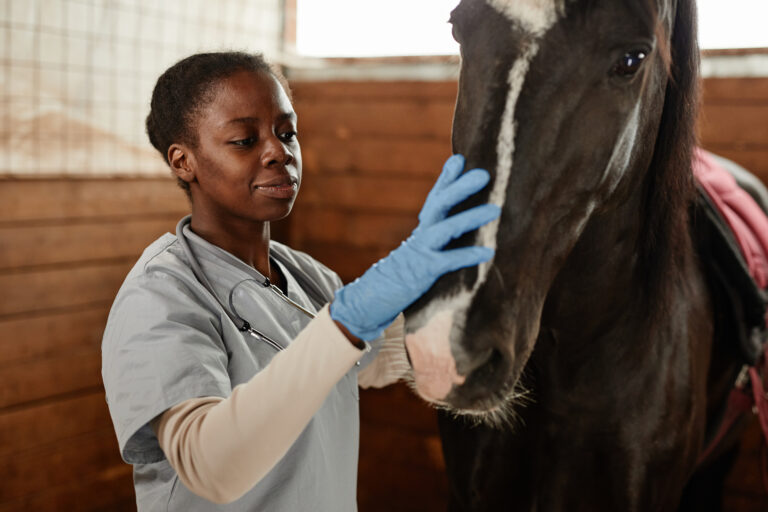
If you’re uncertain about your horse’s requirements, consult your veterinarian or qualified equine nutrition professional before making significant changes.
Supporting Horse Hydration During a New England Fall
September weather in New England can change quickly. Maintaining good horse hydration habits through these fluctuations can help support horses transitioning into cooler weather.
Continue providing fresh water, monitor sweating after exercise, and pay attention to changing workloads. If your horse is still sweating significantly, don’t assume that horse electrolytes are only a summertime consideration.
Find Horse Care Essentials at The Trainer’s Loft
At The Trainer’s Loft, we understand that horse care changes with the seasons. Our selection of horse electrolytes, equine electrolytes, supplements, feed, and other horse care essentials can help owners prepare for changing New England seasons. Whether you are heading out for a September trail ride or continuing a busy competition schedule, The Trainer’s Loft can help you find products suited to your horse’s needs.
Frequently Asked Questions
Do horses need electrolytes when the weather is cool?
It is possible. Horses that continue sweating during exercise may continue losing electrolytes regardless of cooler temperatures. Workload and sweat loss are more useful considerations than season alone.
Should electrolytes for horses be given every day?
Not necessarily. The appropriate frequency depends on the horse’s diet, workload, sweat loss, and individual needs. Consult your veterinarian or equine nutritional professional when determining a supplementation plan.
Do horse electrolytes replace water?
No. Electrolytes should never replace access to clean, fresh drinking water for horses. Water remains fundamental to proper horse hydration.
What are common types of equine electrolytes?
Equine electrolytes are available in several forms, including powders and pastes. Different products may contain varying concentrations of minerals, so owners should review labels and feeding instructions carefully.
Keep Hydration in Mind as Temperatures Drop
September may signal the end of summer in new England, but it doesn’t necessarily signal the end of sweating. Trail riding, training, competitions, and occasionally warm days can continue creating fluid and mineral losses. By monitoring water consumption, workload, and sweat levels, horse owners can determine when electrolytes may still have a place in their fall care routine. Proper hydration and thoughtfully selected electrolyte supplements for horses can help support horses as New England transitions into cooler weather.