Horse Halter Guide: How to Choose the Right One
A horse halter is one of the most frequently used pieces of equipment in any barn. From catching and leading to grooming, trailering, and everyday handling, the right halter can make working with your horse safer and more comfortable. With leather, nylon, and rope options available, however, choosing the right style requires more than finding a color you like.
The best halter depends on how you plan to use it, your horse’s size, and the level of control or comfort you need. Understanding the differences between common halters for horses can help you choose equipment suited to both horse and handler.
Why Choosing the Right Horse Halter Matters
A properly selected horse halter should provide reliable control without causing unnecessary pressure or discomfort. Poorly fitting equipment can rub, pinch, shift, or place pressure in the wrong areas.
Before purchasing a halter, consider its primary purpose. A halter used for everyday barn chores may have different features than one selected for training, showing, or trailering.
Leather, Nylon, and Rope Halters for Horses
Three of the most common options are leather, nylon, and rope. Each has advantages depending on its intended use.
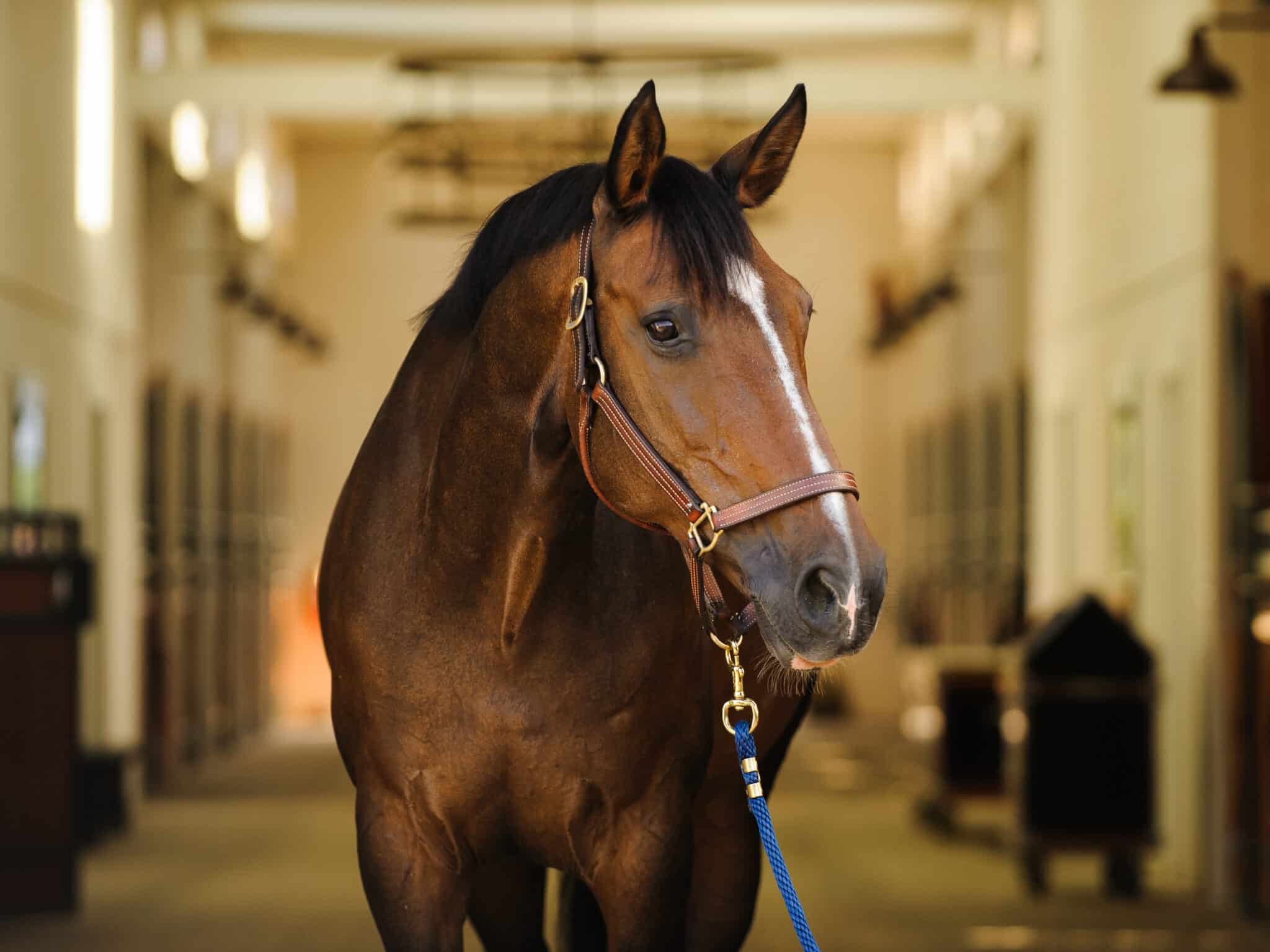
Leather Horse Halter
A leather halter provides a traditional appearance and is commonly used around barns, during transportation, and at shows. Quality leather can become increasingly comfortable as it softens with use.
Leather requires regular cleaning and conditioning to remain supple and in good condition. Owners should inspect stitching, buckles, and worn areas regularly.
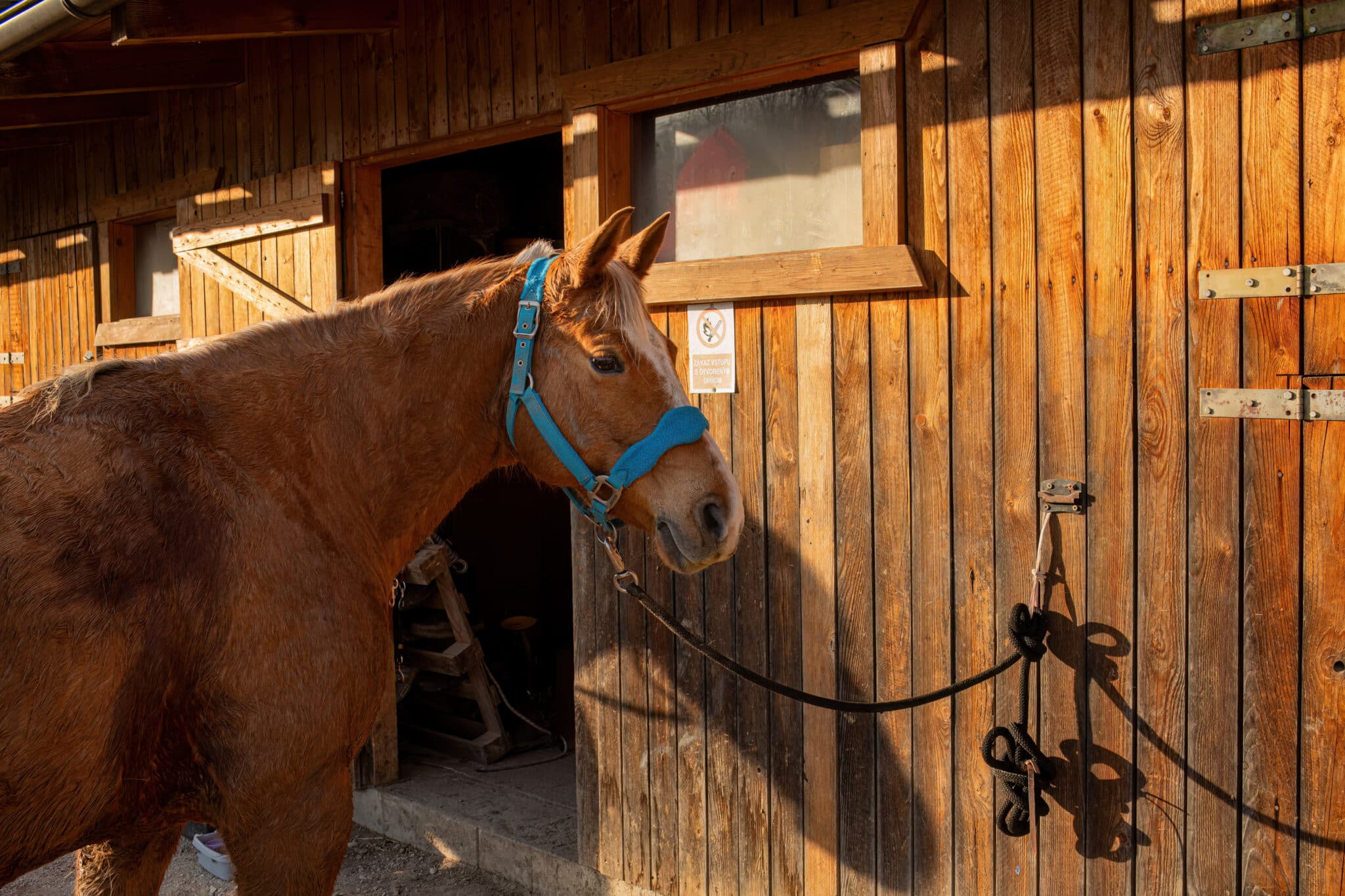
Nylon Horse Halter
Nylon halters for horses are popular for everyday use because they are durable, affordable, and easy to maintain. They are available in many sizes, styles, and colors.
Some designs feature adjustable crowns and nosebands, making it easier to achieve an appropriate fit. Some designs feature a leather poll strap that will break under pressure in case a horse becomes hung up on something. Still others have a breakaway leather piece at the buckle. Because nylon is strong, owners should consider when and where the halter will be worn and follow appropriate safety practices. All nylon halters are convertible to breakaway with the use of the little leather piece at the buckle. At The Trainer’s Loft, we are happy to help you convert your nylon halter.
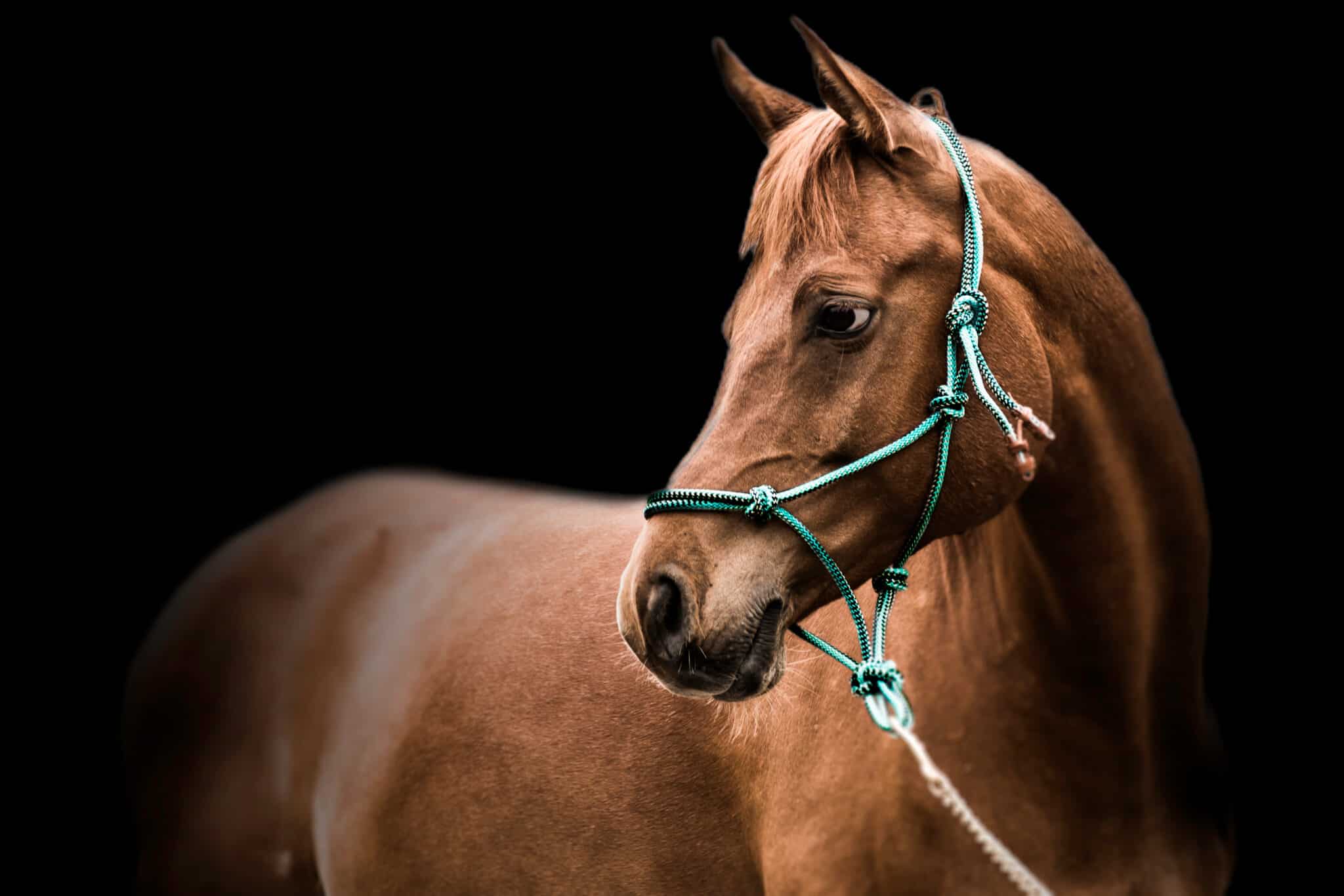
Rope Horse Halter
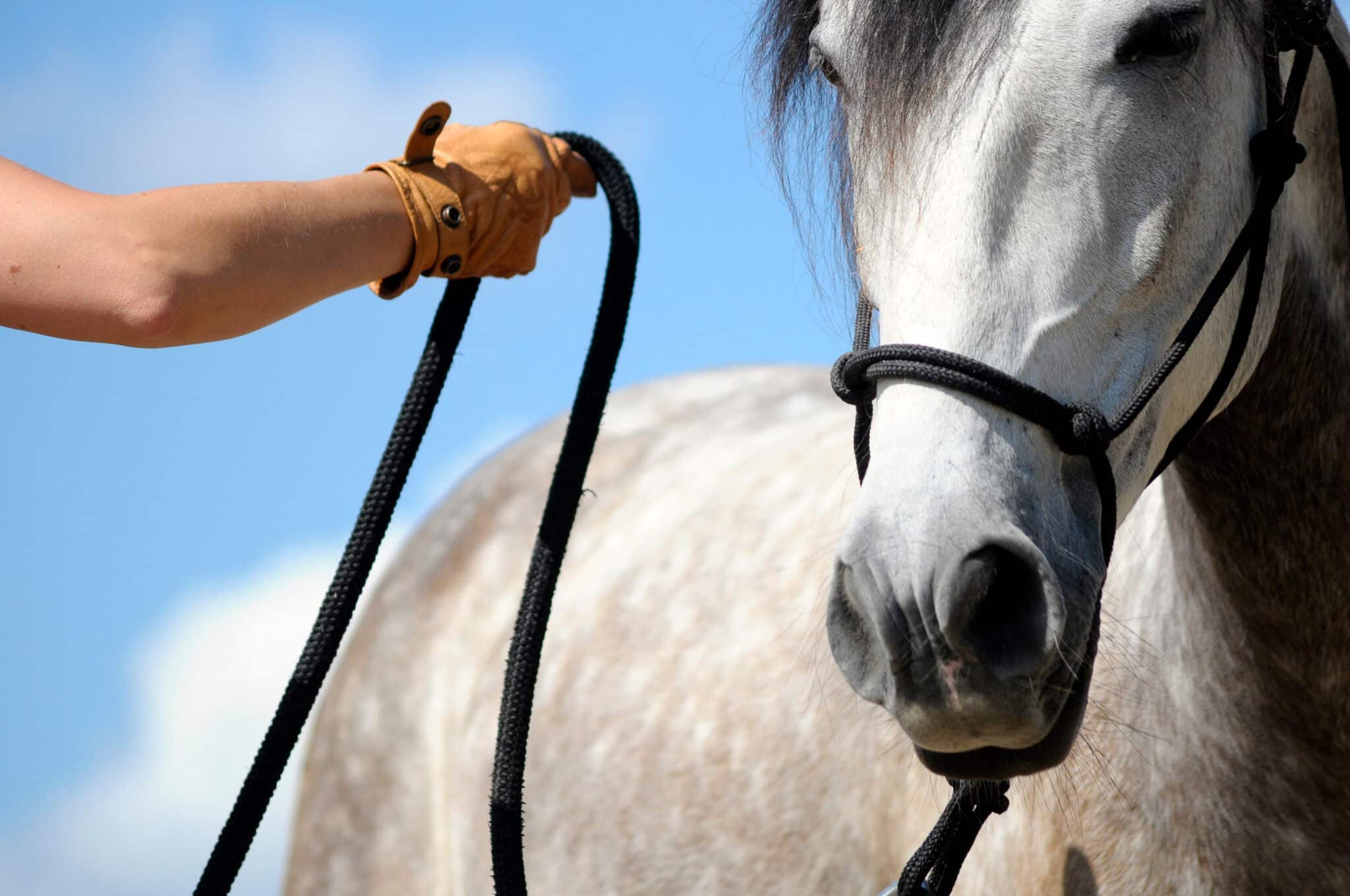
A rope horse halter is commonly associated with groundwork and training. Its thinner construction can create more concentrated pressure than a wider flat halter, so proper handling and fit are particularly important.
At The Trainer’s Loft, we offer hand tied rope halters that can be custom made for your horse. Speak with us about sizing and color options!
How Should a Horse Halter Fit?
Even the best halter won’t perform properly if it doesn’t fit correctly.
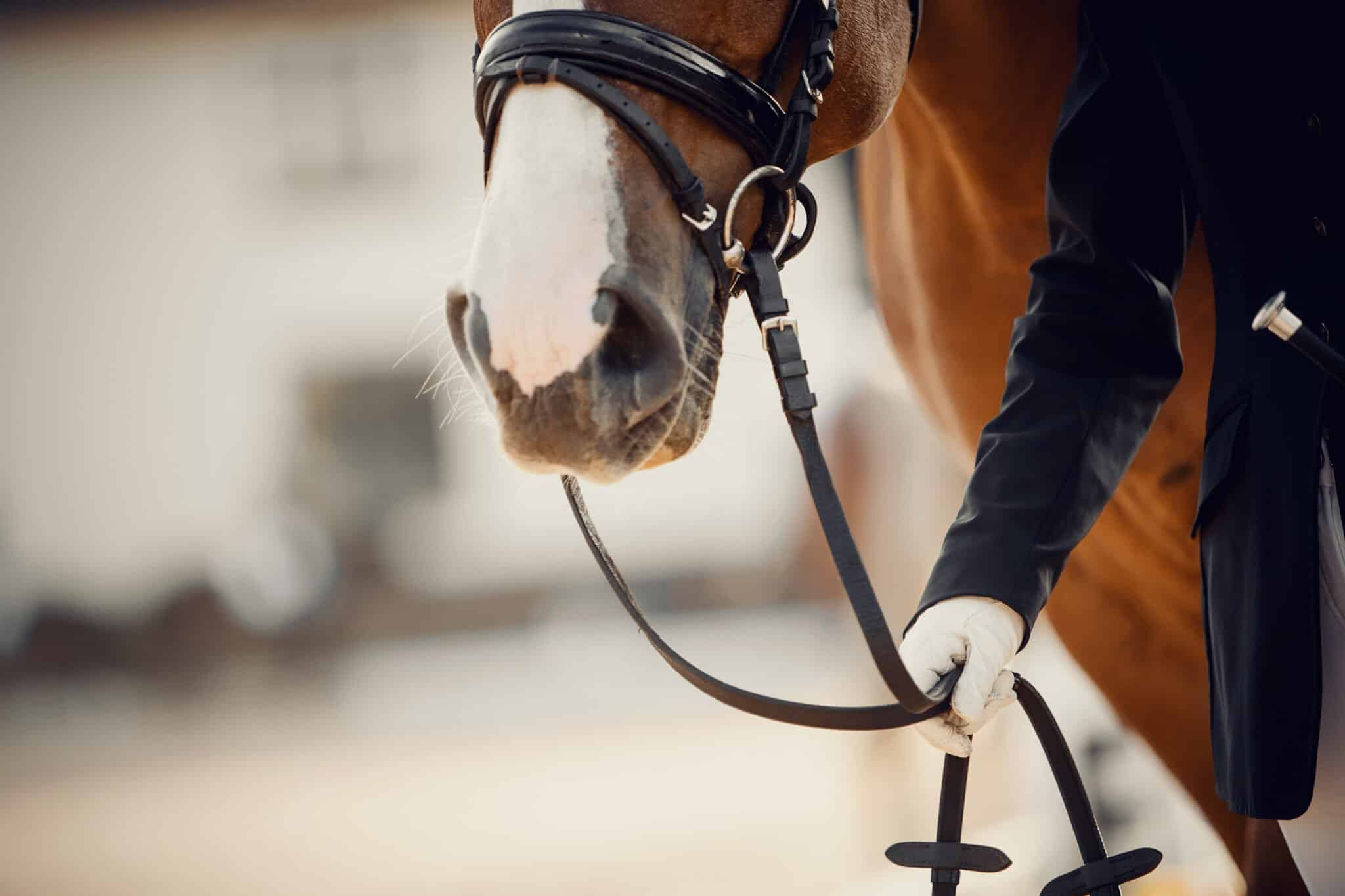
The noseband should sit comfortably on the horse’s face rather than hanging extremely low or interfering with the nostrils. The crownpiece should fit securely behind the ears, and the cheekpieces should lie comfortably along the sides of the face.
Check that your horse halter isn’t excessively tight or loose. You should also inspect the fit periodically because horses can change shape with age, conditioning, and weight fluctuations.
Choosing a Horse Halter for Different Activities
Matching your equipment to the activity can help you determine which style makes most sense.
Everyday Barn Handling
For routine leading, grooming, and handling, many owners choose an adjustable leather or nylon horse halter. Comfort, durability, and easy adjustments are important considerations.
Groundwork and Training
A properly fitted rope horse halter may be selected for certain groundwork exercises because it provides more precise communication. Riders should understand how the equipment works before incorporating it into training.
Trailering and Travel
When choosing a horse halter for transportation, consider fit, construction, hardware, and how easily the halter can be managed during loading and unloading. For safety during transportation, use a leather or a halter incorporating breakaway components.
Horse Halter Safety Considerations
Halter safety deserves as much attention as fit and material. Horses can catch equipment on fences, gates, feeders, or other objects.
Avoid leaving a halter on unattended without considering the environment and potential entanglement hazards. Turnout practices should be evaluated individually, and owners who need a turnout halter should consider products specifically designed with breakaway features.
Inspect your halter regularly. Damaged hardware, weakened stitching, frayed rope, or deteriorating leather are signs that replacement may be necessary.
Find Halters and Horse Tack at The Trainer’s Loft
At The Trainer’s Loft, horse owners can find halters for horses along with horse tack, grooming supplies, riding apparel, and other essentials for everyday horse care. Whether you need a dependable barn halter, a leather halter, or equipment for training and handling, selecting quality tack that fits your horse and intended use can make a difference. Our knowledgeable team is ready to assist you!
Frequently Asked Questions About Horse Halters
What is the best halter for everyday use?
The best horse halter depends on the individual horse and situation. Adjustable leather and nylon halters are popular choices for routine barn handling because they combine comfort, durability, and convenience.
How do I know if a horse halter fits correctly?
A halter should sit securely without pinching, rubbing, interfering with the nostrils, or hanging excessively loose. Check the crownpiece, noseband, and cheekpieces for proper positioning.
What is a rope horse halter used for?
A rope horse halter is commonly used for groundwork and training. Because thinner rope can create concentrated pressure, it should be fitted and used correctly.
Should horses wear halters during turnout?
Leaving a halter on an unattended horse can create entanglement risks. If turnout requires a halter, use equipment designed with appropriate safety or breakaway features.
Choosing the Best Halter for Your Horse
Choosing the right horse halter comes down to fit, purpose, construction, and safety. Leather, nylon, and rope each offer different advantages, so there isn’t one option that works best for every situation. By matching the halter to your horse and how you intend to use it, you can create a safer, more comfortable setup for everyday handling, training, travel, and life around the barn.