Horse Blankets: 7 Critical Factors to Consider Before Buying
Choosing the right horse blankets is an important part of keeping your horse comfortable and protected throughout the fall, winter, and spring. With so many styles, materials, and insulation options available, finding the best blanket can feel overwhelming. Whether it’s lightweight turnout sheets or insulated stable blankets, each type serves a different purpose depending on your horse’s environment, activity level, and individual needs.
For horse owners in New Hampshire and throughout New England, changing weather conditions make having the right equipment especially important. Understanding the differences between horse blankets, including waterproofing, fill weights, sizing, and durability, can help you make a more informed purchase.
Whether you’re replacing an older blanket or rebuilding your horse’s blanket collection, these seven tips will help you choose practical and reliable protection as we get into the winter months ahead.
1. Understand the Different Types of Horse Blankets
Before purchasing horse blankets, consider where and how they will be used. Two of the most common categories are turnout blankets and stable blankets.
Turnout Blankets for Horses
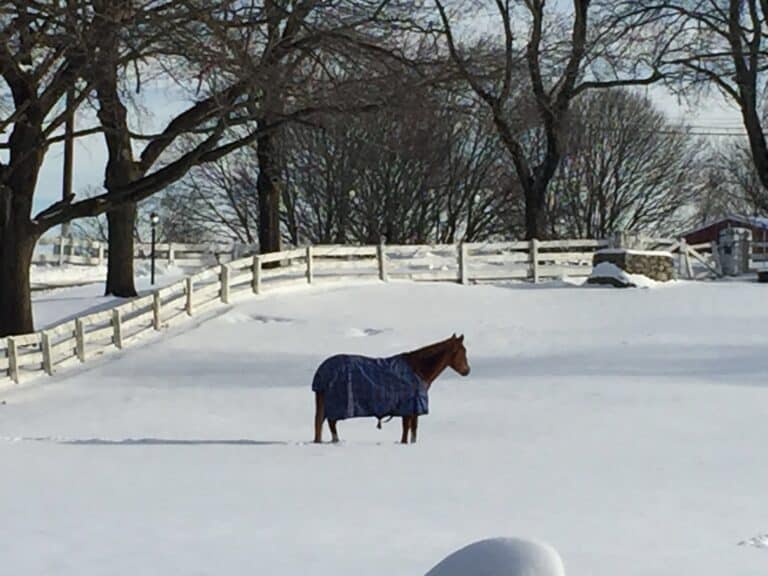
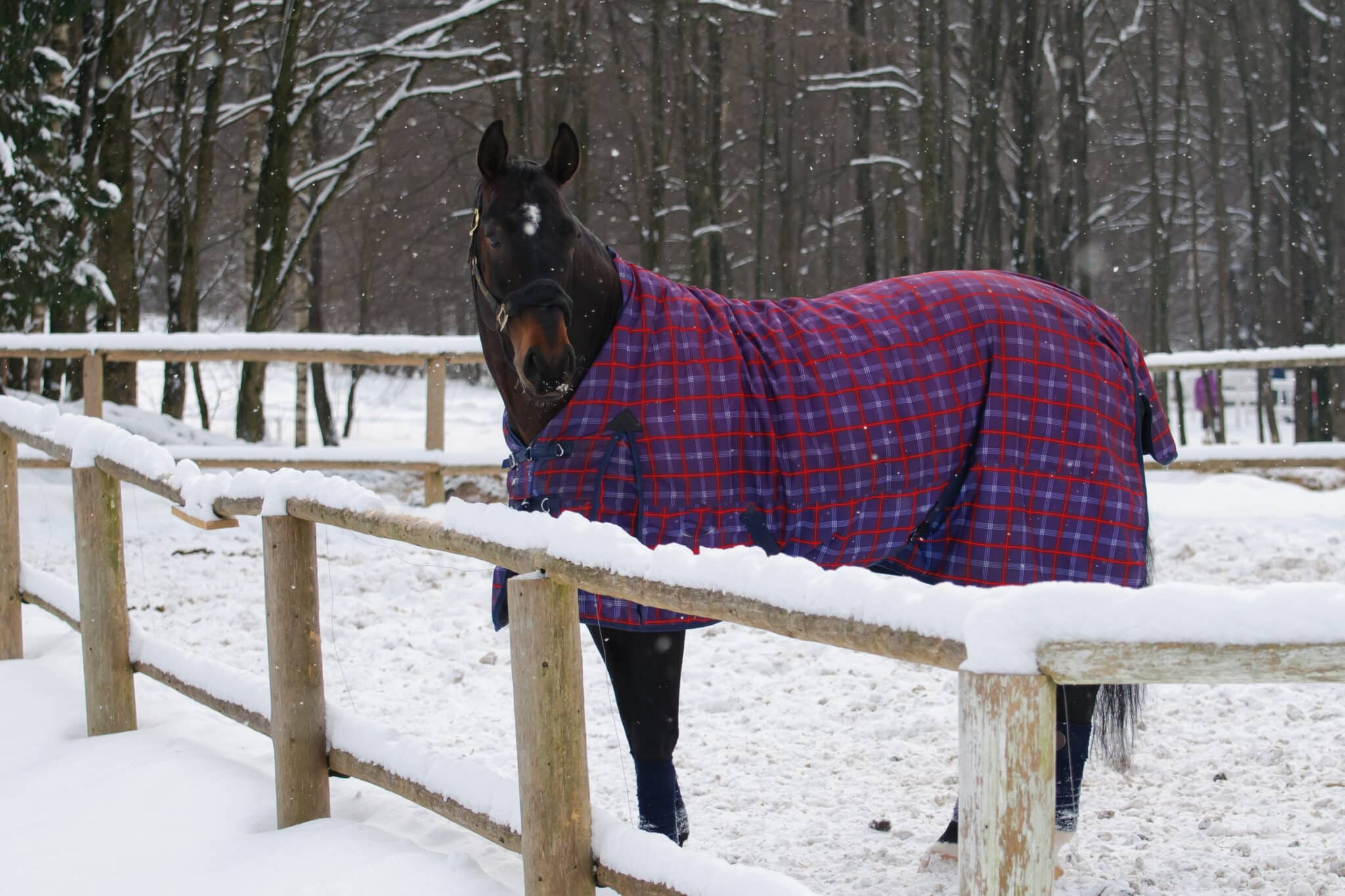
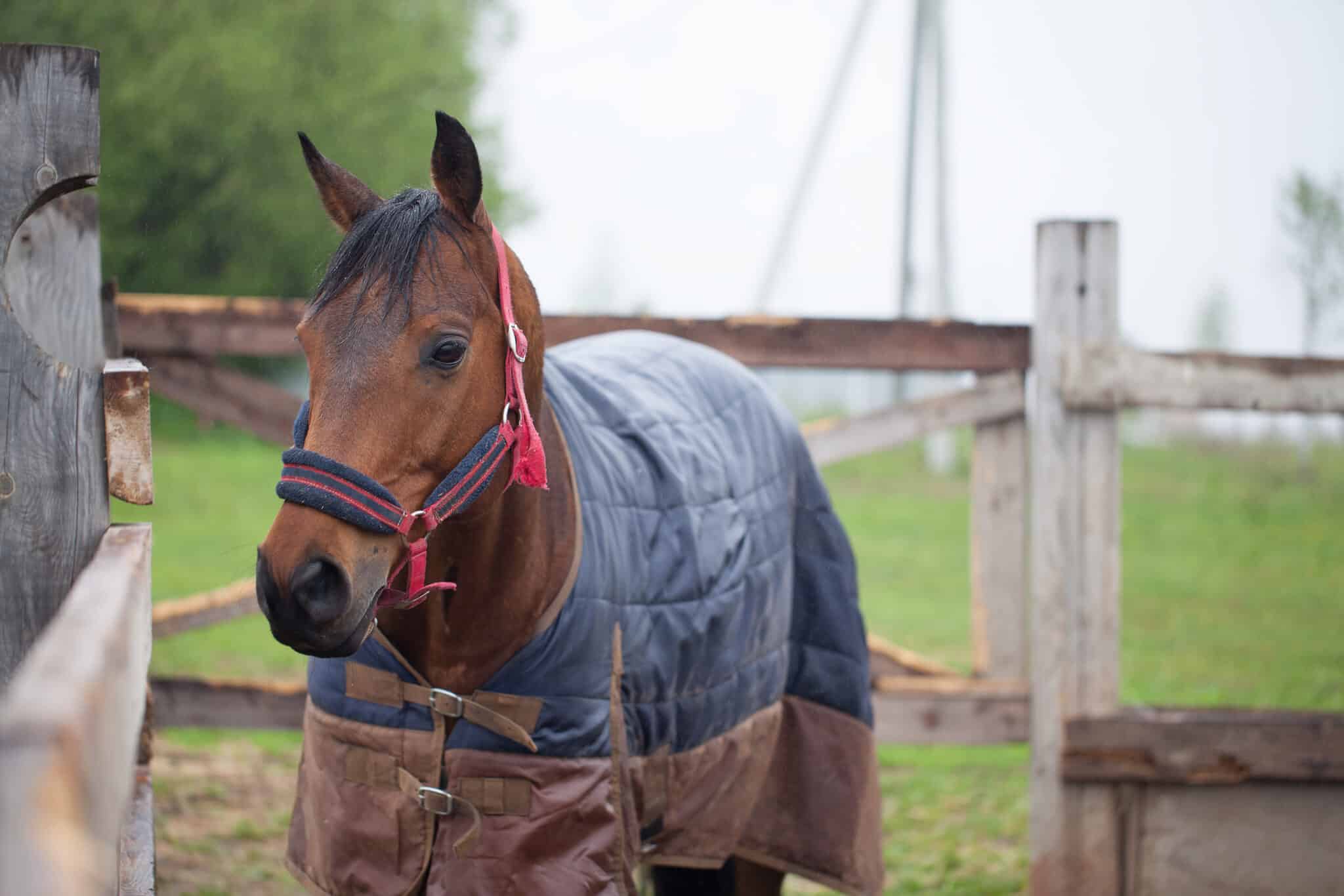
Turnout blankets for horses are designed for outdoor use and typically feature durable, waterproof outer materials. They help protect against rain, snow, wind, and muddy conditions.
Many turnout blankets also include tail flaps, adjustable closures, and secure belly straps and leg straps to help keep them positioned during movement.
For horses spending significant time outdoors, choosing a turnout blanket designed for the expected weather conditions is particularly important.
Stable Blankets for Horses
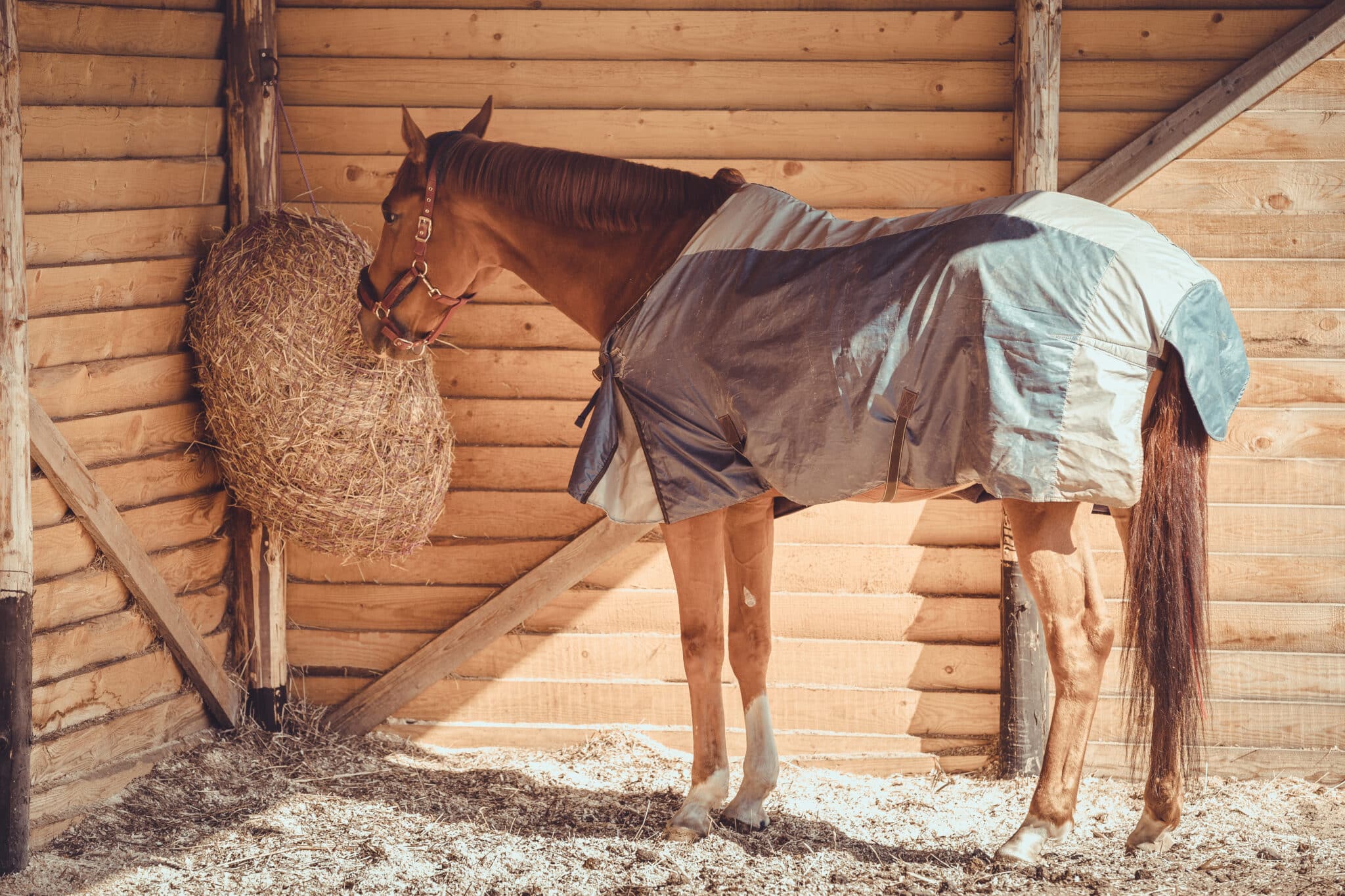
Stable blankets for horses are intended primarily for indoor use. They often feature softer materials and varying levels of insulation but generally lack the waterproof protection and rugged materials needed for wet outdoor conditions.
Stable blankets may be appropriate for horses spending time in sheltered environments where rain and snow exposure are not concerns, but they are not as resistant to rips and tears, as the material used for them is much less durable.
Understanding these differences helps you select a blanket that is best suited to your horse’s daily routine.
2. Compare Waterproof and Water-Resistant Horse Blankets
Not all horse blankets offer the same level of moisture protection.
A waterproof horse blanket is designed to prevent rain and snow from penetrating the outer material under its rated conditions. This makes waterproof turnout blankets a practical choice for horses exposed to wet weather.
Water-resistant blankets, on the other hand, may repel light moisture but are not necessarily designed for prolonged exposure to heavy rain.
When comparing materials, pay attention to:
- Waterproof ratings and manufacturer specifications
- Breathability and moisture management
- Seam construction and protective coatings
- Intended use in rain, snow, or dry conditions
A blanket advertised as waterproof should still be inspected regularly for wear, damaged seams, or deterioration that could compromise its performance.
3. Choose the Appropriate Horse Blanket Weight
Understanding horse blanket weight is essential when comparing insulation options. Blanket fill is typically measured in grams and indicates the amount of insulating material used. Generally, more fill provides greater insulation, although warmth also depends on construction, fit, and materials.
Common categories include:
- No-fill sheets (0g): Provide coverage without added insulation.
- Lightweight blankets (approximately 50-150g): Offer modest insulation.
- Medium-weight blankets (approximately 150-250g): Provide additional warmth.
- Heavyweight blankets (approximately 300g or more): Designed for greater insulation in colder conditions.
These ranges are general guidelines, and manufacturers may categorize their products differently.
When shopping for horse blankets, remember that fill weight is only one consideration. Your horse’s coat, clipping status, living conditions, and weather exposure also influence which level of insulation may be appropriate.
Having multiple blanket weights available can make it easier to adjust to your horse’s protection as conditions change.
4. Measure Your Horse for the Correct Blanket Size
Proper horses blanket sizing is one of the most important factors in achieving a comfortable, secure fit.
A blanket that is too small can restrict movement, rub against the shoulders, or create pressure points. An oversized blanket may shift, twist, or become caught during normal activity.
How to Measure for Horse Blankets
Most manufacturers recommend measuring from the center of the horse’s chest, along the side of the body, to the center of the tail. However, measurement methods vary between brands.
Before purchasing:
- Use a flexible measuring tape.
- Follow the manufacturer’s recommended measurement points.
- Compare your measurements with the brand’s sizing chart.
- Consider your horse’s body shape and shoulder width.
- Check the fit once the blanket is properly fastened.
- Consider your horse’s individual conformation, including withers (high or low), back (sway or straight), and shoulders (upright or sloped). These will all play into the style of blanket and fit that your horse will need.
Do not assume your horse will wear the same size across every brand.
Signs of a Properly Fitted Horse Blanket
A well-fitted blanket should allow comfortable movement without excessive shifting.
Check that the chest closures sit correctly, the shoulders have adequate room, and the blanket provides appropriate coverage over the hindquarters. Check also that the blanket does not bind against your horse’s withers.
Belly straps and leg straps should be adjusted according to manufacturer instructions to prevent rubbing or entanglement.
5. Look for Durable Materials and Construction
Durability is especially important for horse blankets used during turnout.
Horses may roll, rub against fencing, interact with pasture companions, or move through brush and uneven terrain. These activities can place considerable stress on blanket materials.
One specification commonly used to describe outer fabric is denier.
Denier measures the linear mass density of fibers used in fabric construction. Higher-denier fabrics are often marketed as more durable, but denier alone does not determine tear resistance or overall quality.
When evaluating durability, consider:
- Outer fabric construction and tear resistance
- Reinforced stitching and seams
- Quality of buckles and closures
- Strength of belly and leg straps
- Manufacturer warranty and repair options
A durable blanket may cost more initially but provide better long-term value when properly maintained.
6. Consider Features That Improve Comfort and Function
Modern horse blankets include a variety of design features intended to improve fit, movement, and everyday convenience.
Shoulder Gussets and Freedom of Movement
Shoulder gussets provide additional room around the front legs and shoulders. These features may be particularly useful for horses that move frequently during turnout.
Tail Flaps and Neck Covers
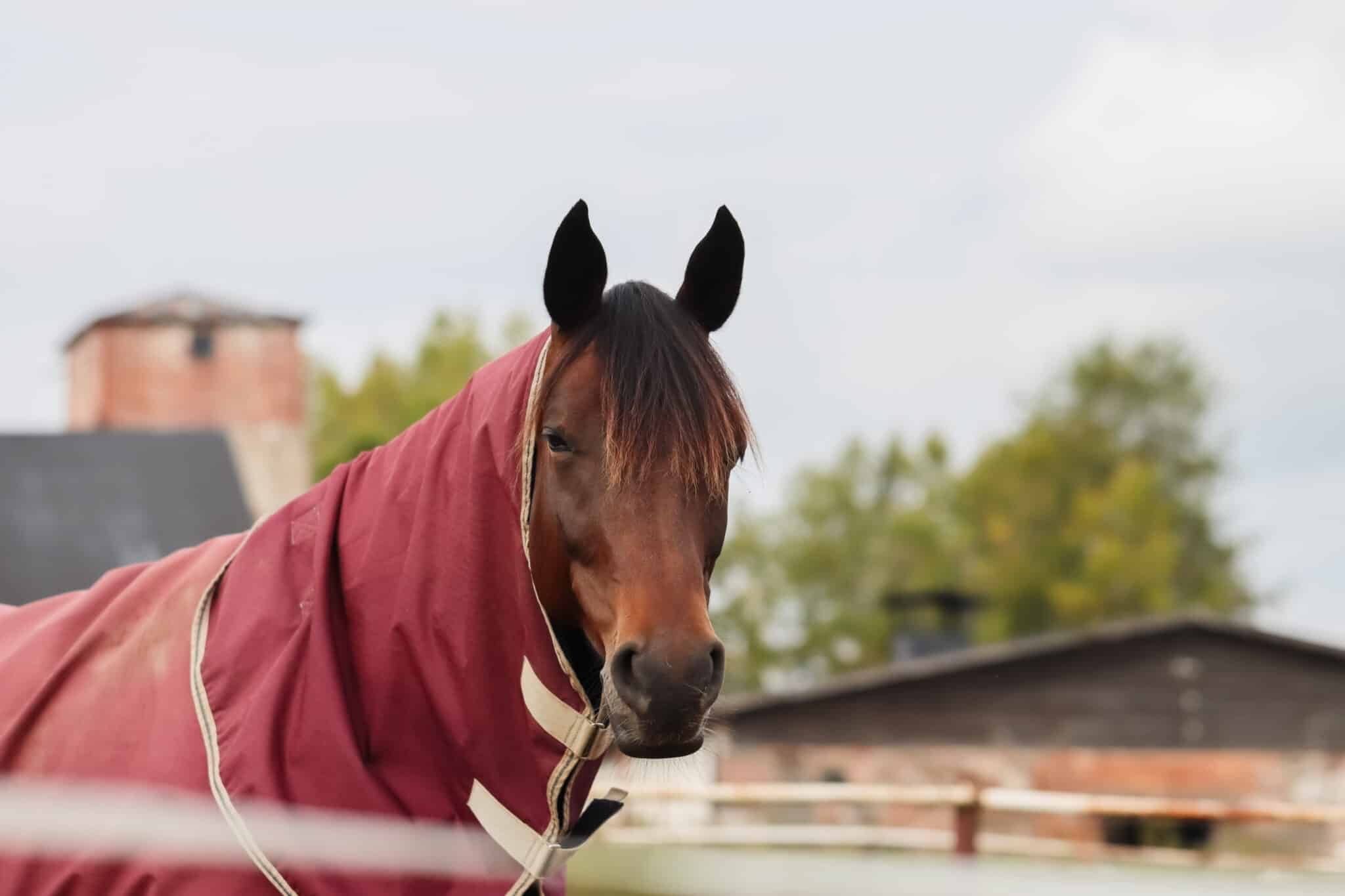
Tail flaps provide additional coverage over the hindquarters, while detachable or integrated neck covers extend protection over the neck.
Not every horse needs these features, so consider your horse’s environment and how the blanket will be used.
Adjustable Closures and Straps
Secure front closures, cross surcingles, and appropriately adjusted leg straps help keep blankets positioned during movement.
When comparing horse blankets, prioritize features that provide a secure fit without creating unnecessary pressure or restricting movement.
7. Match Horse Blankets to Their Intended Use
The best blanket is not necessarily the most expensive or heavily insulated option, but rather, it is the one that meets your horse’s specific needs.
For example, a horse spending most of its time in a sheltered stable may benefit from a different blanket than one turned out for extended periods in wet conditions.
Consider your horse’s typical routine before making a purchase.
A practical collection might include a waterproof turnout sheet, an insulated turnout blanket, and a stable blanket, depending on the horse’s management needs.
When comparing horse blankets, think about how often each will be used, how easily it can be cleaned, and whether you have a backup available when one becomes wet or damaged.
Choosing based on intended use helps avoid purchasing unnecessary features while also ensuring you have appropriate equipment when needed.
Find Horse Blankets and Equestrian Essentials at The Trainer’s Loft
At The Trainer’s Loft, we understand that dependable equipment is important for keeping horses comfortable throughout the changing seasons. Our Tilton, New Hampshire equestrian shop offers a changing selection of new and consignment tack, horse care essentials, grooming supplies, riding apparel, and other barn necessities.
Whether you are shopping for horse blankets, exploring different styles of equipment, or updating your everyday riding supplies, The Trainer’s Loft is a great place to find practical options for you and your horse.
Stop by to browse our current inventory!
Frequently Asked Questions About Horse Blankets
What is the difference between turnout and stable horse blankets?
Turnout blankets are designed for outdoor use and typically feature waterproof materials and durable construction. Stable blankets are primarily intended for indoor environments and generally do not offer the same protection against rain or snow.
How do I know what size horse blanket to buy?
Accurate horse blanket sizing starts with measuring your horse according to the manufacturer’s instructions. Compare those measurements with the brand’s size chart and check the blanket’s fit around the chest, shoulders, and hindquarters.
What does horse blanket weight mean?
Horse blanket weight usually refers to the amount of insulating fill inside the blanket, measured in grams. Higher fill weighs generally provide more insulation, but the appropriate choice depends on your horse’s individual needs and environment.
Are waterproof horse blankets better than water-resistant blankets?
A waterproof horse blanket is generally more appropriate for prolonged outdoor exposure to rain or snow. Water-resistant materials may provide sufficient protection for lighter moisture exposure but can become saturated in wetter conditions.
How often should horse blankets be replaced?
There is no fixed replacement schedule. Inspect blankets regularly for torn fabric, damaged waterproofing, broken closures, worn straps, and other signs of deterioration. Proper cleaning, storage, and repairs can help extend their usable life.
Can horses wear turnout blankets inside the stable?
Yes, many turnout blankets can be worn indoors when appropriate for the horse’s comfort and environment. However, heavier or less breathable blankets may not be suitable in warmer stable conditions. Always monitor your horse for overheating and adjust coverage as needed.
Choosing Horse Blankets with Confidence
Selecting the right horse blankets comes down to understanding your horse’s needs and comparing the features that matter most.
From waterproof materials and insulation to sizing, durability, and comfort, each factor plays an important role in finding a practical blanket for everyday use.
By measuring carefully, evaluating construction quality, and choosing blankets suited to your horse’s environment, you can make a more informed investment in equipment that provides dependable protection throughout the changing seasons.