Winter Horse Blanket: 7 Important Blanketing Tips
As temperatures begin to drop across New Hampshire and New England, horse owners face an annual question: when is it time to put on a winter horse blanket? October can bring warm afternoons, chilly nights, cold rain, and sudden temperature swings, making the answer less straightforward than simply checking the thermometer.
Horses naturally grow winter coats that help insulate them against cold weather, and many healthy horses can remain comfortable without blanketing under the right conditions. However, factors such as body clipping, age, body condition, weather exposure, shelter access, and workload can change a horse’s needs.
Choosing the right winter horse blanket is about helping your individual horse stay comfortable.
When Does a Horse Need a Winter Horse Blanket?
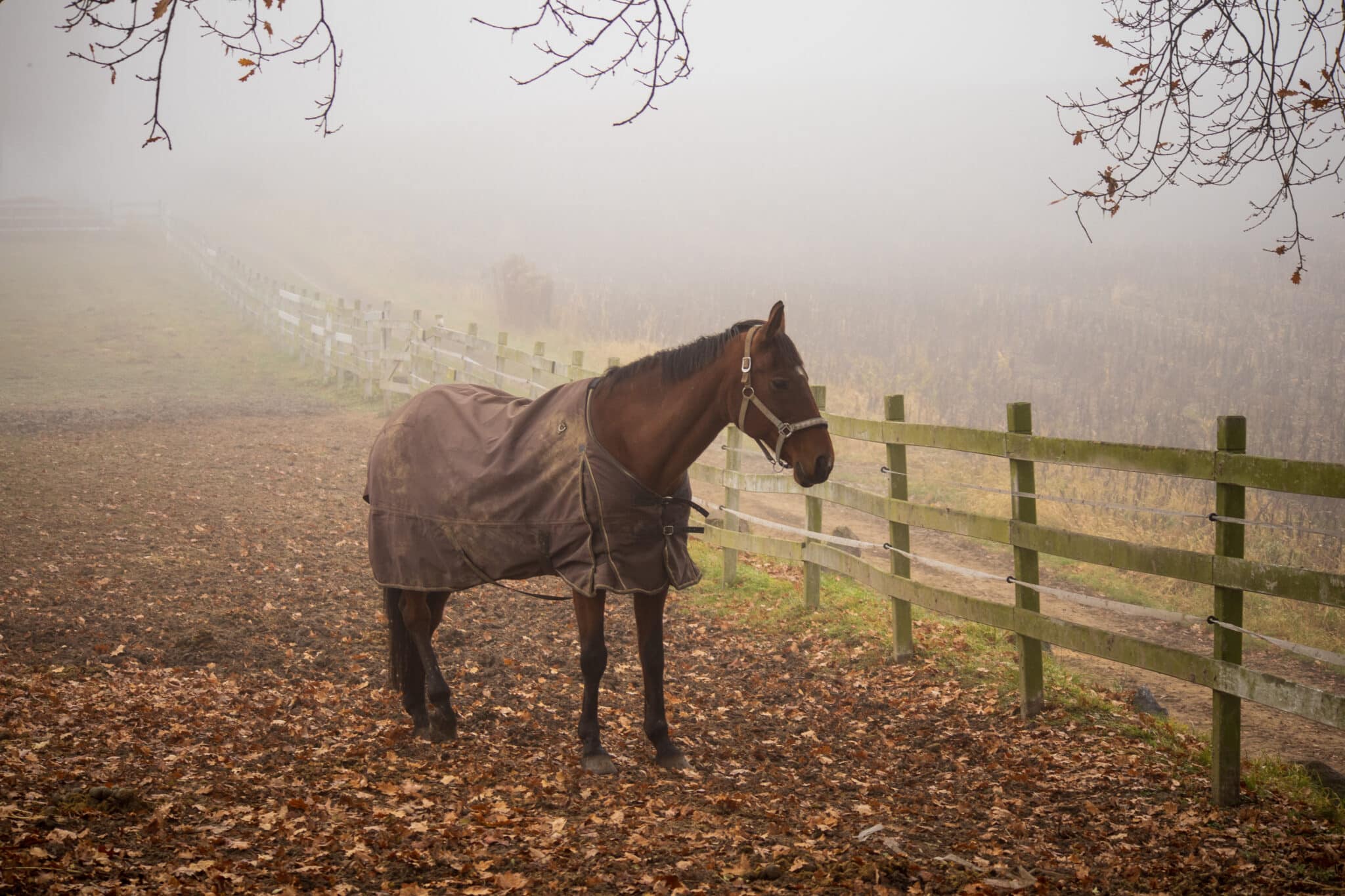
There is no single temperature at which every horse needs to be blanketed. An unclipped, healthy horse with a full winter coat, adequate nutrition, and access to shelter may tolerate cold conditions very differently from a clipped performance horse.
Before reaching for a winter horse blanket, consider your horse’s coat, health, age, living conditions, and the weather forecast. Pay particular attention to precipitation and wind rather than temperature alone.
A cold, dry day may be easier for a horse to handle than a warmer day with heavy rain and strong winds. A horse’s natural coat works by trapping insulating air near the body. When that coat becomes wet and flattened, its insulating ability can be reduced.
Clipped vs. Unclipped Horses
Body clipping is one of the biggest factors affecting whether a horse needs additional protection.
An unclipped horse grows a natural winter coat designed to provide insulation. Depending on the horse and its environment, that coat may provide much of the protection needed throughout the colder months.
Clipped horses have had some or all that natural insulation removed. As a result, a clipped horse may need a winter horse blanket sooner in the season and may require heavier blankets as temperatures decrease.
Performance horses are frequently clipped because a thick winter coat can make them sweat heavily during exercise and take longer to cool and dry. Therefore, owners should consider both exercise and turnout schedules when developing a blanketing routine.
Rain, Wind, and New England Weather
October weather in New Hampshire can change quickly. Temperature alone does not tell the entire story.
Cold rain combined with wind can be particularly challenging because moisture can flatten the horse’s coat while wind removes trapped warm air. Horses without adequate shelter may benefit from additional weather protection even when temperatures are not exceptionally low.
A waterproof horse blanket or turnout sheet can help keep a horse dry during wet conditions. Check blankets regularly to ensure the waterproof layer remains effective, and the horse underneath is dry and comfortable.
Shelter also matters. Horses with reliable access to a dry run-in shed, barn, or other protection from precipitation and prevailing winds may have different blanketing needs than horses spending long periods of time in exposed fields.
Choosing the Right Winter Horse Blanket Weight
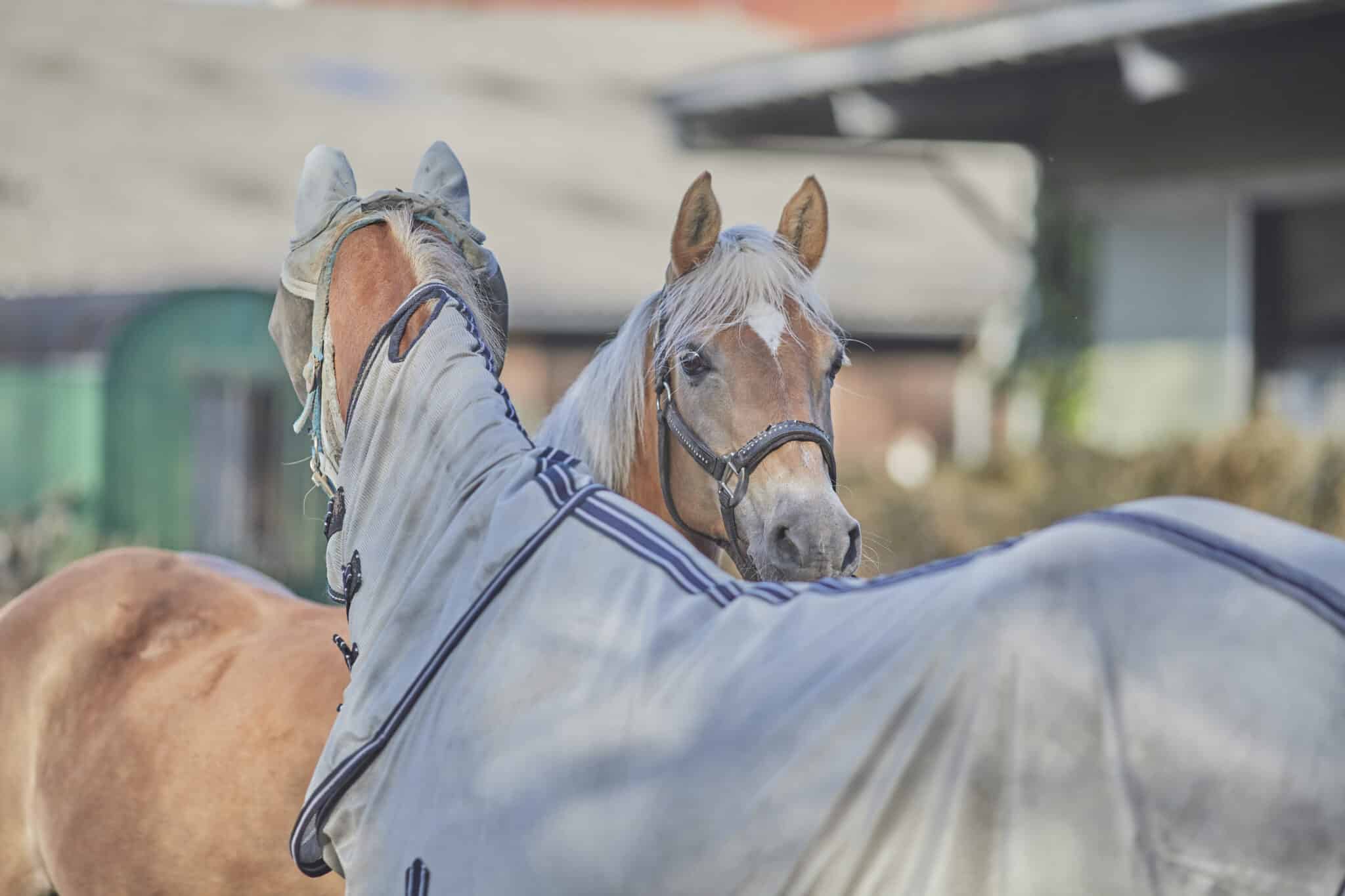
Winter blankets for horses are available in different weights and insulation levels. Rather than using one blanket throughout the entire season, many owners keep several options available so they can adjust to changing conditions.
Lightweight Blankets and Turnout Sheets
Lightweight options provide minimal insulation but can offer useful protection from rain and wind. A waterproof turnout sheet has no insulation and may be appropriate during cool, wet fall weather when substantial insulation is not necessary.
Medium-Weight Winter Blankets
As temperatures continue to fall, a medium-weight winter horse blanket can provide additional insulation. Whether your horse needs one depends on factors such as clipping, coat thickness, shelter, age, body condition, and individual cold tolerance.
Heavy Winter Horse Blanket
A heavy winter horse blanket provides considerably more insulation and may be appropriate during the coldest winter conditions, especially for fully clipped horses or horses that have difficulty maintaining warmth.
More insulation isn’t automatically better. Using a heavy blanket when conditions don’t warrant it will cause a horse to become too warm and sweat underneath the blanket.
Horse Turnout Blanket vs. Stable Blanket
Where your horse spends time should also influence your blanket choice.
A horse turnout blanket is designed for outdoor use and typically features a durable, waterproof, or water-resistant outer shell. Turnout blankets help protect horses from rain, snow, mud, and wind while they are outside. They are also rugged, with the higher deniers built to withstand horses playing with each other during turnout. They may still rip or tear under the right circumstances (really rough play or rubbing against something sharp), but will withstand normal roughhousing.
Stable blankets are intended primarily for indoor environments and generally are not designed to withstand prolonged rain, wet turnout conditions, or play.
If your horse moves between a stall and pasture throughout the day, consider whether blankets need to be changed as conditions and environments change. Always follow the intended use of the blanket.
Avoid Over-Blanketing Your Horse
One of the most important parts of using a winter horse blanket is checking what is happening underneath it.
Don’t assume your horse is comfortable simply because the air feels cold to you. Horses and humans regulate temperature differently, and a horse wearing too much insulation may sweat beneath its blanket.
Regularly slide your hand underneath the blanket around the shoulder, chest, and behind the withers. Your horse should feel comfortably warm and dry – not hot, damp, or sweaty.
Over blanketing can create discomfort and moisture against the skin. During unpredictable fall weather, owners may need to adjust blankets as temperatures change between cold nights and warmer afternoons.
Check Blanket Fit and Condition Regularly
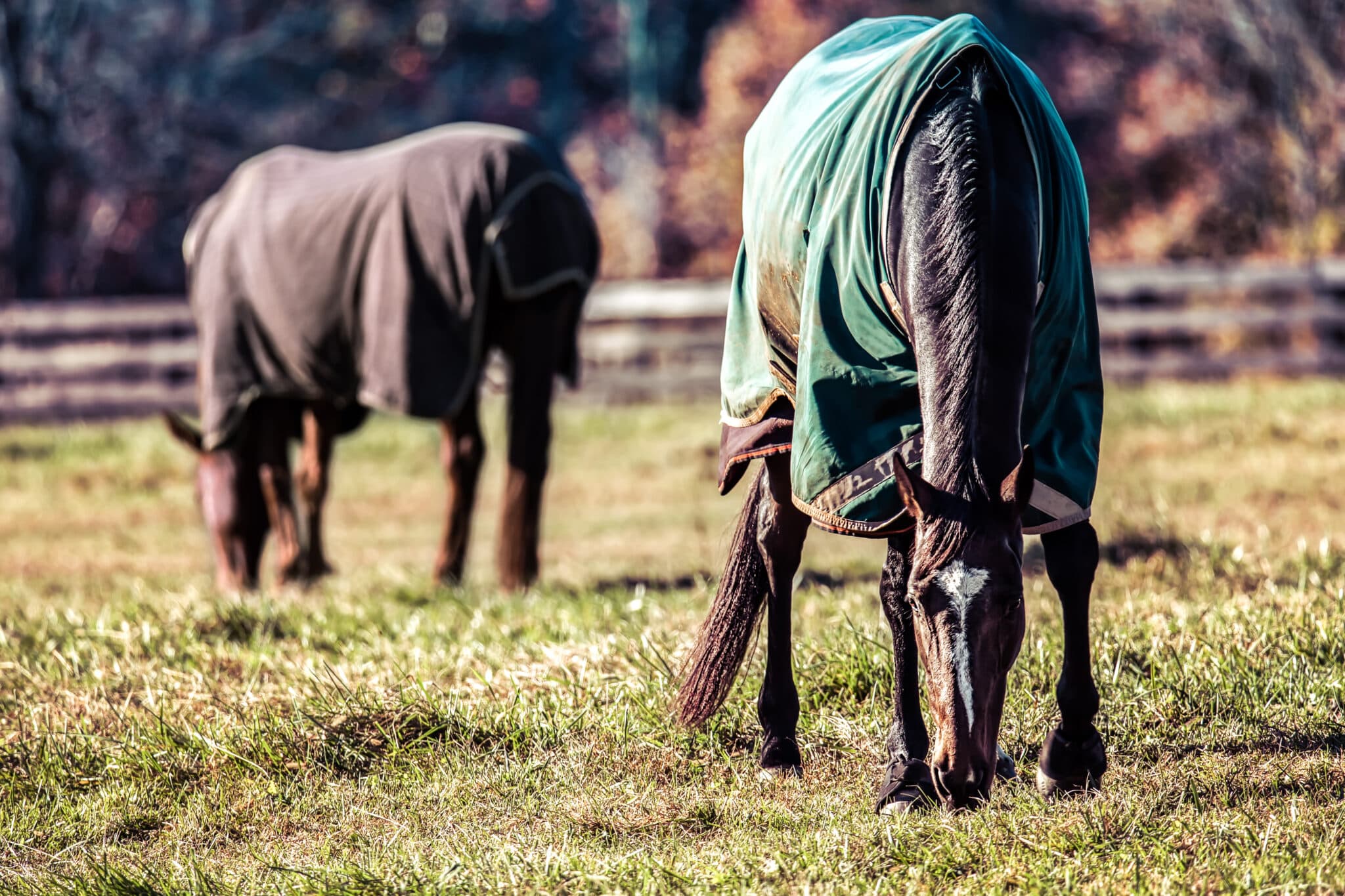
A properly fitted winter horse blanket should allow freedom of movement without excessive shifting, rubbing, or pressure. Check the shoulders, withers, chest, and other contact areas regularly for signs of irritation or hair loss.
Straps and fasteners should also be inspected frequently. Loose or incorrectly adjusted straps can create a safety concern, while overly tight straps may restrict movement. Blankets should remain clean and dry enough to function properly. Inspect waterproof outer layers for damage, especially after turnout.
Preparing for Winter at The Trainer’s Loft
Fall is the ideal time to review your horse’s cold weather equipment before New Hampshire’s winter weather arrives.
The Trainer’s Loft offers horse owners a convenient place to shop for equestrian essentials, horse care supplies, tack, apparel, blankets, and other equipment for the changing seasons. Whether you are preparing for chilly October mornings or the colder months ahead, having the right supplies ready can make seasonal horse care easier.
Visit The Trainer’s Loft to explore quality equestrian products and prepare your horse and barn for the months ahead.
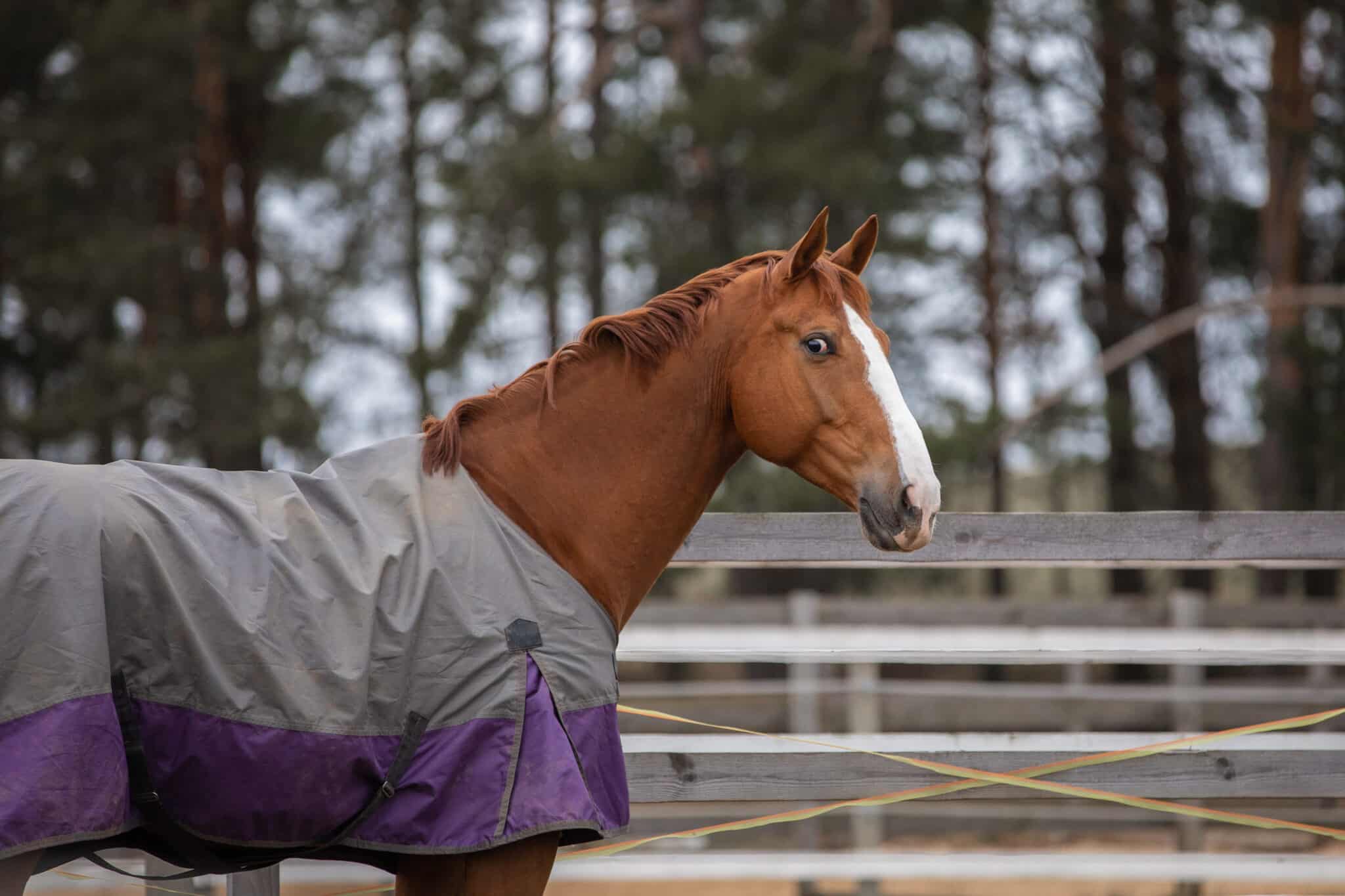
Winter Horse Blanket FAQ
At What Temperature Should I Put a Winter Horse Blanket on My Horse?
There is not one temperature that applies to every horse. Coat thickness, clipping, age, body condition, shelter, precipitation, wind, and individual tolerance should all be considered. A clipped horse may require blanketing earlier than a healthy horse with a full winter coat.
Does an Unclipped Horse Need a Winter Blanket?
Not necessarily. Many healthy, unclipped horses develop substantial winter coats and can remain comfortable in cold weather when they have adequate forage and protection from severe weather. Individual horses and living conditions vary, so regular observation is important.
Should I Blanket My Horse When It Rains?
Consider the combination of temperature, rainfall, wind, coat condition, and shelter access. Chilly rain can reduce the insulation effectiveness of a horse’s natural coat. In appropriate conditions, a waterproof horse blanket or turnout sheet can provide useful protection.
What’s the Difference Between a Horse Turnout and a Stable Blanket?
A horse turnout blanket is designed to withstand outdoor conditions and generally has a more durable, weather-resistant exterior. Stable blankets are primarily designed for indoor use and may not provide adequate protection from rain or wet snow.
How Do I Know if My Horse Is Too Warm Under a Blanket?
Check underneath the blanket regularly. If your horse feels excessively hot, damp, or sweaty, the blanket may be too heavy for the current conditions. Adjusting blanket weight as weather changes can help keep your horse comfortable.
Do Clipped Horses Need Heavier Winter Blankets?
Clipped horses have less natural insulation and commonly require more blanketing than comparable unclipped horses. The appropriate blanket depends on how extensively the horse is clipped, the weather, shelter availability, and the horse’s individual needs.
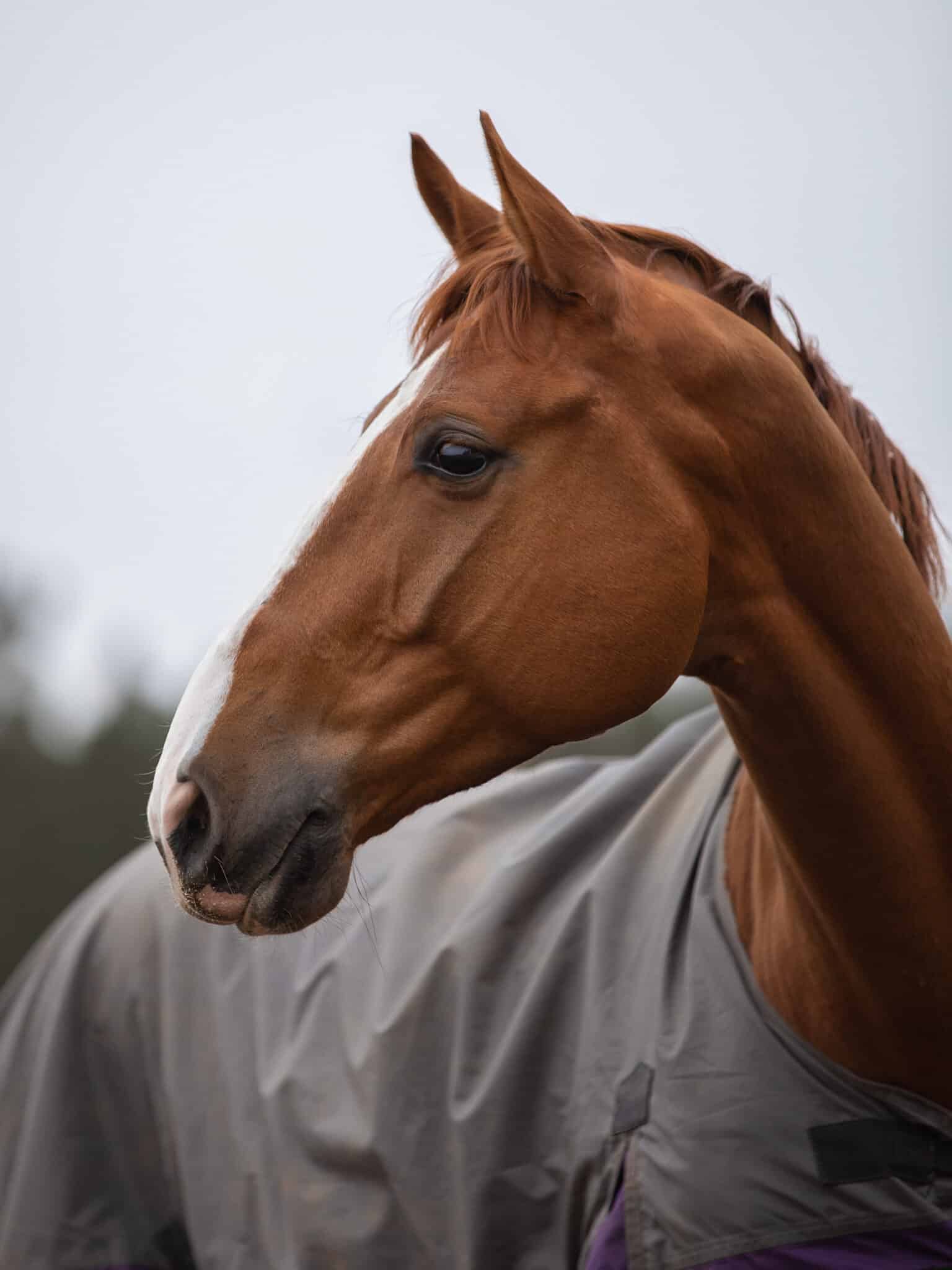
Make Winter Horse Blanketing an Individual Decision
Choosing a winter horse blanket should never be based on the calendar alone. New Hampshire’s fall weather can change dramatically from one day to the next, making October an important time to start monitoring your horse and preparing your blanket options.
Consider your horse’s coat, clipping status, body condition, age, workload, shelter, wind exposure, and precipitation before deciding when and how heavily to blanket. Most importantly, check your horse regularly instead of relying solely on the forecast.
With a practical blanketing routine and the right winter horse blanket available when conditions call for it, you can help keep your horse dry, comfortable, and prepared as New England transitions from fall into winter.