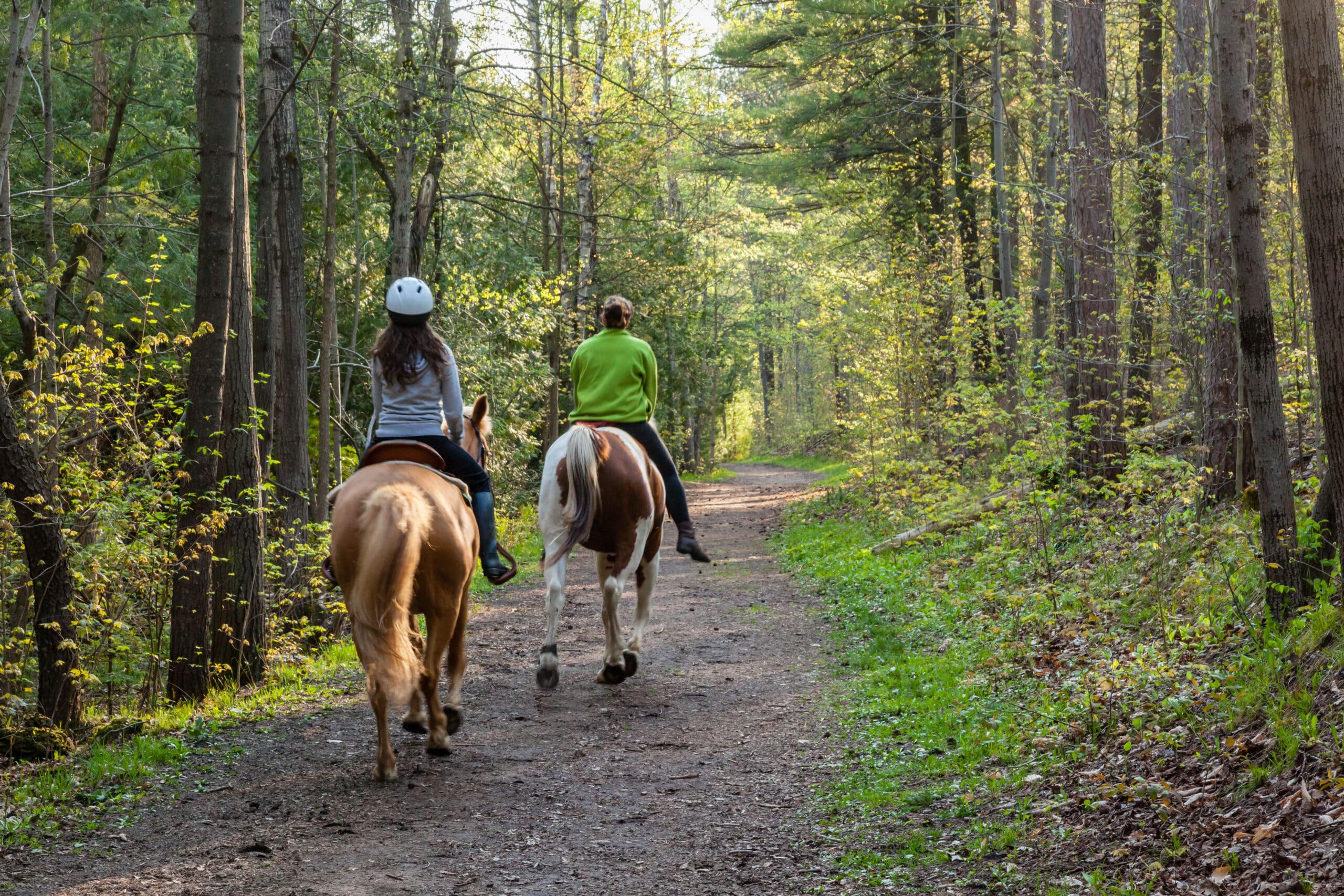
Riding Boots: 5 Powerful Picks for Mud, Snow, and Ice
Riders always look forward to spring in New England, but it comes with some of the toughest riding conditions of the year. Melting snow, lingering ice, and constant freeze-thaw cycles turn trails into mud pits almost overnight. Choosing the right riding boots for this time of year is about safety, durability, comfort, and protecting your investment.
The wrong riding boots can leave your feet soaked, cold, and slipping over the ground when you walk. The right pair can make early season rides enjoyable and confident, even when the conditions are less than ideal.
Why Spring Conditions Are Hard on Riding Boots
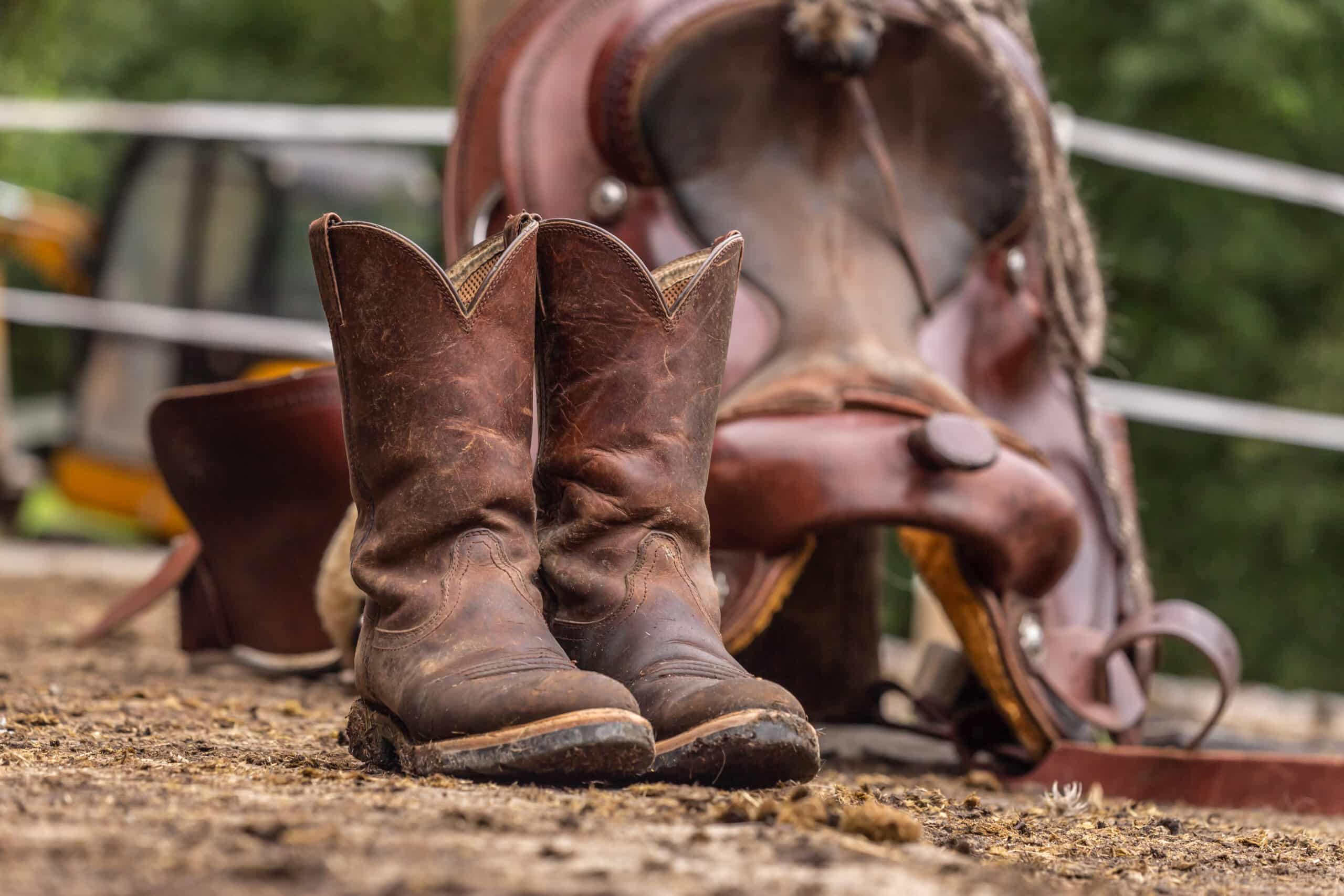
Muddy spring trails combine water, grit, and fluctuating temperatures. Snowmelt seeps into the seams, mud cakes onto soles, and icy patches often linger in shady areas. This environment quickly exposes weak materials, poor traction, and inadequate waterproofing. That is why spring is the ultimate test for riding boots in New England.
Boots designed only for dry summer riding often break down faster during this season. Leather can stiffen or crack, stitching can loosen, and slick soles can become dangerous when mounting or dismounting.
Waterproofing Matters More Than You Think
One of the most important features to look for in riding boots for muddy spring trails is reliable waterproofing. Full grain leather that has been properly treated offers excellent protection while still allowing the boot to breathe. Look for boots with sealed seams and minimal stitching in high exposure areas.
Regular waterproofing maintenance is just as important as the boot itself. Applying a quality leather conditioner with waterproofing properties helps prevent moisture from soaking in while keeping leather supple. Rubber or synthetic lower sections can also be a smart choice for riders who spend long hours in wet footing.
Without proper waterproofing, even high quality riding boots can become uncomfortable quickly, leading to cold feet and long term damage to the boots.
Sole Grip for Soggy, Slippery Conditions
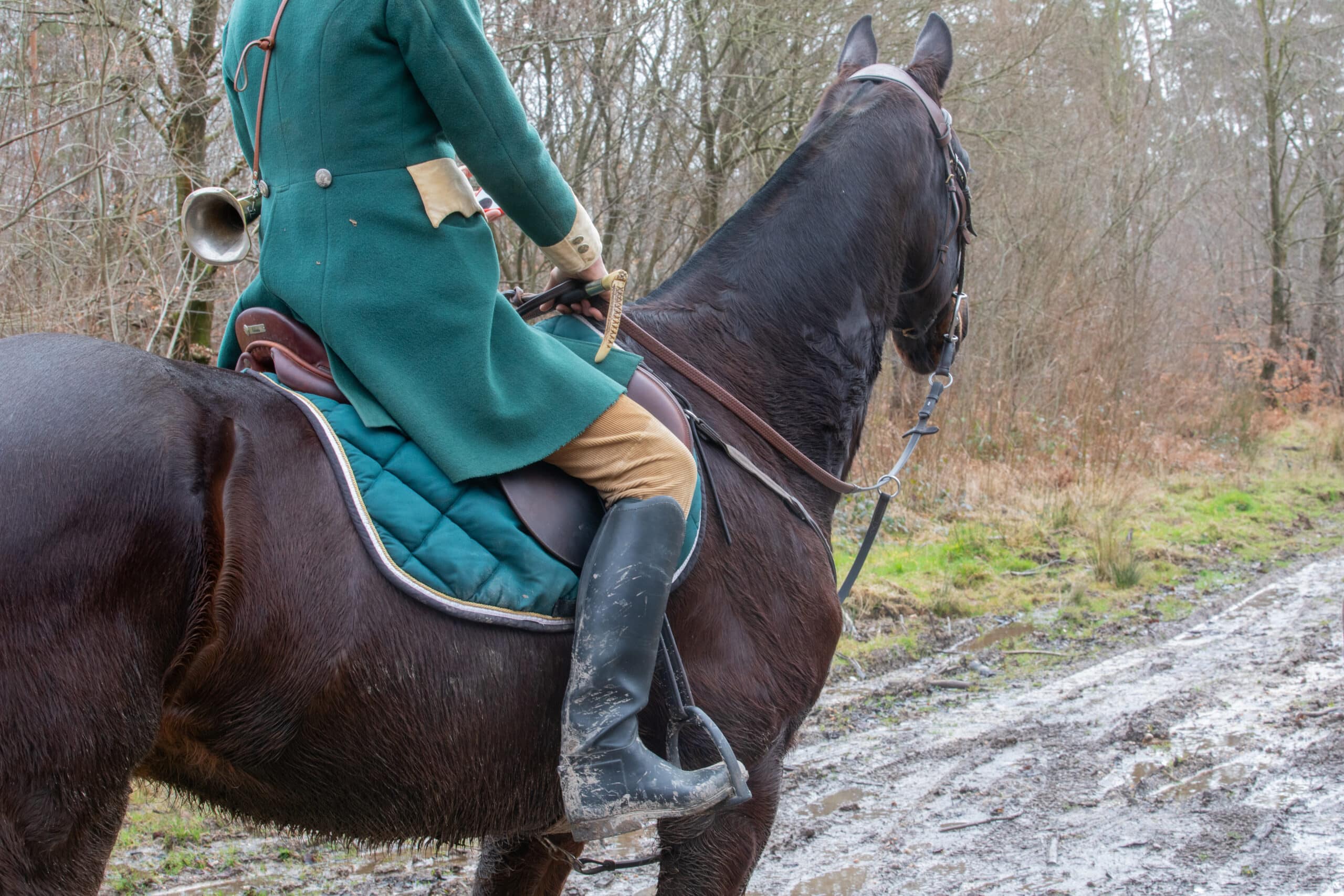
Sole traction is often overlooked but it is critical during spring riding. Muddy mounting blocks, slick barn aisles, and soggy trails all demand dependable grip. Riding boots with rubber or composite soles tend to perform better than traditional smooth leather soles in wet conditions.
Look for soles with a defined tread pattern that can shed mud rather than collect it. At the same time, the sole must remain compatible with stirrups to avoid catching or slipping through. A balanced design provides stability on the ground without compromising safety in the saddle.
Good sole grip is one of the biggest factors in choosing riding boots that feel secure during unpredictable spring rides.
Materials That Handle Snow, Ice, and Thawing Fields
Spring weather can shift from freezing mornings to warm afternoons in a matter of hours. The best riding boots for New England spring riding are made from materials that handle temperature changes without breaking down.
Oil-treated leather, waterproof synthetics, and rubber-leather hybrids all perform well during this season. These materials resist water absorption, clean easily, and maintain flexibility even when temperatures drop overnight. Insulated linings are not always necessary in March, but moisture wicking interiors help keep feet comfortable throughout long rides.
Choose durable materials that can help your riding boots survive spring and remain reliable through summer and fall.
Fit and Comfort Still Matter
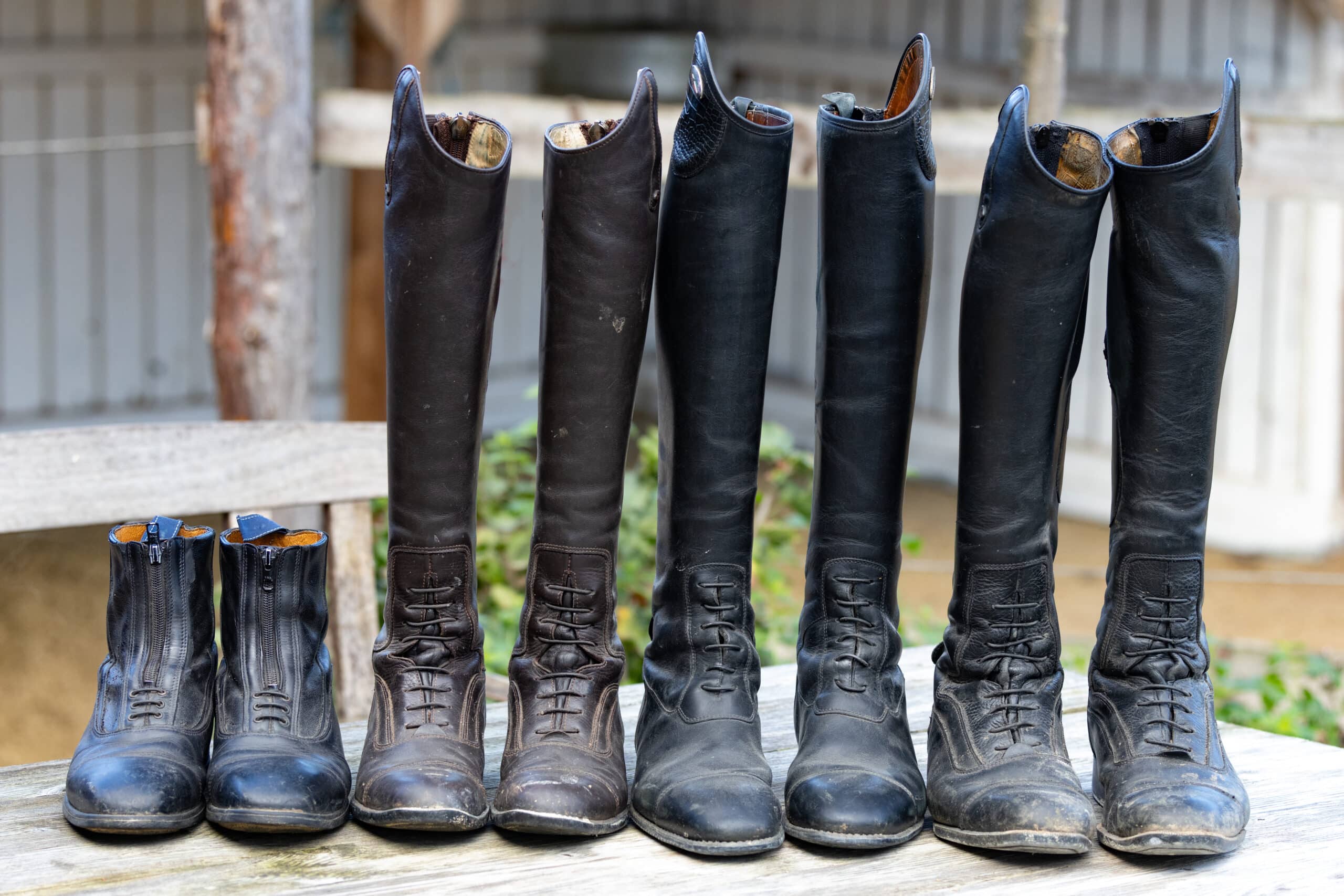
Even the most rugged riding boots need to fit properly. Mud and uneven ground increase strain on ankles and calves, making proper support essential. Boots that are too stiff or poorly fitted can cause fatigue and soreness, especially during longer trail rides.
Break in new riding boots gradually before tackling extended spring outings. This allows the materials to soften while reducing the risk of blisters and pressure points.
Shop Smart This Spring
Finding the right riding boots for muddy spring trails does not have to be overwhelming. The key is to know your riding style, terrain, and local conditions. Riders in New England benefit from boots built to handle moisture, traction challenges, and rapid weather changes.
At The Trainer’s Loft, riders can explore a carefully curated selection of new and consigned riding boots designed for real world conditions. Whether you are gearing up for early trail rides, daily barn chores, or preparing for the upcoming show season, the knowledgeable team can help you choose boots that balance comfort, durability, and performance. Shopping with experts who understand New England riding conditions makes all the difference when investing in quality gear.
Spring riding may be muddy, but with the right riding boots, it can also be one of the most rewarding times to get back in the saddle.