Western Saddle: 5 Essential Basics Every Rider Should Know
As trail season approaches, taking time to understand your western saddle is one of the best ways to prepare for comfortable, confident riding. Whether you are heading out for long New England trail rides or just getting back into the saddle after winter, the design and features of a western saddle play a major role in rider balance, horse comfort, and overall safety.
Knowing how each component functions will help you choose the right setup and avoid common mistakes before miles start adding up.
What Makes a Western Saddle Different
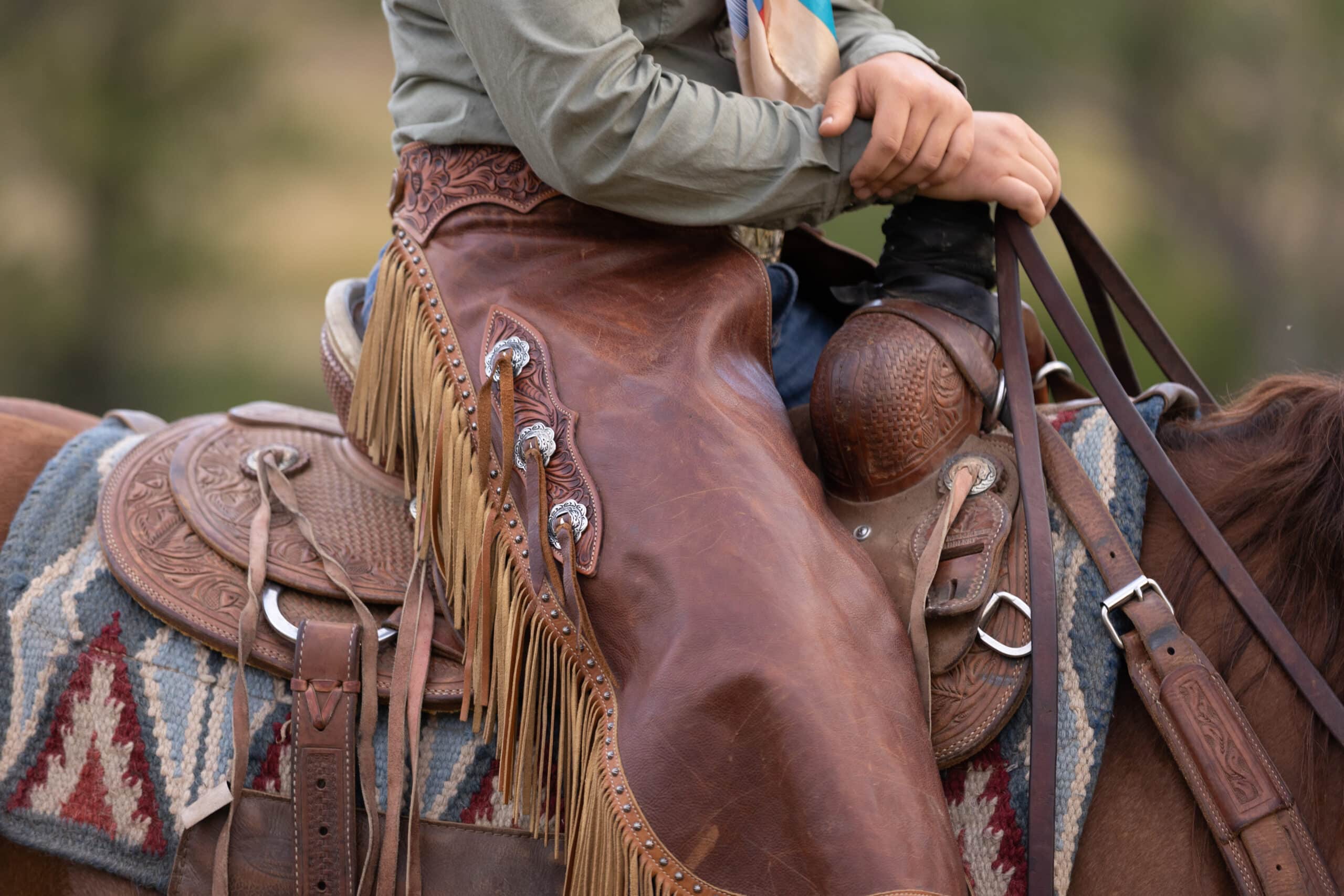
A western saddle is designed for stability, weight distribution, and long hours in the saddle. Unlike lighter English styles, the western saddle spreads the rider’s weight across a larger surface area, reducing pressure on the horse’s back. This makes it especially well suited for trail riding, ranch work, and extended time on varied terrain.
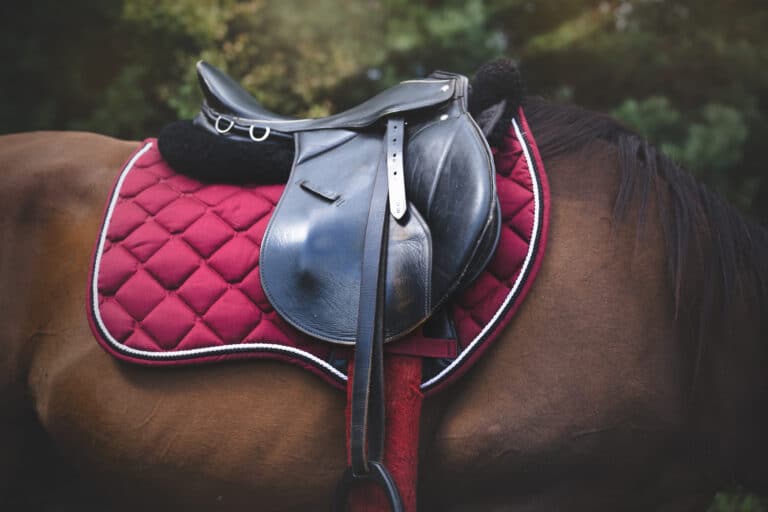
Key structural elements include the tree, horn, seat, skirts, and rigging. Each part works together to create balance and durability, which is why a properly fitted western saddle can feel secure even on uneven ground.
The Purpose of the Saddle Horn
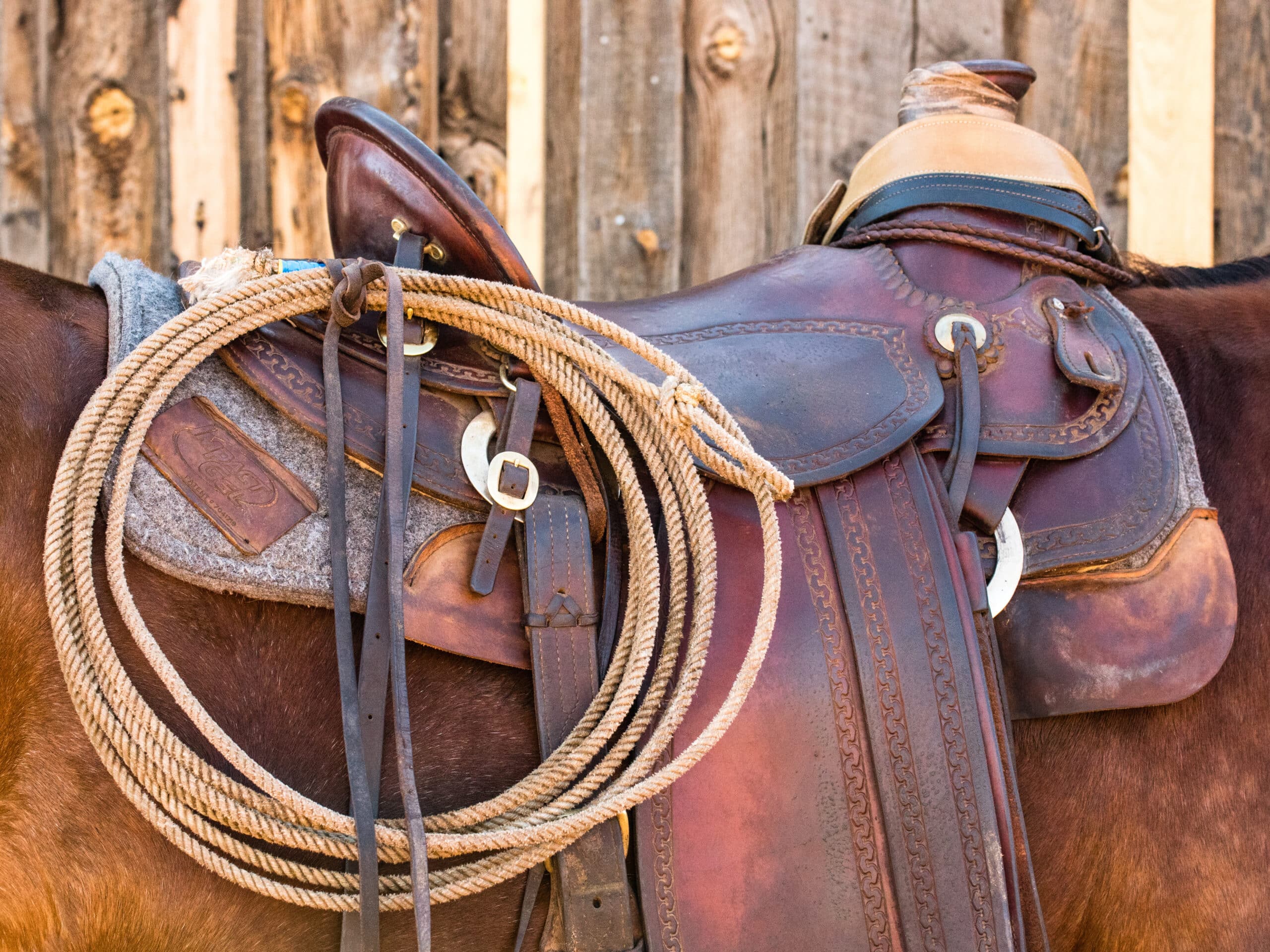
One of the most recognizable features of a western saddle is the horn. While many riders associate it with roping the horn serves several purposes beyond that. Traditionally, it was designed to anchor a rope when working cattle. For trail riders today, the horn often acts as a balance point when mounting, dismounting, or navigating steep terrain.
That said, the horn should not be used as a constant handhold while riding. Relying too heavily on it can throw off balance and strain the saddle tree. Understanding the horn’s purpose helps riders use their western saddle correctly and safely.
Understanding Seat Depth and Shape
Seat depth is one of the most important considerations when choosing a western saddle. Deeper seats provide more security and help keep riders centered, making them popular for trail riding and beginners. Shallower seats allow more freedom of movement and are often preferred for speed events or performance discipline.
The shape of the seat also affects rider comfort. A well designed saddle supports the pelvis and lower back, reducing fatigue on long rides. Riders should consider their riding style and comfort needs when evaluating seat depth, especially for extended trail outings.
Skirts, Rigging, and Weight Distribution
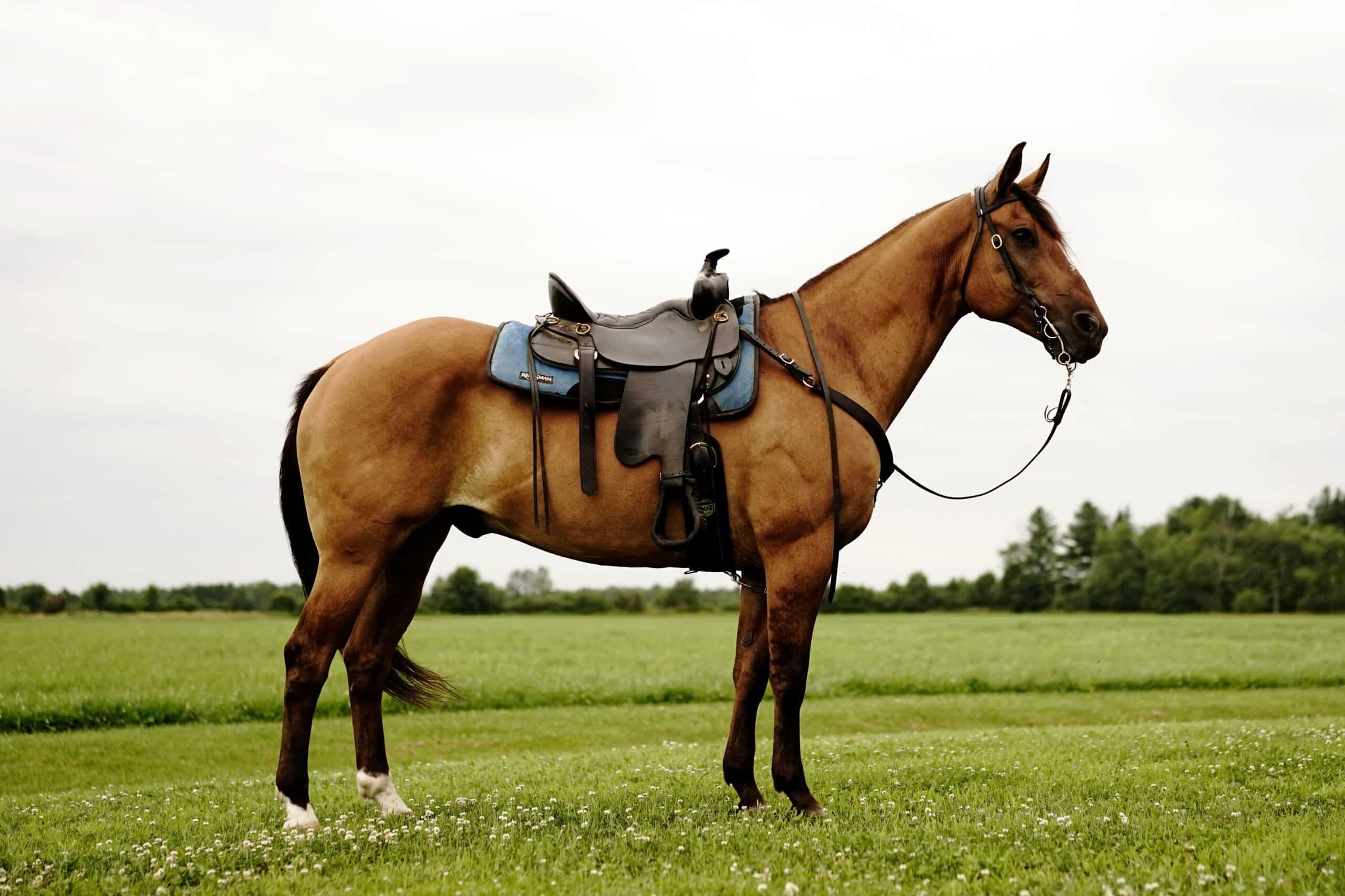
The skirts of a western saddle help distribute weight evenly across the horse’s back. Longer skirts typically offer more coverage, while shorter skirts will be necessary for horses with shorter backs. Proper skirt fit ensures the saddle does not interfere with movement or create pressure points.
Rigging placement is another key factor. The rigging secures the saddle with a cinch and helps stabilize it during riding. A correctly positioned rigging system keeps the saddle balanced without restricting the horse’s shoulders, which is especially important for long trail rides.
Fit Matters Before Trail Season
Even the best designed western saddle must fit both horse and rider properly. Before trail season begins, it is essential to check that the saddle sits level, clears the withers, and maintains even contact along the horse’s back. Seasonal changes in muscle tone or weight can affect how a saddle fits, especially after winter downtime.
A poor fitting western saddle can lead to soreness, behavioral issues, and long term discomfort. Addressing fit concerns early ensures a smoother start to the riding season.
Caring for Your Western Saddle
Trail season exposes your western saddle to dirt, moisture, and temperature changes. Cleaning and conditioning leather before the season starts helps maintain flexibility and prevents cracking. Inspecting billets, rigging, and stitching ensures your saddle remains safe and functional.
Regular maintenance extends the life of a saddle and preserves its performance through months of riding.
Trusted Help When Choosing the Right Saddle
Choosing the right saddle does not have to be overwhelming. The Trainer’s Loft offers a knowledgeable, rider focused approach to western tack, helping equestrians find saddles that suit their discipline, horse, and riding goals. With a curated selection and hands on guidance, they understand what riders need before hitting the trails. Whether you are upgrading your current western saddle or learning the basics for the first time, The Trainer’s Loft team provides support grounded in real experience.
Trail season is about freedom, connection, and confidence. Understanding the fundamentals of your western saddle helps every ride start on solid ground and stays comfortable from the first mile to the last.