Horse Liniment: Benefits and Uses for Cool-Weather Riding
As temperatures begin to drop, many riders adjust more than their own fall riding apparel. Cooler weather can also make warm-ups, cooldowns, and post-exercise care an important part of the daily routine. One product commonly found in equestrian grooming and wellness supplies is horse liniment.
A horse liniment is a topical product applied to a horse’s body, typically after exercise or as part of a grooming routine. Depending on the specific formula, riders may use liniment to provide a warming or cooling sensation and as part of their approach to supporting tired muscles after work.
Understanding what liniment does, how to use it, and what precautions to take can help horse owners determine whether it belongs in their cool-weather care routine.

What Is Horse Liniment?
Horse liniment is a topical liquid, gel, lotion, or similar preparation designed for external use. Different products contain different ingredients and are formulated for specific applications, so it is important to read and follow the manufacturer’s instructions.
Many riders incorporate liniment into post-ride grooming, particularly after demanding schooling sessions, competitions, trail rides, or other physical activity.
Some formulas create a warming sensation, while others are designed to feel cooling or soothing. Because products vary, riders should not assume that every liniment should be applied or used in the same way.
Why Use Horse Liniment During Cooler Weather?
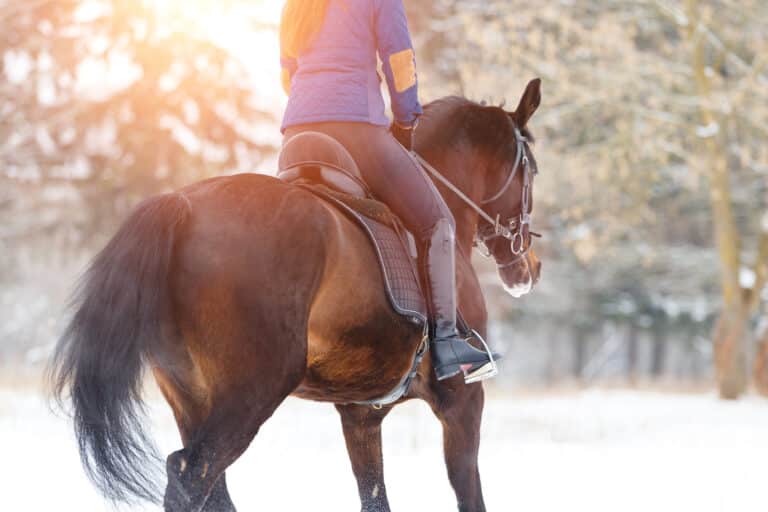
Cool fall mornings can change the way riders approach exercise. Horses may benefit from a gradual warm-up before more demanding work, while an appropriate cooldown allows the body to transition out of exercise.
Horse liniment can complement these routines, but it should not replace them.
Prioritize a Proper Warm-Up
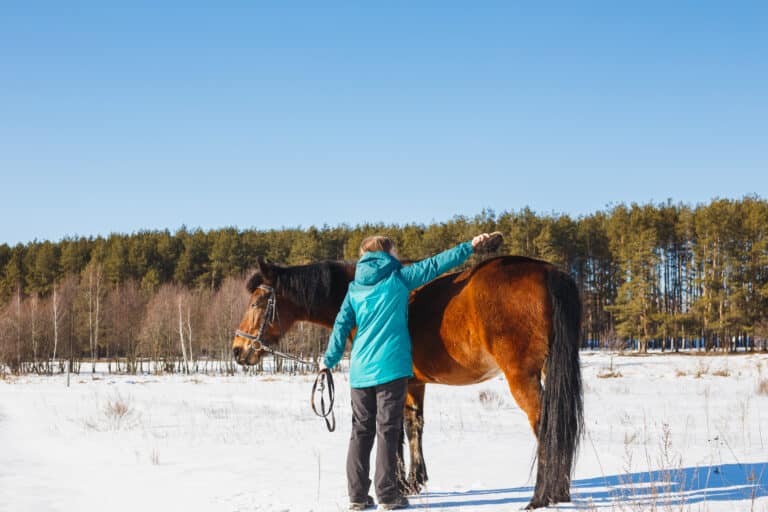
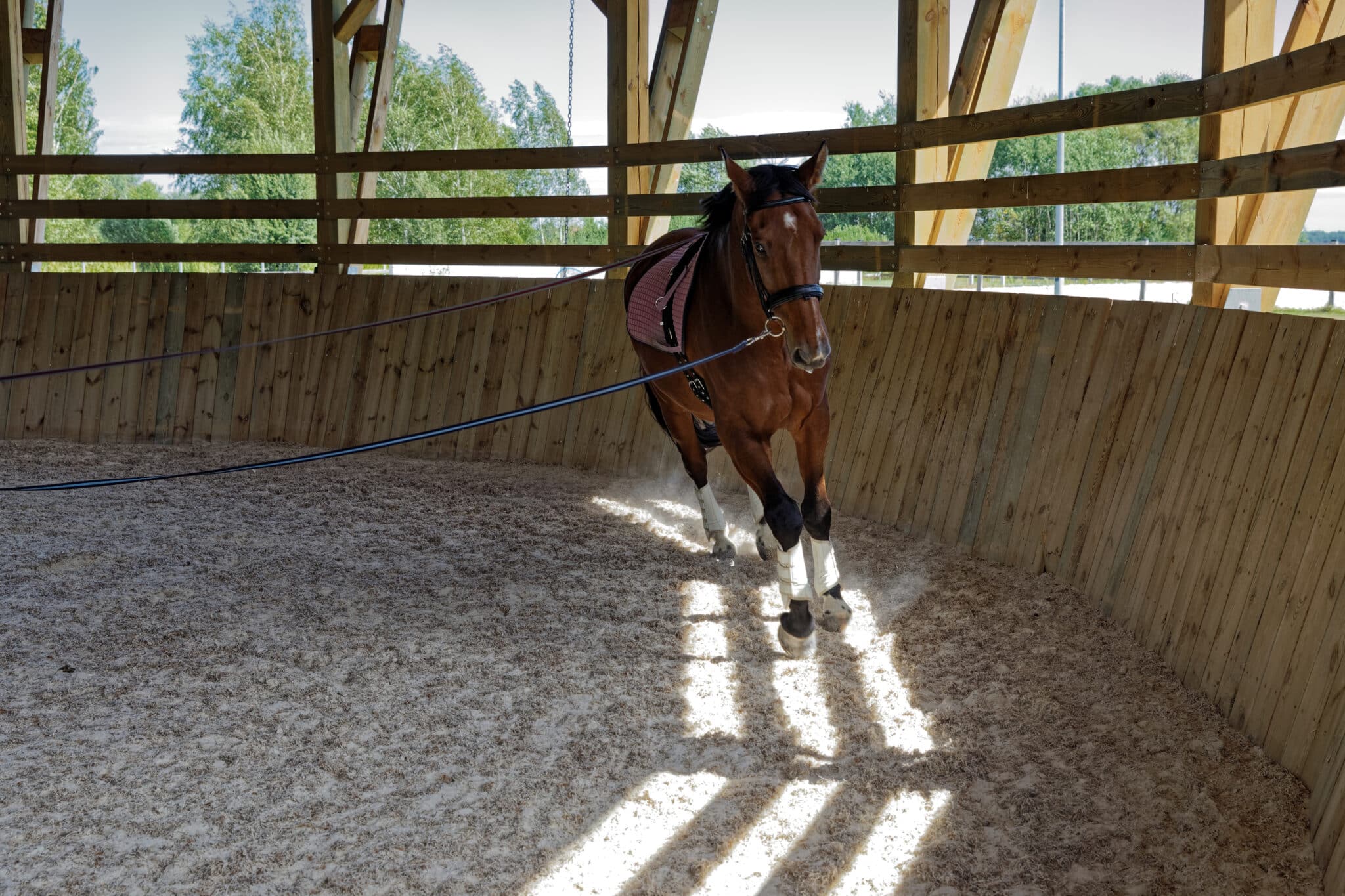
Before asking for demanding work, give your horse sufficient time to warm up. Walking allows the horse to begin moving before progressing into more strenuous activity.
How long a horse needs to warm up can depend on the individual horse, weather, workload, fitness level, and other factors. Older horses or horses returning to work may require different routines.
A horse muscle liniment should not be viewed as a substitute for proper movement and preparation before exercise.
Do not Skip the Cooldown
Cooldowns remain important as temperatures fall. After exercise, gradually reducing intensity can help transition your horse from work to rest.
If your horse becomes sweaty, pay attention to drying and cooling as temperatures drop. Appropriate blankets or coolers may also be useful depending on weather conditions and your horse’s coat.
Once the horse has cooled down, horse liniment may be incorporated into the post-exercise care routine according to the product’s directions.
Common Ways Riders Use Horse Liniment
How horse liniment is used depends heavily on the product. Always follow label instructions rather than assuming that a method appropriate for one product is suitable for another.
Post-Exercise Muscle Care
Riders often use liniment as part of a horse muscle recovery routine following exercise. Liniment may be applied to areas specified by the manufacture after schooling, conditioning, trail riding, or competition.
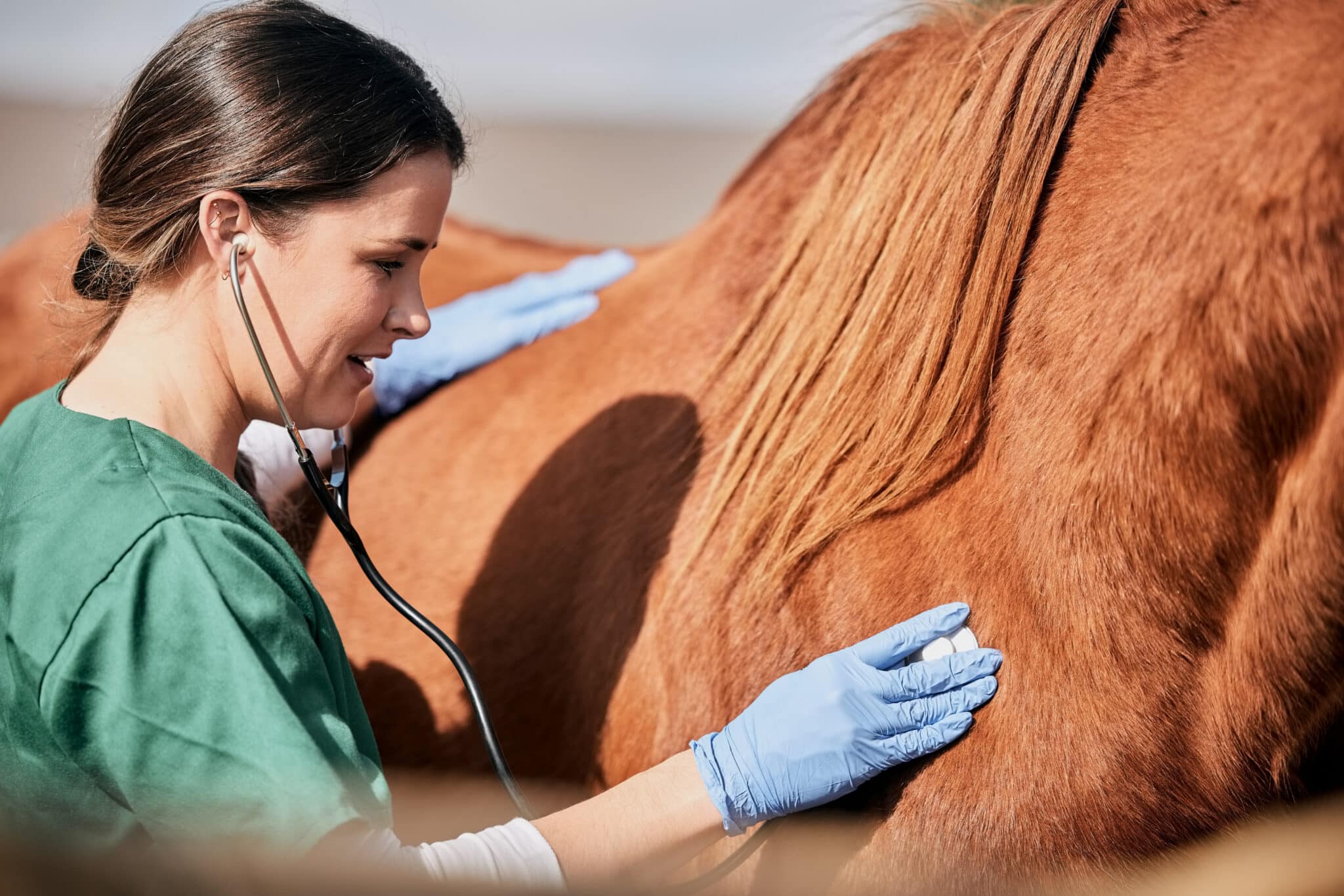
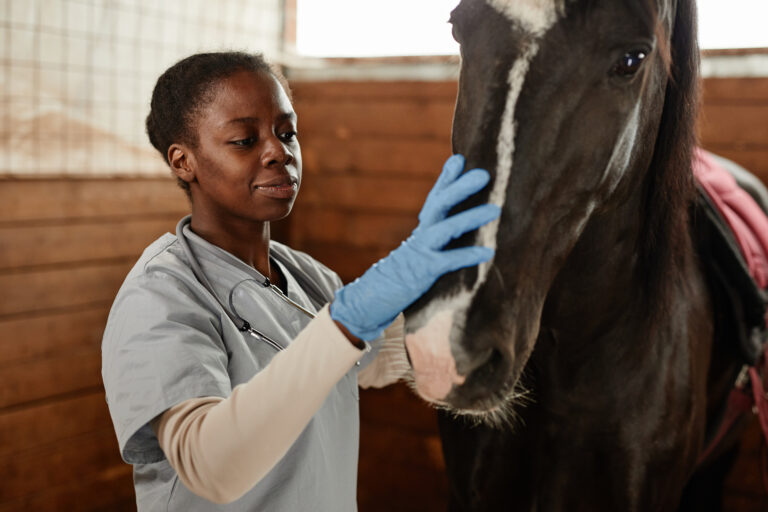
This can also be an opportunity to become familiar with your horse’s body. While grooming and applying a topical product, pay attention to unusual warmth, swelling, tenderness, or changes in how your horse reacts to touch.
As Part of a Grooming Routine
Some riders use liniment for horses alongside regular grooming after exercise. Grooming itself gives you an opportunity to inspect the horse and notice changes that might otherwise be missed.
A consistent routine can be particularly helpful when workload or weather conditions are changing during fall.
After More Demanding Work
Long trail rides, jumping sessions, conditioning work, and other demanding activities may prompt riders to pay closer attention to post-exercise care.
Depending on the product and your horse’s needs, equine liniment may be one component of that routine alongside proper cooldown, hydration, grooming, rest, and appropriate nutrition.
Horse Muscle Recovery Starts Before the Ride
While horse liniment can have a place in a post-ride routine, muscle care should be considered as part of a larger picture.
Appropriate conditioning is important. Sudden increases in workload can place additional demands on a horse regardless of the season. Build fitness progressively and consider how terrain, footing, duration, and intensity affect the difficulty of each ride.
Cool weather should does not automatically mean your horse can manage harder or longer workouts simply because temperatures are more comfortable.
Nutrition, hydration, rest, and overall health also contribute to horse muscle recovery and performance.
Horse Liniment Safety Considerations
Because formulations vary, read the entire product label before applying a new horse liniment.
Follow directions regarding where the product can be applied, how much to use, how frequently it can be used, and whether additional precautions are required. Avoid eyes, mucous membranes, broken skin, and other areas excluded by the manufacturer’s instructions.
Some topical products may also have specific warnings regarding bandaging or covering the treated area. Never assume a liniment can safely be used underneath a wrap simply because you have used another product that way.
If you are using a new product, monitor your horse for signs of skin irritation or sensitivity.
When unexplained muscle soreness, swelling, heat, or lameness is present, do not rely on horse muscle liniment to mask a potential problem. Consult your veterinarian when you have concerns about your horse’s health or soundness.
Choosing the Right Liniment for Horses
When comparing products, start by considering how you intend to use them. Are you looking for something to incorporate into everyday post-ride grooming, or are you building a more comprehensive care routine for a horse in regular training?
Review the product’s intended application, ingredients, instructions, and warnings. The best horse liniment is not necessarily the strongest formula; it is one that is appropriate for your horse and intended use.
Ease of application may also matter. Some riders prefer gels that can be applied directly, while others may prefer liquid formulations depending on their routine.
Find Horse Care Essentials at The Trainer’s Loft
A thoughtful post-ride routine can help you stay attentive to your horse as workloads and temperatures change. The Trainer’s Loft offers horse care and wellness products, grooming supplies, tack, riding apparel, and other equestrian essentials to help riders prepare for every season.
If you are looking for horse liniment, grooming products, riding gear, or other barn necessities, The Trainer’s Loft can help you find practical products for your horse-care routine.
Horse Liniment FAQs
What Does Horse Liniment Do?
Liniment is a topical product used as part of grooming and post-exercise care. Formulas differ, with some producing warming, cooling, or soothing sensations. Check the individual product label for its intended purpose and directions.
When Should You Apply Horse Liniment?
Many riders use horse liniment after exercise as part of their cooldown and grooming routine. The appropriate timing and application method depend on the specific product, so always read and follow its instructions.
Can You Use Horse Liniment Every Day?
Some products may be suitable for regular use, while others have different recommendations. Follow the manufacturer’s directions regarding application frequency rather than assuming every liniment can be used daily.
Can Horse Liniment Be Used Under Wraps?
Not necessarily. Some liniments may have specific warnings or instructions regarding bandaging. Check the label before combining any topical product with wraps.
Is Horse Liniment a Substitute for Warming Up or Cooling Down?
No. A horse liniment should complement an appropriate warm-up, cool down, conditioning, grooming, hydration, and general horse care.
Should I Use Liniment if My Horse Is Lame or Swollen?
Unexplained lameness, swelling, heat, or significant soreness can indicate an issue that needs further evaluation. Rather than relying on liniment to address an unknown problem, contact your veterinarian for guidance when you have concerns.