Riding Breeches: 7 Tips for Comfort and Performance
As summer gives way to cooler fall weather, equestrians often start adjusting their riding wardrobes. Lightweight shirts give way to layers, jackets return to the barn, and the riding breeches that felt perfect during hot July afternoons may no longer provide the comfort you need on crisp fall mornings.
Choosing the right riding breeches involves more than finding the correct size or favorite color. Fabric weight, stretch, grip, moisture management, fit, and riding discipline can all affect how comfortable you feel in the saddle. While fall is a great time to reassess your riding apparel, these considerations can help you choose horse riding breeches for any season.
What to Look for When Choosing Riding Breeches
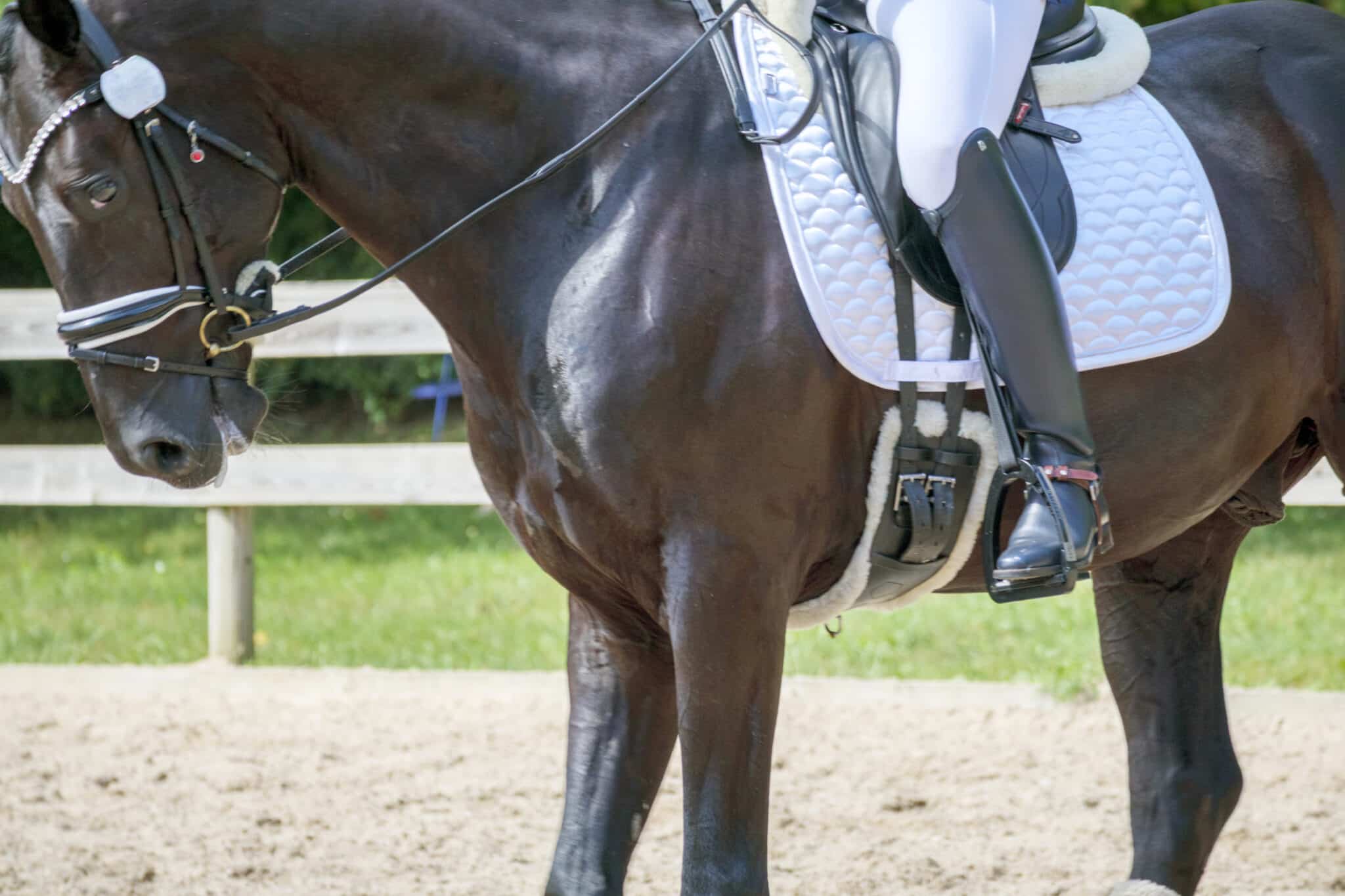
The best riding breeches should provide a close, comfortable fit without restricting movement. Because riders repeatedly bend at the hips, knees, and ankles, breeches need enough flexibility to move naturally while maintaining their shape.
Look for fabrics that offer stretch and recovery. Breeches that stretch but do not recover well may become loose around the knees or waist during a long day at the barn.
Fit is equally important. Properly fitted equestrian breeches should feel secure without pinching, bunching, or creating uncomfortable pressure points when you are in the saddle.
Choose the Right Fabric Weight for Cooler Weather
One of the biggest differences between summer and fall riding apparel is fabric weight.
During hot weather, riders often prefer lightweight, breathable materials. As temperatures decrease, slightly heavier riding breeches can provide additional warmth without requiring bulky layers.
For New Hampshire riders, fall can mean considerable temperature changes throughout the day. A chilly morning lesson may be followed by a much warmer afternoon. Choosing versatile midweight fabric can help you remain comfortable through these changing conditions.
Consider Layering on Colder Mornings
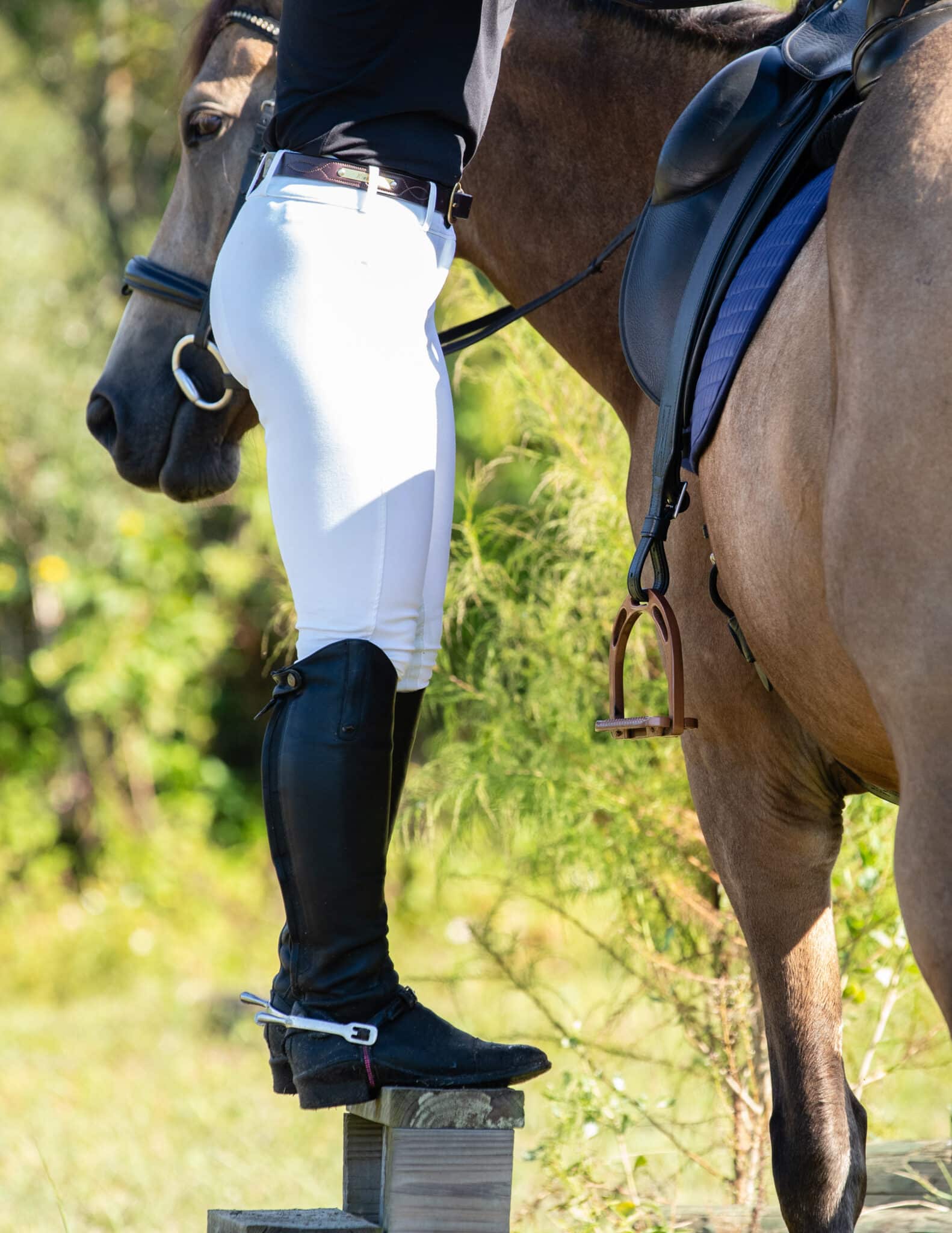
Layering can extend the usefulness of your favorite women’s riding breeches as temperatures fall. Thin, moisture-managing base layers can provide extra warmth without adding excessive bulk.
Make sure any layers worn underneath your breeches don’t restrict movement or create uncomfortable seams. Your final combination should still allow you to move freely in and out of the saddle.
Stretch and Mobility Matter in Horse Riding Breeches
Good horse riding breeches should move with you. Four-way stretch fabric can be particularly useful because riding requires movement in multiple directions. Stretch around the knees, hips, and seat can help maintain comfort while mounting, riding, grooming, and completing barn chores.
When trying on riding breeches, do not judge how they fit while simply standing in front of a mirror. Instead, bend your knees, squat, and mimic your riding position. This can reveal tightness, bunching, or discomfort that may not be noticeable while standing.
Full-Seat vs. Knee-Patch Riding Breeches
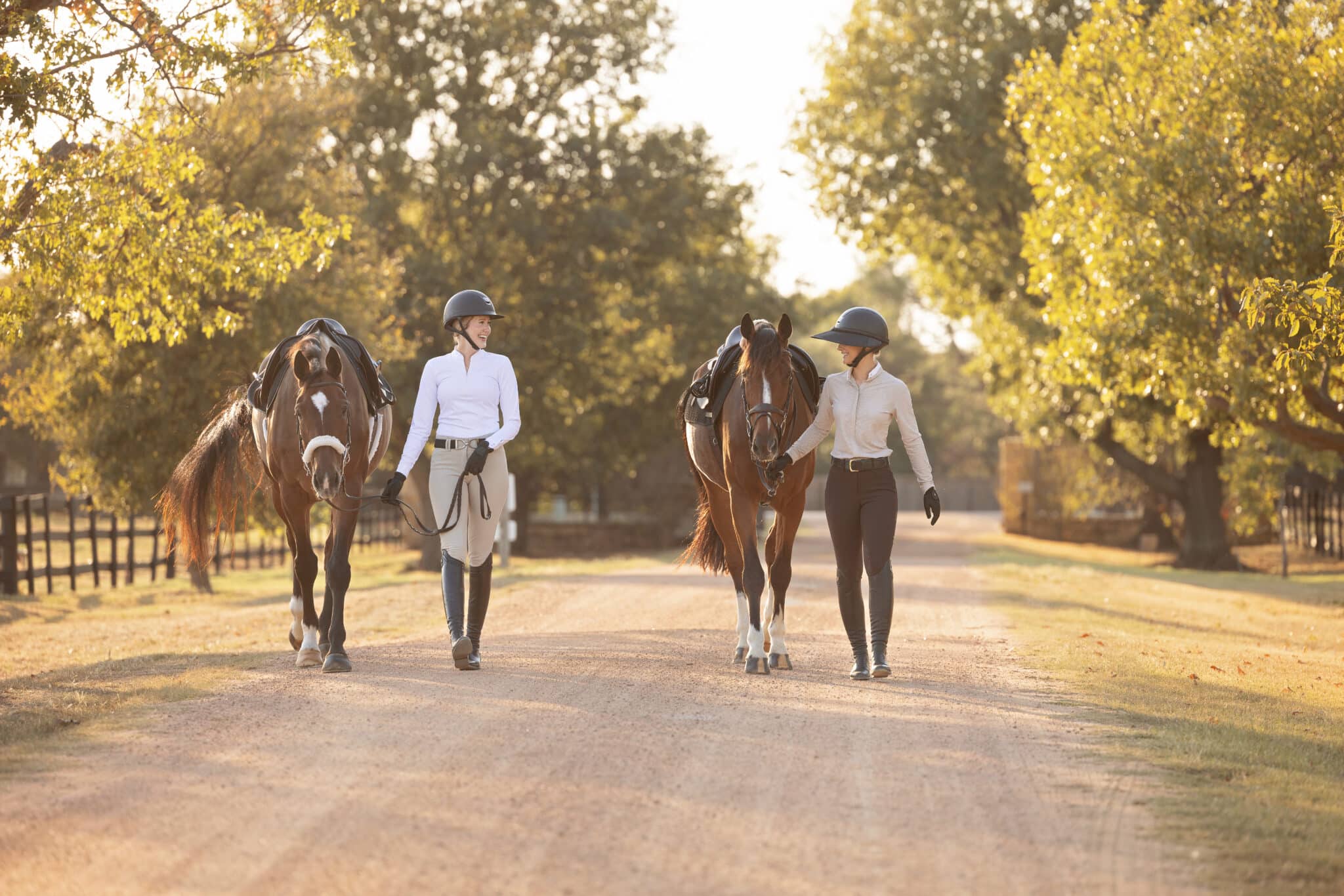
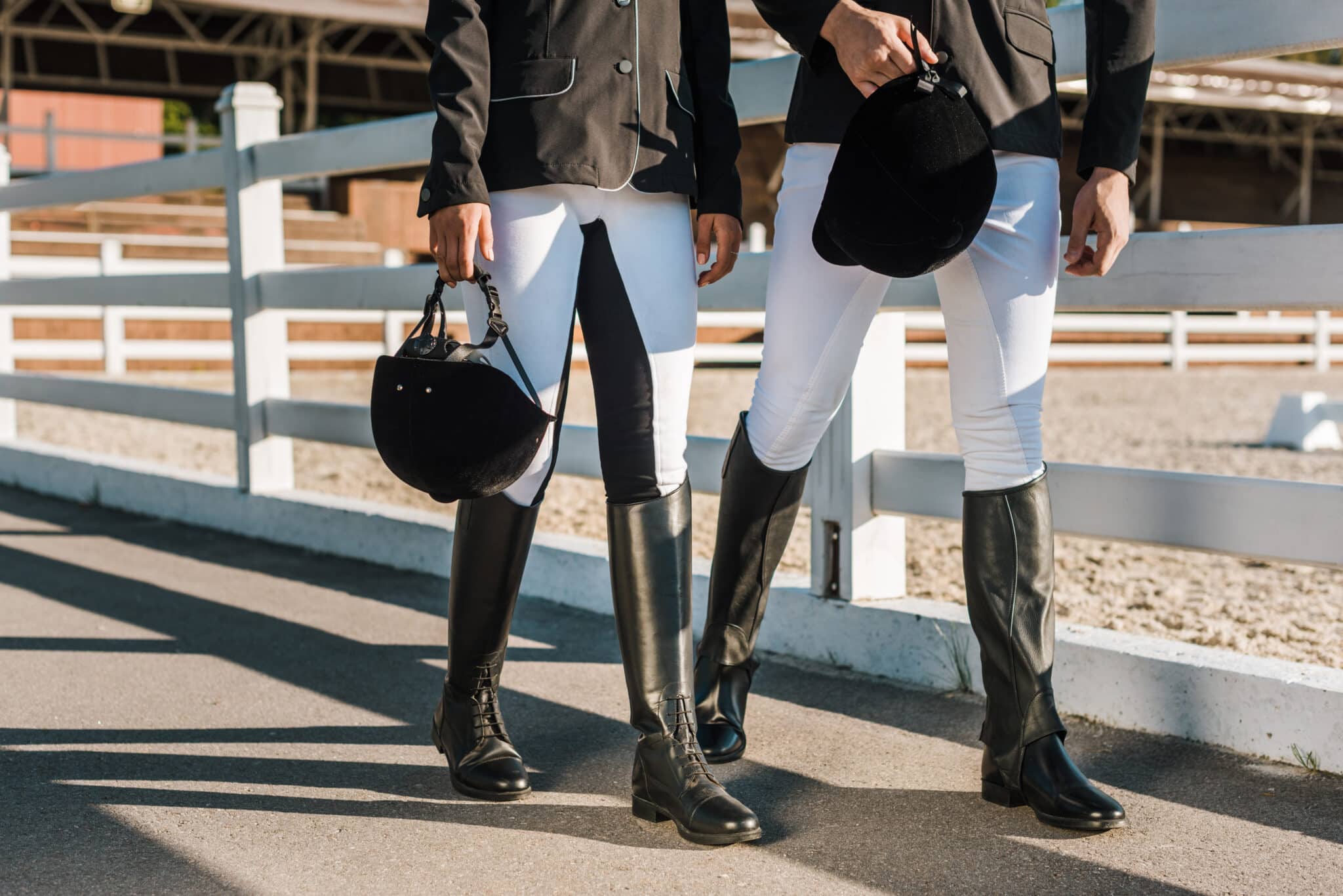
Full-seat breeches include grip or reinforcing material extending through the seat and along the inside of the legs. This design can provide additional contact and stability in the saddle.
Some riders appreciate the extra grip for schooling, dressage, or riding horses with considerable movement. Others prefer a less restrictive feel.
Knee-Patch Breeches
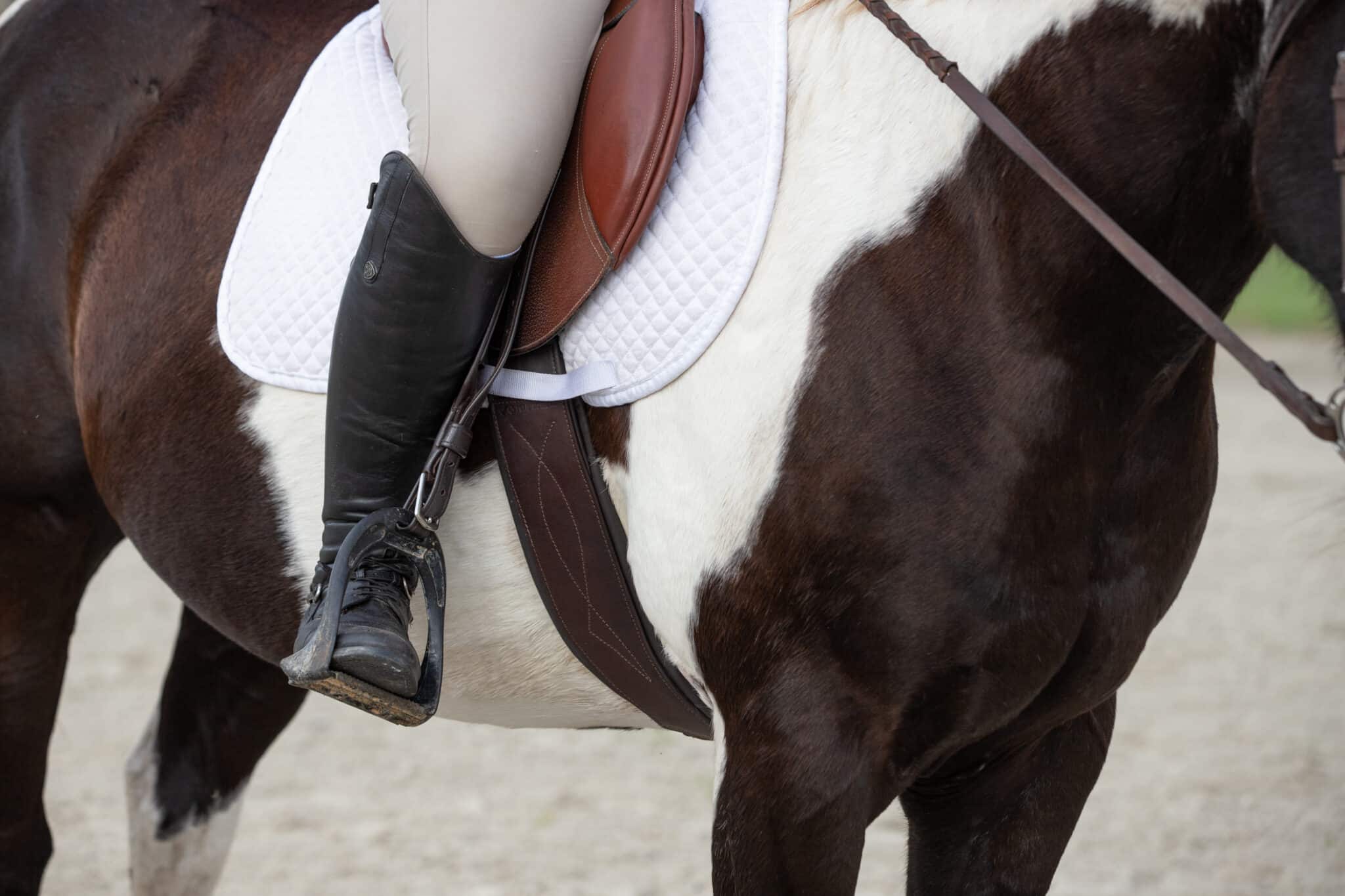
Knee-patch breeches concentrate grip around the inside of the knee rather than across the entire seat. They are common among hunter jumper riders and can provide grip while allowing more freedom through the seat.
Neither option is automatically better. The best riding breeches are the ones that complement your discipline, saddle, and personal preference.
Moisture Management Isn’t Just for Summer
Breathability remains important when temperatures drop.
Riders can still work up a sweat during fall lessons, training sessions, and barn chores. Moisture-managing equestrian breeches can help move perspiration away from the skin, making it easier to remain comfortable as temperatures fluctuate.
This becomes particularly important when layering. Damp clothing can quickly become uncomfortable once you stop riding and begin cooling down.
Choosing Breeches for Different Types of Riding
Your riding routine should influence which features you prioritize.
For regular lessons and schooling, durability, stretch, easy care, and comfort may matter most. Riders spending several hours at the barn may also appreciate pockets for keeping a phone or other small essentials nearby.
For trail riding, consider riding breeches that provide flexibility and durability for longer periods in the saddle. Weather conditions and the length of your rides may also make slightly heavier fabrics appealing during fall.
Show riders should consider the requirements and traditions associated with their discipline. Fit, color, styling, and full-seat versus knee-patch construction may all influence which women’s riding breeches are appropriate.
Finding the Best Riding Breeches for You
There is not one pair of riding breeches that is perfect for every equestrian. Your discipline, riding frequency, climate, personal preferences, and budget should all influence your decision.
Pay attention to the details that will make a meaningful difference during your rides. A comfortable waistband, useful pockets, flattering seams, flexible fabric, and appropriate grip can turn a good pair of breeches into one you repeatedly reach for.
Fall is also a practical time to evaluate older riding apparel. Check frequently worn breeches for thinning fabric, worn grip, damaged seams, or loss of elasticity before cooler riding weather arrives.
Find Equestrian Apparel at The Trainer’s Loft
Preparing your riding wardrobe for cooler weather doesn’t have to be complicated. The Trainer’s Loft offers equestrian apparel, riding essentials, tack, horse care products, and other supplies for riders throughout New Hampshire and beyond.
Whether you’re searching for comfortable riding breeches for everyday schooling, preparing your fall riding wardrobe, or updating your equestrian gear, The Trainer’s Loft can help you find quality products suited to life at the barn and in the saddle.
Riding Breeches FAQs
How Should Riding Breeches Fit?
Breeches should fit close to the body without restricting movement. They shouldn’t pinch at the waist, bunch excessively behind the knees, or slide while riding. Stretch fabrics can help provide a secure fit while maintaining mobility.
Are Full-Seat or Knee-Patch Breeches Better?
Look for comfortable midweight fabric with good stretch, breathability, and moisture management. On particularly cold days, consider whether the breeches comfortably accommodate a thin base layer.
Can I Wear Summer Breeches During Fall?
Yes. Lightweight breeches can continue working during mild fall weather, particularly during warmer afternoons. As temperatures decrease, you may prefer heavier fabrics or additional layering.
What Is the Difference Between Riding Tights and Breeches?
Traditional breeches offer more structured construction, while riding tights typically emphasize lightweight stretch and pull-on comfort. Both can work well depending on your riding style, weather conditions, and personal preferences.
How Many Pairs of Riding Breeches Do I Need?
There isn’t a specific number every rider needs. Consider how frequently you ride, how often you do laundry, whether you compete, and seasonal weather changes. Having several pairs with different weights or features can make it easier to adjust throughout the year.