Bell Boots for Horses: 6 Key Benefits for Active Horses
Protecting your horse’s hooves and lower legs is an important part of everyday care, especially for horses that train, compete, trail ride, or spend significant time turned out. Bell boots for horses provide an extra layer of protection around the hoof and are commonly used to help prevent injuries caused by overreaching.
While not every horse needs them, bell boots for horses can be valuable for horses prone to stepping on their front heels or pulling shoes. As summer transitions into fall and New England footing begins to change, September is a good time to reassess whether your horse could benefit from additional hoof protection.
1. Bell Boots for Horses Can Protect Against Overreaching
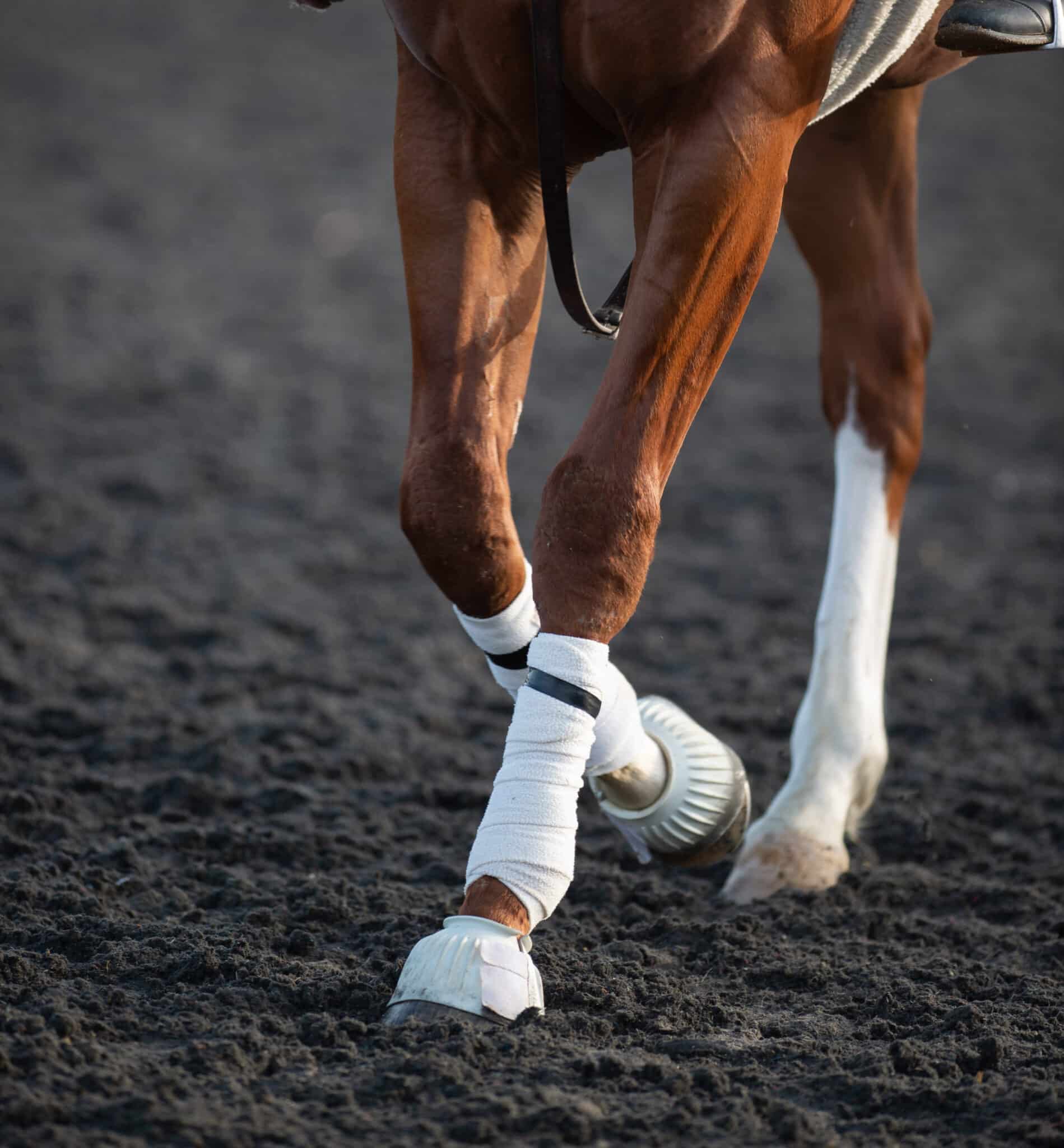
Overreaching occurs when a horse’s hind hoof strikes or catches the heel of a front hoof. This can happen during riding, training, turnout, or other movements.
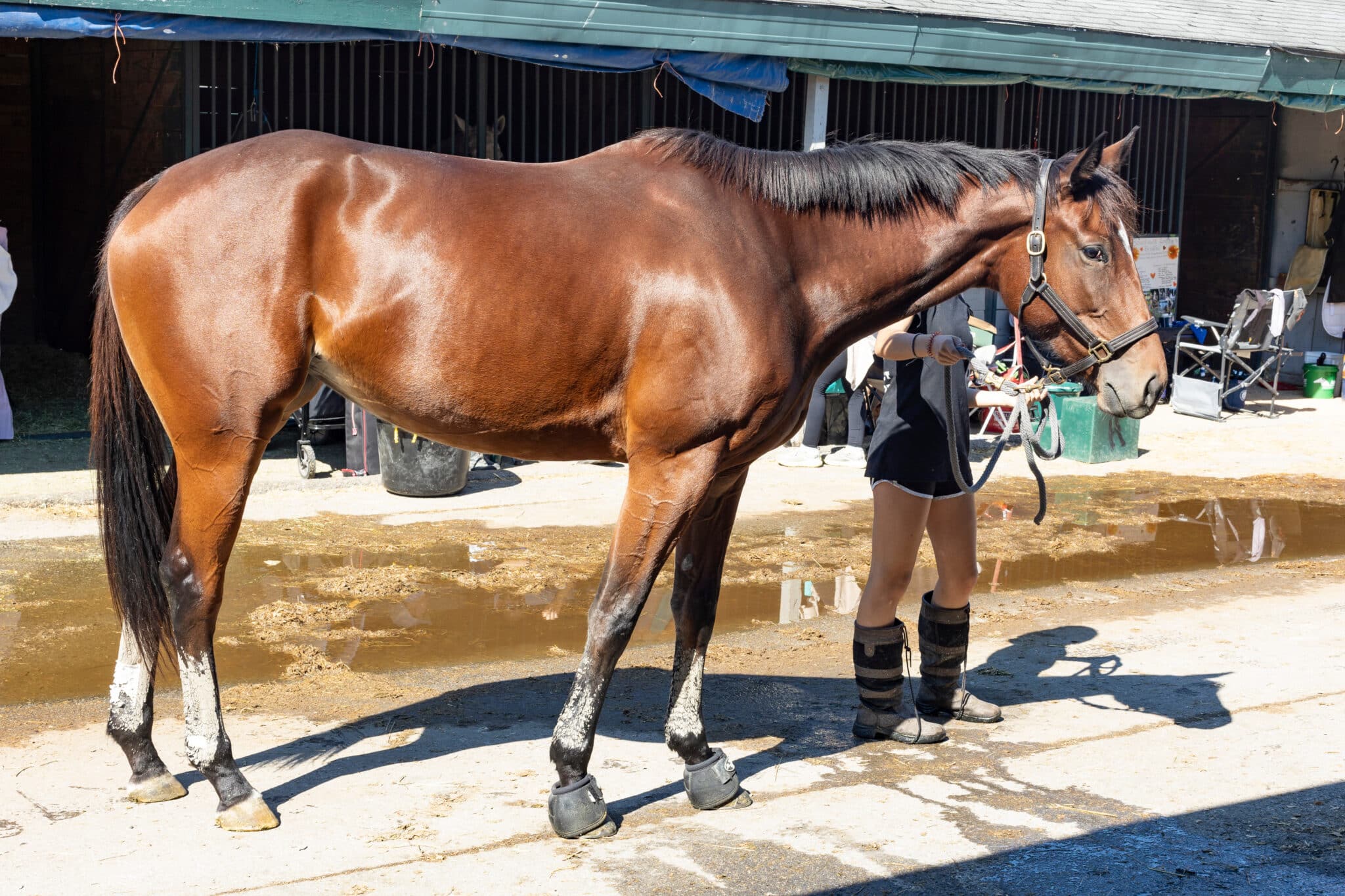
Bell boots for horses cover the heel and coronary band area, creating a protective barrier. For horses that frequently overreach, this added protection may help reduce the likelihood of cuts, scrapes, and other injuries.
“Overreach boots” is another common name for bell boots.
2. Horse Bell Boots Can Help Prevent Pulled Shoes
Anyone who owns a shod horse knows how frustrating a pulled shoe can be. A horse can step on the back of a front shoe with a hind hoof and loosen or pull it off.
Horse bell boots extend around the hoof to provide protection near the heel and shoe. While they cannot guarantee that a horse will never lose a shoe, they can be useful for horses with a history of pulling shoes.
This can make bell boots for horses particularly helpful during turnout, exercise, and other situations where overreaching is common.
3. They Provide Protection During Training
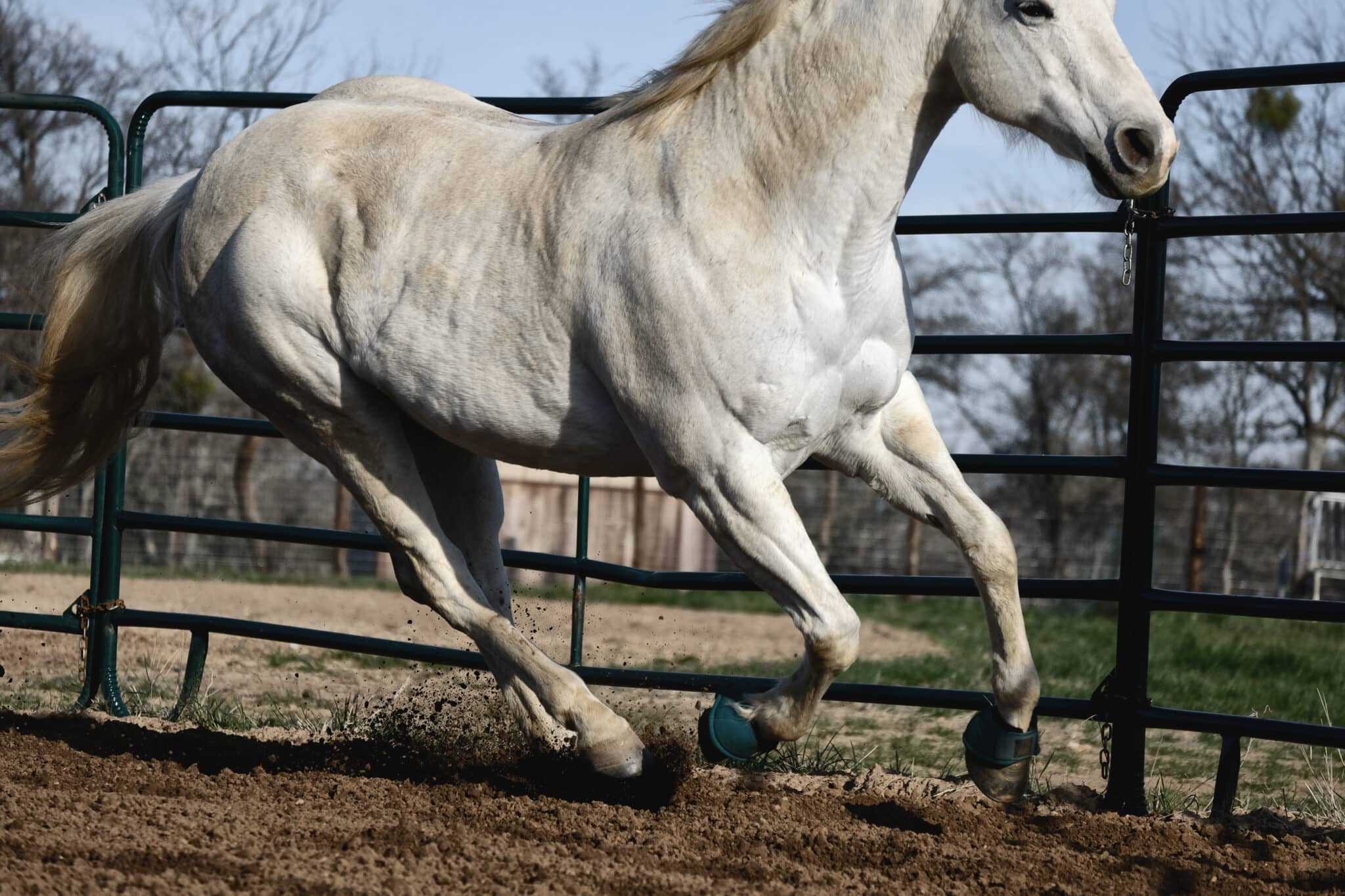
Training introduces different movements, speeds, and footing conditions that may increase the possibility of a horse interfering with its own feet.
The best bell boots for horses should provide appropriate coverage without interfering with natural movement. Horses involved in jumping, schooling, or other athletic activities may benefit from wearing them during exercise.
Always check the fit before and after riding to make sure the boots remain properly positioned.
4. Bell Boots Can Be Useful During Turnout
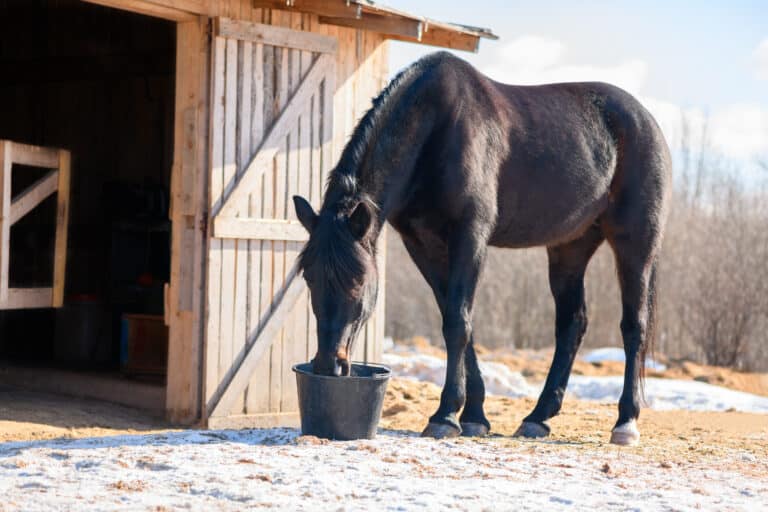
Some horses overreach while playing, running, or changing direction in a pasture or paddock. Bell boots for horses may therefore be useful outside structured riding sessions.
Turnout conditions should always be considered individually. Boots need to fit securely and should be inspected regularly for damage, trapped dirt, or rubbing.
If your horse wears horse bell boots for extended periods, remove them regularly so you can inspect and clean the hoof and surrounding area.
5. They May Help During Fall Trail Riding
September and early fall offer some of the best trail riding weather in New Hampshire and throughout New England. However, changing weather can also mean changing footing. Rocks, roots, mud, and uneven terrain can make hoof protection an important consideration. Bell boots for horses can provide additional protection against overreaching during trail rides.
Before heading out, evaluate your horse’s hoof protection based on terrain, shoeing, and individual needs.
6. Bell Boots Add Another Layer of Hoof Protection
Ultimately, bell boots for horses are designed to protect a vulnerable part of the horse’s hoof.
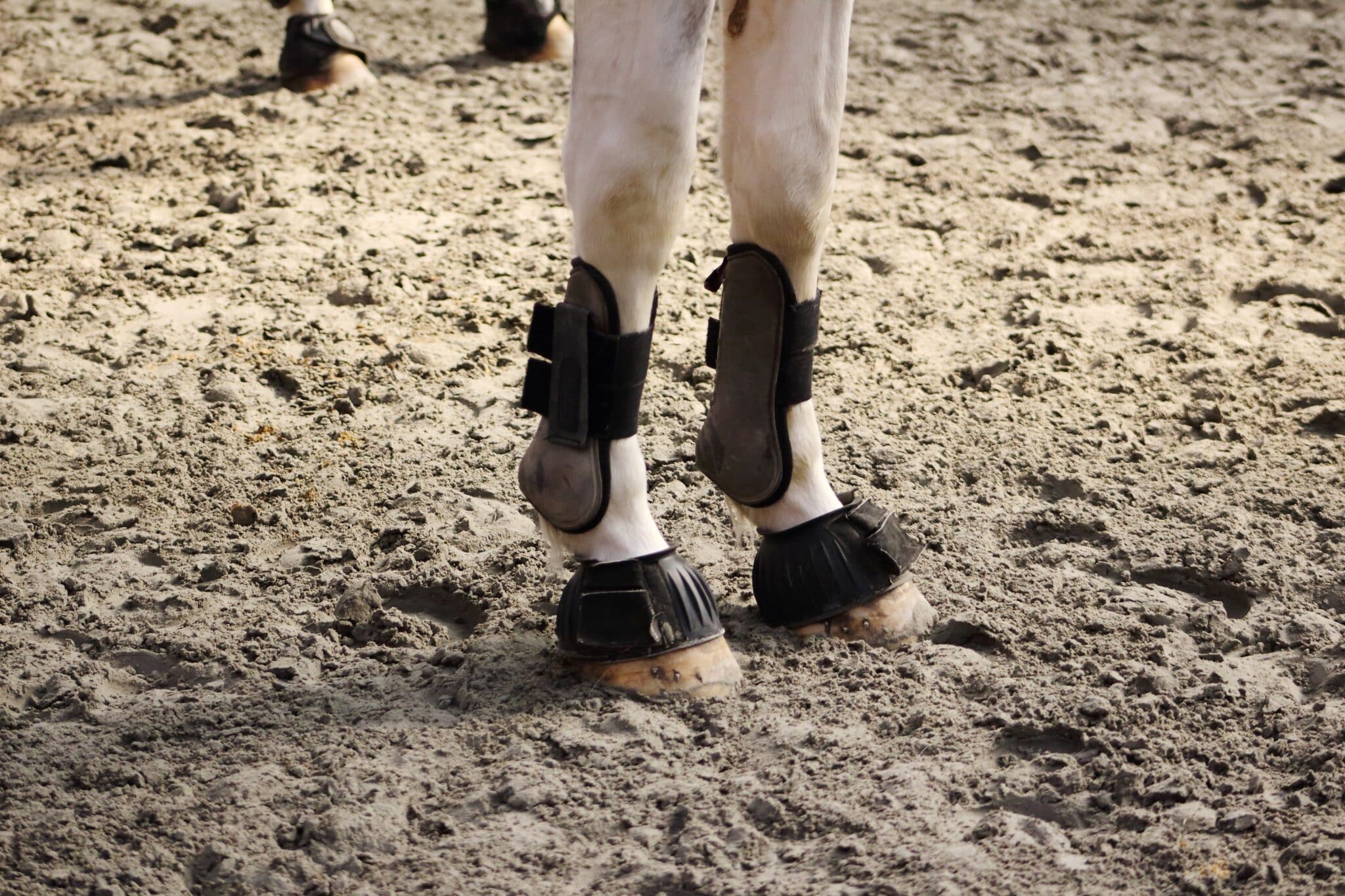
They can be especially useful for horses with a history of overreaching, pulled shoes, or heel injuries. Some owners also combine overreach boots for horses with other protective equipment depending on the activity. Remember that horse hoof boots and bell boots serve different purposes. Hoof boots generally protect the bottom and outer structure of the hoof, while bell boots primarily protect the heel and coronary band from interference.
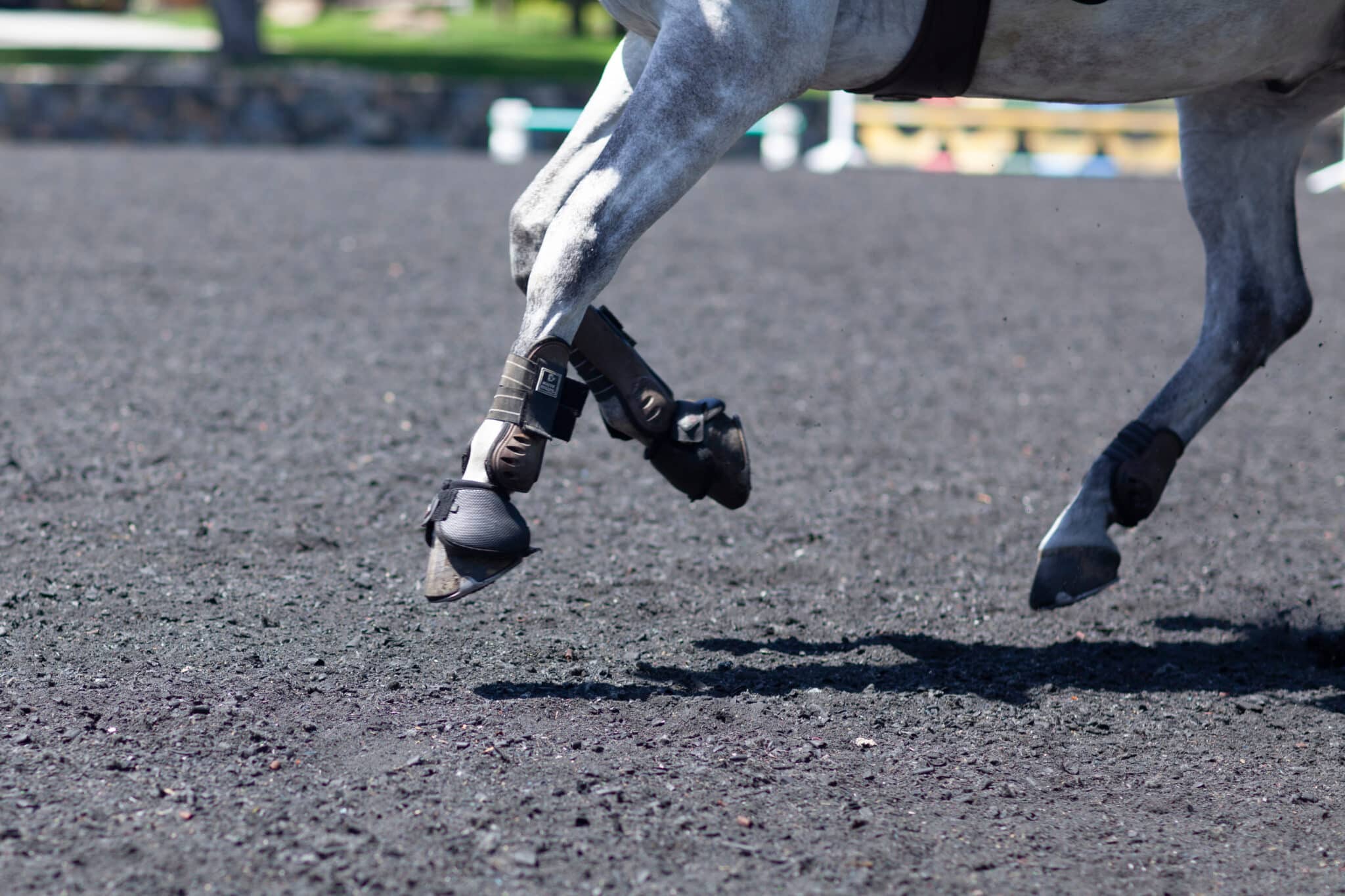
How to Choose the Best Bell Boots for Horses
When shopping for the best bell boots for horses, consider material, durability, closure design, intended use, and fit.
The boot should cover the heel without being excessively long or restrictive. It should remain secure during movement without rubbing the horse’s pastern.
Different horses may require different designs, so monitor how your horse moves while wearing a new pair.
Find Horse Bell Boots at The Trainer’s Loft
At The Trainer’s Loft, we offer horse bell boots, hoof care products, tack, grooming supplies, and other equipment to help protect horses during training, turnout, and everyday riding. Whether you are preparing for a fall trail ride or looking for additional protection for a horse that frequently overreaches, quality equipment can help you create a safer set up.
Frequently Asked Questions About Bell Boots for Horses
What are bell boots for horses used for?
Bell boots primarily protect the heels and coronary band from overreaching and may also help prevent horses from pulling up their front shoes.
Can horses wear bell boots during turnout?
Yes, some horses wear bell boots during turnout, particularly if they frequently overreach or pull shoes. Proper fit and regular inspection are important.
Are bell boots and horse hoof boots the same?
No. Horse hoof boots typically protect the hoof itself and may be used as an alternative or supplement to shoeing. Bell boots protect the heel and coronary band from interference.
How do I know if my horse needs bell boots?
Repeated pulled shoes, overreaching, or injuries around the heel may indicate that additional protection is worth considering. Your farrier or veterinarian can also help determine whether bell boots are appropriate.
Protect Your Horse Through Every Season
From everyday turnout to fall trail rides, bell boots for horses offer a simple way to provide additional protection against overreaching and pulled shoes. Choosing the right fit, inspecting the boots regularly, and considering your horse’s individual movement and activities can help you determine whether bell boots belong in your horse care routine.