Horse Clippers: How to Achieve a Safe and Smooth Clip
As temperatures drop across New Hampshire and New England, horses begin developing thicker winter coats that provide natural insulation against colder weather. While these coats are essential for warmth, they can also create challenges for horses that remain active throughout the winter. Thick coats can trap sweat during exercise, making it difficult for horses to dry quickly after riding or training.
For horses with demanding workloads, horse clippers can be an important part of winter grooming and management. Clipping removes some or all of the winter coat, helping horses dry more efficiently while making regular grooming easier.
However, successful winter horse clipping goes beyond simply removing hair. It’s also important to choose the right equipment, understand different clipping styles, and adjust your horse’s winter care routine.
Whether you are brand new to clipping or just looking to improve on your technique, this guide explains how to choose horse clippers, prepare your horse, and maintain your equipment during the colder months.
Why Do Horse Owners Clip Their Horses in Winter?
Horses naturally develop thicker coats as daylight hours decrease. These coats trap air close to the skin, providing insulation against cold temperatures.
But horses that continue regular exercise during winter may sweat heavily beneath their thick winter coats. This moisture can take considerable time to dry, especially in cold or humid conditions.
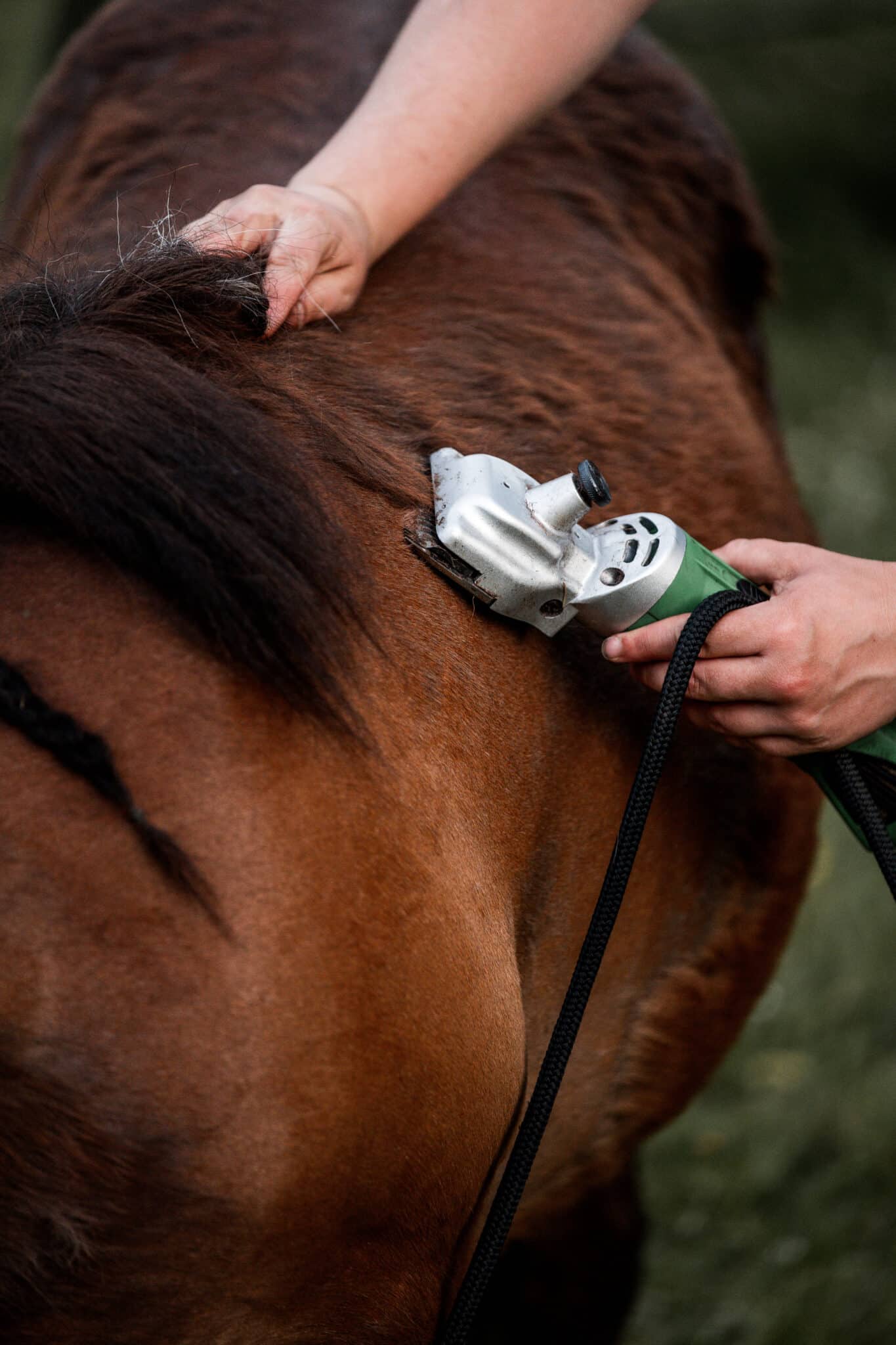
Using horse clippers to remove excess hair from areas prone to sweating can make post-exercise care more manageable.
Common reasons for winter horse clipping include:
- Helping horses dry more quickly after exercise
- Reducing excessive sweat accumulation during training
- Making grooming and coat maintenance easier to manage
- Improving comfort for horses with demanding workloads
- Maintaining a neat appearance for winter competitions
Not every horse needs clipping. Horses with lighter workloads or those spending most of their time outdoors may benefit from keeping their natural winter coats.
1. Understand Horse Body Clipping and Partial Clips
Before selecting horse clippers, determine which clipping style is appropriate for your horse’s workload, environment, and management needs.
Full Horse Body Clipping
A full body clip removes nearly all of the horse’s winter coat, including hair from the body, neck, and often the legs.
This style is commonly used for horses involved in intensive training or competition, where excessive sweating can become a regular concern.
Because full clipping removes much of the horse’s natural insulation, these horses generally require more careful blanketing and shelter management.
Trace Clips and Partial Clipping
A trace clip removes hair primarily from areas where horses tend to sweat, including portions of the neck, chest, belly, and lower body.
Partial clips preserve more of the winter coat, making them popular for horses with light to moderate workloads.
Other options include Irish clips, blanket clips, and variations of the trace clip. For New England horse owners managing fluctuating temperatures, partial clipping can offer a practical balance between reducing sweat buildup and retaining natural insulation.
2. Choose the Best Horse Clippers for Your Needs
Finding the best horse clippers depends on your horse’s coat thickness, the type of clipping you plan to do, and how frequently you’ll use the equipment.
Heavy-Duty Horse Clippers
Heavy-duty models typically feature powerful motors designed to handle dense winter coats and extended clipping sessions.
These are often the preferred choice for full horse body clipping, especially when working with multiple horses.
Look for equipment with comfortable grips, reliable blade systems, and sufficient power for thick coats.
Cordless Horse Clippers
Cordless horse clippers provide greater freedom of movement without the limitations of an electrical cord.
They can be particularly convenient when working around the shoulders, legs, and other areas, requiring careful positioning. When comparing cordless models, consider battery life, charging time, motor strength, and replacement battery availability.
Smaller Clippers and Trimmers
Compact clippers and trimmers are useful for detailed work around sensitive areas, including the face.
Some horses are more comfortable with quieter equipment that produces less vibration.
Regardless of the model, prioritize equipment designed specifically for equine grooming.
3. Select the Right Horse Clipping Blades
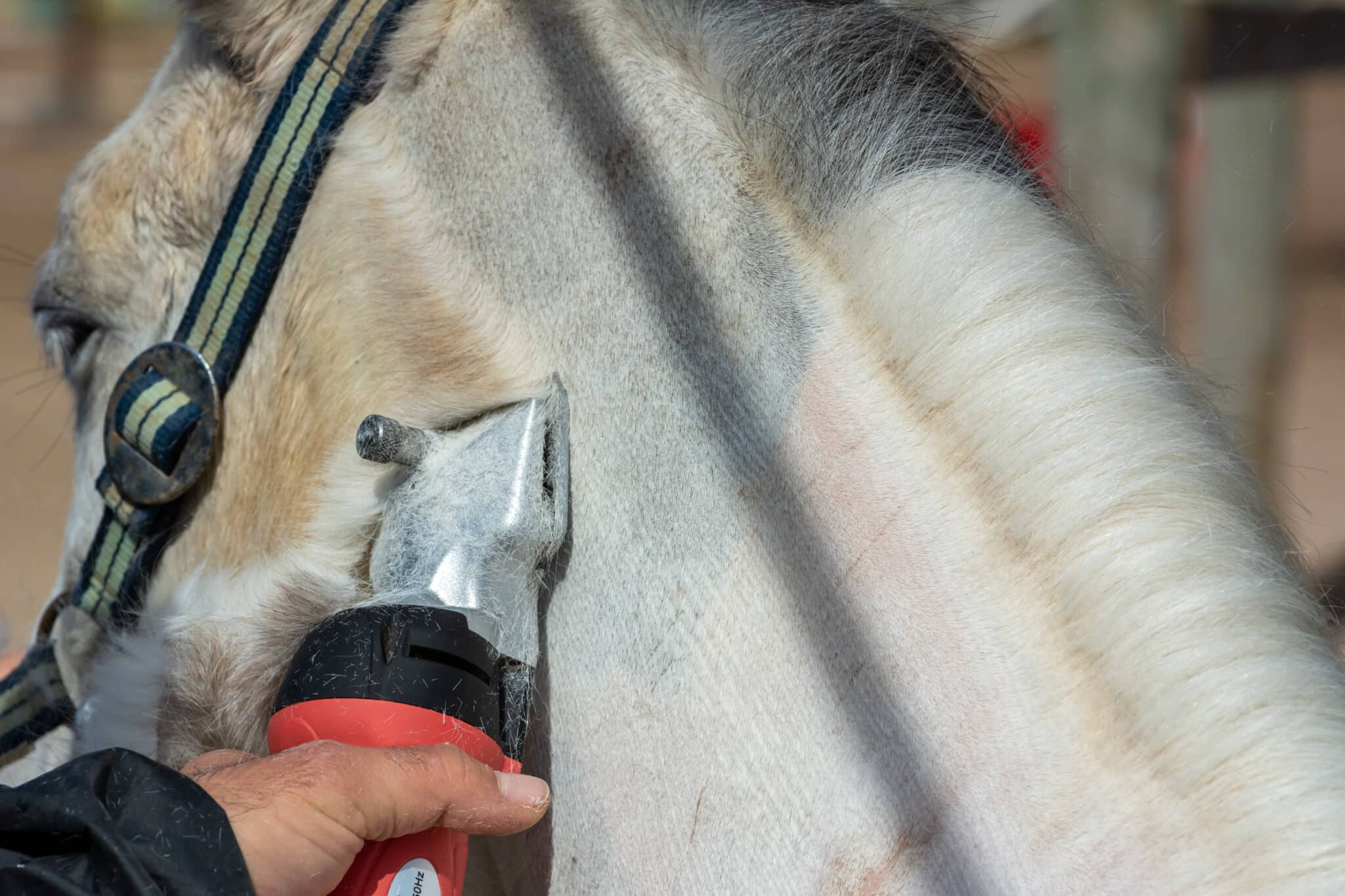
Choosing appropriate horse clipping blades is essential for achieving an even, comfortable clip.
Different blades leave different lengths of hair, making blade selection an important part of winter coat management.
Standard body-clipping blades are designed to remove substantial coat length, while certain alternatives leave more hair behind.
Before clipping, check that your blades are:
- Compatible with your clipper model
- Sharp and free from damage
- Clean and properly lubricated
- Appropriate for your horse’s coat
- Correctly installed and adjusted
Dull or poorly maintained blades can pull hair, produce uneven results, and increase friction.
When purchasing horse clippers, consider the availability and cost of replacement blades, as well as whether professional blade sharpening services are accessible.
4. Prepare Your Horse Before Clipping
Proper preparation helps horse clippers work efficiently and reduces unnecessary wear on the blades.
Dirt, dried sweat, and excess coat oils can interfere with clipping and contribute to uneven results.
Proper preparation also includes training your horse to accept the clippers, and to stand quietly during clipping.
Clean and Dry the Coat
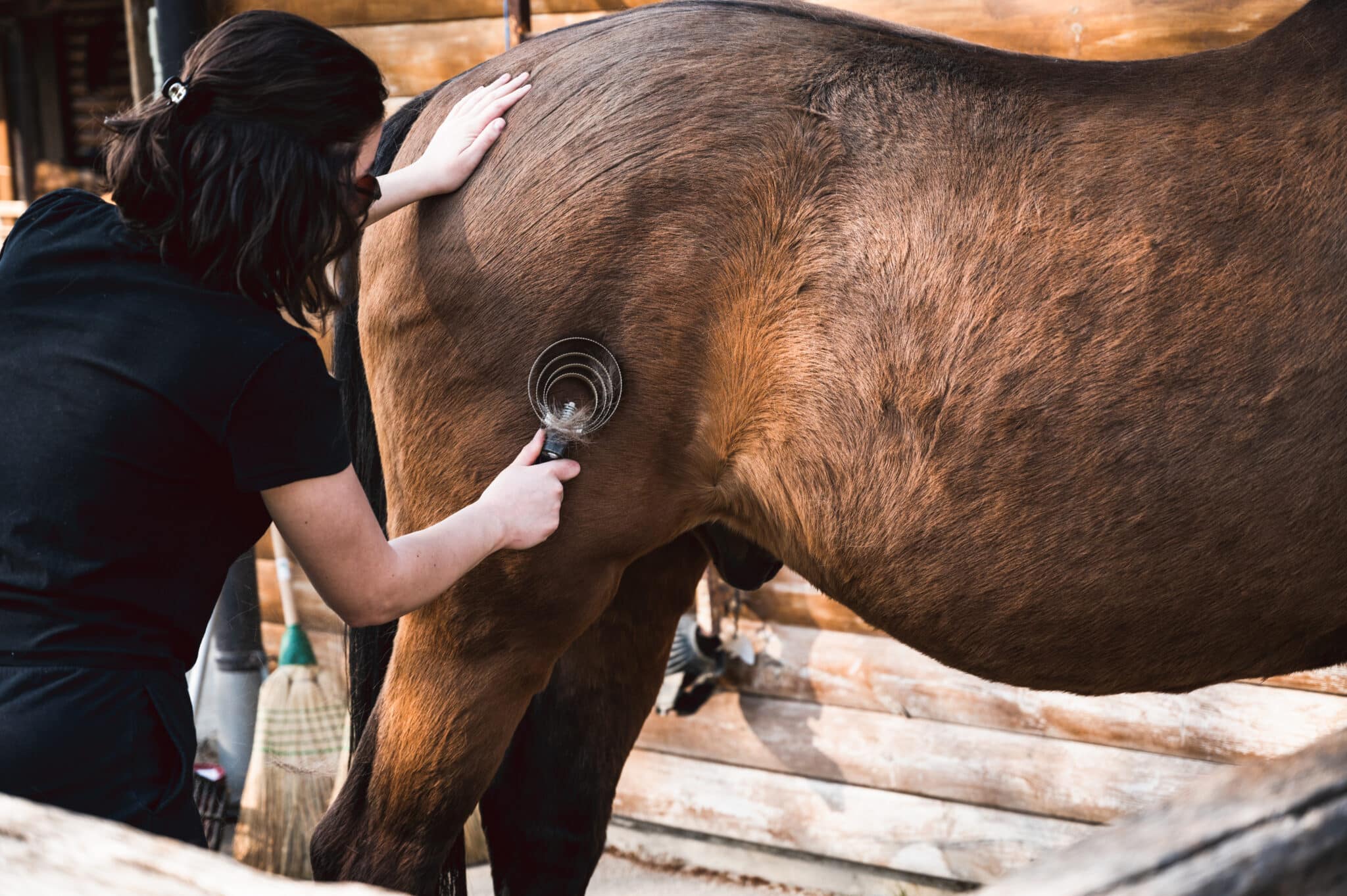
Thoroughly groom your horse to remove loose hair, dirt, and debris.
Bathing before clipping can help produce a smoother finish when weather and facilities allow. However, the coat must be completely dry before using electrical clipping equipment.
Introduce the Clippers Gradually
Some horses are sensitive to the sound or vibration of clippers.
Before beginning, allow your horse to become familiar with the equipment while it is switched off. Gradually introduce the sound and vibration from a safe distance.
Choose a quiet, well-lit location with secure footing and enough space to work comfortably.
For nervous horses, several short familiarization sessions may be more productive than attempting a full clip immediately.
5. Use Safe Winter Horse Clipping Techniques
Clipping should be a patient, controlled process that prioritizes your horse’s comfort.
Begin in an area where your horse is relaxed, such as the shoulder or neck.
Move the horse clippers against the direction of hair growth using smooth, overlapping strokes. Keep the blades positioned appropriately against the coat without applying excessive pressure.
Pay particular attention to sensitive areas and places where the skin folds.
During longer clipping sessions, regularly check blade temperature. Friction can cause blades to become hot enough to irritate or burn the skin.
Take breaks to clean, lubricate, and cool the equipment according to the manufacturer’s instructions.
If your horse becomes anxious or difficult to handle, stop rather than forcing the process. An experienced clipping professional may be the safest option for particularly sensitive horses.
6. Maintain Horse Clippers and Blades Properly
Regular maintenance helps extend equipment life and ensures more consistent clipping results.
After each use, remove accumulated hair from the clipper body and blades.
Follow the manufacturer’s instructions for cleaning, disinfecting, lubricating, and storing your equipment.
Important maintenance practices include:
- Cleaning blades after each clipping session
- Applying appropriate clipper oil
- Checking for worn or damaged components
- Sharpening or replacing dull blades
- Inspecting electrical cords and batteries
- Storing equipment in a clean, dry location
Properly maintained horse clippers are less likely to pull hair, overheat, or produce uneven clipping results.
For owners who clip several horses throughout winter, keeping spare blades available can help prevent interruptions.
7. Adjust Blanketing After Winter Horse Clipping
One of the most important considerations after clipping is how removing hair affects your horse’s natural insulation.
A thick winter coat helps trap warm air near the skin. Removing that coat reduces the horse’s ability to retain heat naturally.
As a result, clipped horses may require additional protection from cold temperatures, wind, and precipitation.
A fully clipped horse will generally need more protection than one with a low trace clip that retains most of its winter coat.
When evaluating blanketing needs, consider:
- How much hair was removed
- Current and forecasted temperatures
- Wind, rain, and snow exposure
- Access to shelter
- Your horse’s age, health, and body condition
- Whether your horse lives indoors or outdoors
Avoid assuming that every clipped horse requires the same blanket weight. Individual needs can vary considerably.
For more information, read our related blog, Winter Horse Blanket Guide: When Should You Blanket Your Horse?, which explores temperature considerations, clipped versus unclipped horses, blanket weights, and avoiding over-blanketing.
Find Horse Clippers and Grooming Supplies at The Trainer’s Loft
Preparing for winter grooming starts with having the right tools and dependable equestrian supplies.
At The Trainer’s Loft, we help New Hampshire and New England horse owners find practical equipment for everyday horse care. Our shop offers a changing selection of new and consignment tack, grooming supplies, riding apparel, and other barn necessities.
Whether you are shopping for horse clippers, grooming tools, blankets, or other seasonal supplies, The Trainer’s Loft is a convenient place to explore products for your horse care routine.
Stop by to browse our current inventory and find useful equipment for the months ahead.
Frequently Asked Questions About Horse Clippers
What are the best horse clippers for thick winter coats?
The best horse clippers for thick winter coats generally feature powerful motors, durable construction, and blades designed for equine body clipping. Heavy-duty models are often better suited for full clips, while smaller clippers may be appropriate for touch-ups and detailed work.
What is the difference between a full body clip and a trace clip?
A full body clip removes nearly all the horse’s winter coat, while a trace clip removes hair primarily from areas prone to sweating. Trace clips preserve more natural insulation and are often suitable for horses with lighter workloads.
How often should horses be clipped during winter?
Clipping frequency depends on coat regrowth, workload, and individual needs. Some horses may require additional clipping every several weeks during active winter coat growth, while others need only one or two sessions.
Are cordless horse clippers powerful enough for body clipping?
Some cordless horse clippers are designed for full body clipping, while others are better suited for trimming and smaller areas. Compare motor specifications, battery life, and manufacturer recommendations before purchasing.
How do I prevent horse clipping blades from overheating?
Clean and lubricate blades according to the manufacturer’s instructions, remove accumulated hair, and check blade temperature frequently. Stop clipping when blades become too warm and allow them to cool before continuing.
Do horses need blankets after being clipped?
Clipped horses often require additional protection because removing hair reduces their natural insulation. Blanketing needs depend on clipping style, weather conditions, shelter access, and the individual horse.
Can I use human hair clippers on my horse?
Human hair clippers are generally not designed to handle thick equine winter coats. Horse clippers are built for the density and texture of horse hair and are typically more appropriate for body clipping.
Make Winter Horse Grooming More Manageable
Winter clipping can be a useful part of caring for active horses throughout New Hampshire and New England.
By choosing reliable horse clippers, selecting an appropriate clipping style, preparing the coat, and maintaining your equipment, you can make the process safer and more efficient.
Remember that clipping should always be considered alongside your horse’s workload, living conditions, and overall winter management needs. With the right equipment and thoughtful care, you can help your horse remain comfortable throughout the winter months.